
The Story
Why it exists.
The beginning
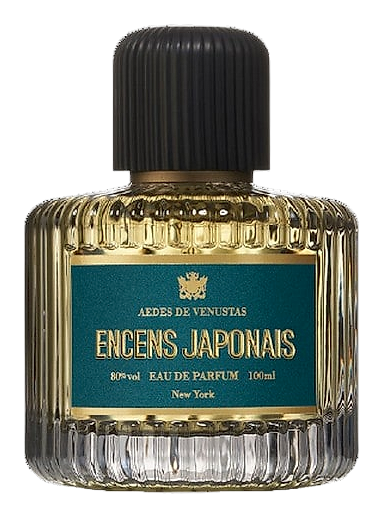
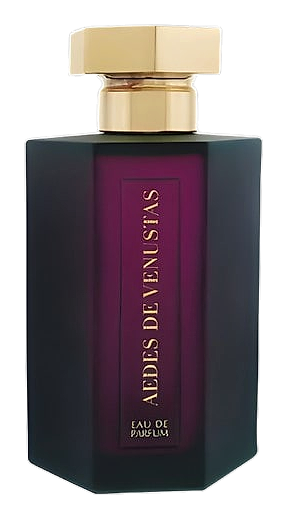
Aedes de Venustas started as a boutique, not a fragrance. Karl Bradl and Robert Gerstner opened it in 1995 on Christopher Street in Greenwich Village, a space dedicated to the kind of niche houses that never reached department stores. The boutique built its own room fragrances and candles, scents customers came back for, asked about, tried to take home. These were blends that smelled like the space felt: warm woods, candlelit amber, a green note that suggested the neighborhood's maples. The formulas carried the same character, elevated for skin, translating the boutique's atmosphere into something you could wear.
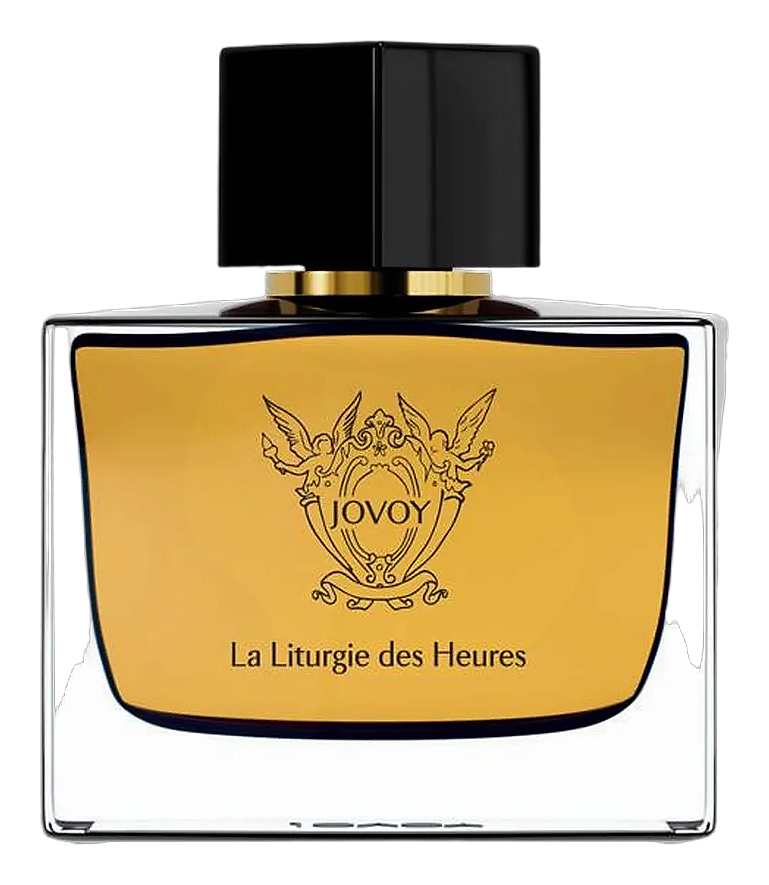
Duchaufour built the structure around smoke and sweetness. Opoponax and benzoin give it that warm, resinous lift, the kind that makes you lean closer. The frankincense runs through the whole arc, never disappearing, just deepening. Coffee and leather anchor the drydown, pulling everything toward something rich and almost edible. The iris keeps the smoke from getting heavy, adding a powdery coolness that gives the composition its unexpected elegance. This isn't incense for incense's sake, it's incense with a plan.
The evolution
The opening hits fast. Pink pepper and orange give it an immediate brightness, a brief citrus crack before the smoke takes over. Within ten minutes, the incense arrives and doesn't ask permission. It builds for the first hour, frankincense pushing through, rose and iris taking quieter positions in the background. The pepper spices stay present but start receding. By hour two, the composition shifts: patchouli and benzoin move forward, coffee materializes, leather and opoponax settle deep. The drydown is warm and close, you smell it, the people beside you only catch it when you're close. Six to eight hours on most skin. On fabric, longer. The kind of fragrance that leaves a trace the next morning, faint and persistent.
Cultural impact
Aedes de Venustas has become something of a cult fragrance, the kind people seek out specifically because it isn't everywhere. Its dark, resinous character and the way it lingers on skin make it unmistakable once you've encountered it. It's the fragrance people describe when they want to explain what 'niche' actually means, not a brand statement, but a specific smell with a specific history, worn by people who had to find it rather than being told about it. Those who wear it talk about discovering it through a friend, a boutique visit, a recommendation that felt like a secret passed along.