
The Story
Why it exists.
The beginning
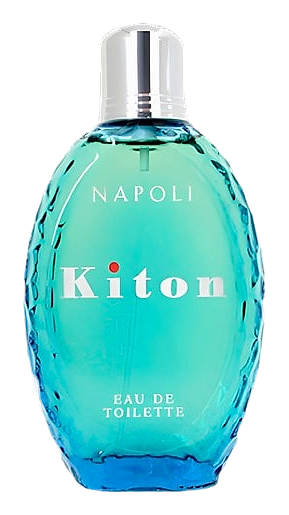
Nejla Barbir designed Napoli in 1998 to create a fragrance that could belong to the city without becoming a caricature of it. The brief was specific: translate the particular confidence of a city into scent. The composition reflects that intention. Citrus and fruit in the opening give it immediate brightness, a morning quality that arrives without ceremony. The heart keeps the composition soft and human, the florals present but never dominant. The base grounds it in cedar and vetiver, materials that speak to the land rather than the water, anchoring the brightness that comes before. The result is a masculine scent that feels specific to its place and era, confident in its own identity. It doesn't announce itself. It simply is, which is perhaps its most convincing quality.
The note structure is what makes Napoli interesting. Four citruses in the top, orange, apple, grapefruit, bergamot, arriving together and then shifting. The apple adds a fruitiness that keeps the citrus from reading as sharp or cologne-adjacent. It's the difference between a composition that's efficient and one that's generous, and this one leans toward generosity. The heart, jasmine, lily of the valley, rose, is surprisingly soft for a masculine release from this era. These aren't florals that announce themselves.
The evolution
The opening is citrus and fruit, bergamot, apple, orange, arriving together in a bright, immediate wave. There's no hesitation here. The grapefruit adds a slight tartness that keeps the sweetness of the apple honest, so the fruit never becomes precious. This phase holds its own before the florals arrive, giving each note room to breathe without rushing the transition. The heart is quieter than the opening suggests. Jasmine and lily of the valley soften the composition without making it delicate. The rose is subtle, present as a whisper rather than a statement. This is the diplomatic phase of the fragrance, where the citrus hands off to something warmer. The base arrives next, and cedar becomes the primary note, joined by vetiver's earthy, aromatic quality. The vanilla and tonka bean add a dry sweetness that extends the drydown without making it dessert-like. The vetiver is the tell.
Cultural impact
Napoli arrived in 1998, a period when masculine fragrances were shifting away from the heavy chypres and orientals of the 1980s toward something cleaner and more refined. Rather than chasing the aquatics that dominated that era, this composition staked out different territory, citrus and fruit as a foundation, aromatic warmth as the finish. The approach was confident without being confrontational, qualities that have kept it in rotation for nearly three decades.