

Heritage
A house, in its own words
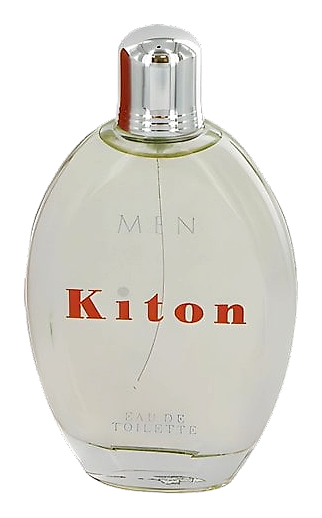
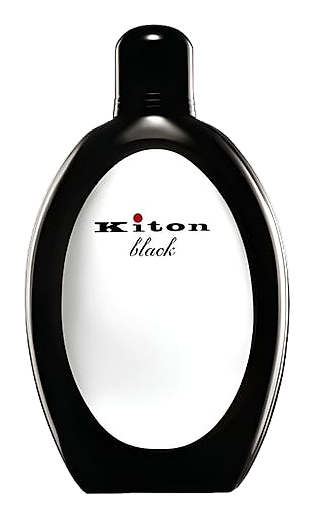
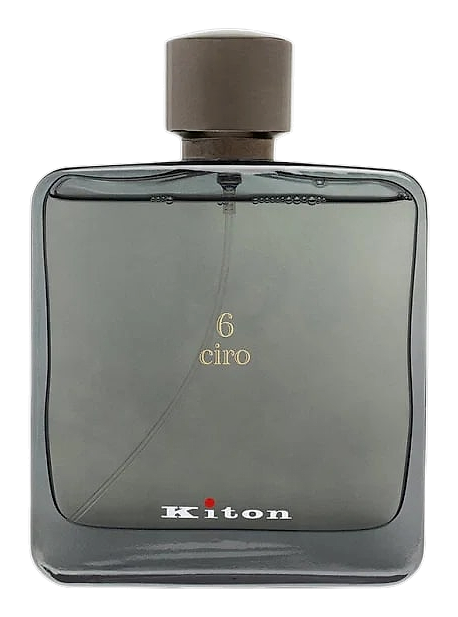
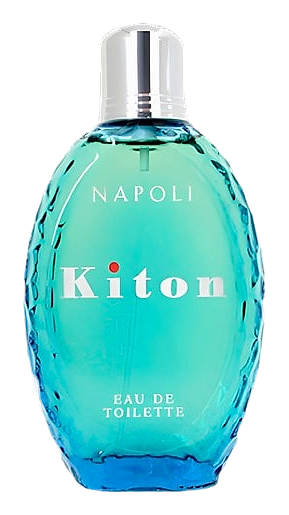
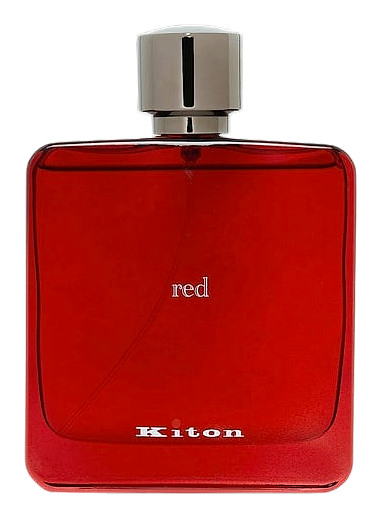
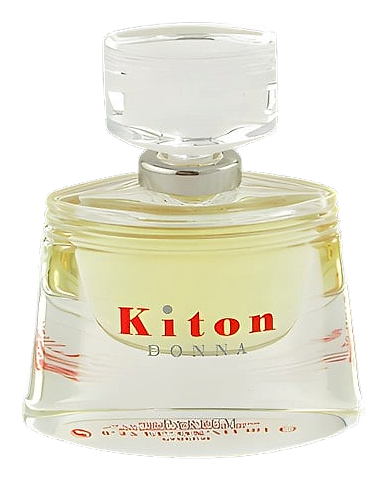
Kiton was established in 1968 in Naples, Italy by Ciro Paone, who remains a central figure in the brand's identity. The choice of the name chitone as the brand's foundation reflects an intentional connection to ancient Mediterranean dress, the draped garment worn during ceremonial occasions in classical Greece. This naming strategy signals the brand's embrace of a certain classical ideal of elegance and draped form. Naples has long maintained a distinctive tailoring tradition characterized by hand-stitching, relaxed shoulder construction, and careful attention to fabric behavior. Kiton became representative of this Neapolitan approach to menswear, producing suits that prioritized softness and natural movement over rigid structure. The brand expanded into fragrance during the 1990s, a period when many fashion houses were developing their first perfume lines as accessible extensions of their aesthetic universes. Kiton Men arrived in 1996, with Donna following in 1997. The fragrances appeared alongside the tailoring collections, functioning as olfactory companions to the clothing rather than standalone products. Over the following decades, the fragrance line continued to develop, with releases referencing the brand's Campanian environment. Vesuvio draws on the volcano looming over the Bay of Naples, while Riva Fiorita evokes the coastal gardens of the Sorrentine peninsula. Colonia Napoletana explicitly invokes the city's perfumery heritage. The approach to fragrance development has remained consistent with the tailoring philosophy, emphasizing construction, balance, and longevity in the compositions. The Kiton approach to fragrance reflects the same values that govern the tailoring operation. The house produces a relatively limited number of scents, released when compositions meet the established standard rather than according to seasonal commercial calendars. This measured approach allows each fragrance to develop fully before introduction. The brand has described recent releases like Sibylla and Pausilya as inspired by worlds rich in history, myth, and suggestions, indicating a preference for narrative depth in the creative process. Rather than chasing trend-driven fragrance directions, Kiton appears to prioritize materials and accords that align with the house's broader understanding of craftsmanship. The tailoring background shapes this perspective. A Kiton suit requires multiple fittings, careful fabric selection, and skilled hand work over an extended period. The fragrance line follows a comparable logic, with compositions developed to serve as signatures rather than seasonal novelties. The house seems to regard scent as a form of invisible tailoring, something that shapes the wearer's presence without necessarily announcing itself. This reflects the Neapolitan understanding of elegance as something present but not necessarily conspicuous, appropriate for occasions without being theatrical.
