The Story
Why it exists.
The beginning
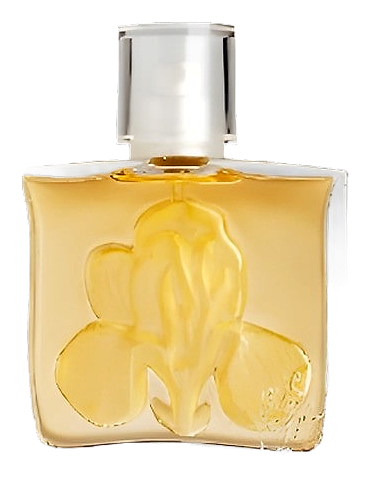
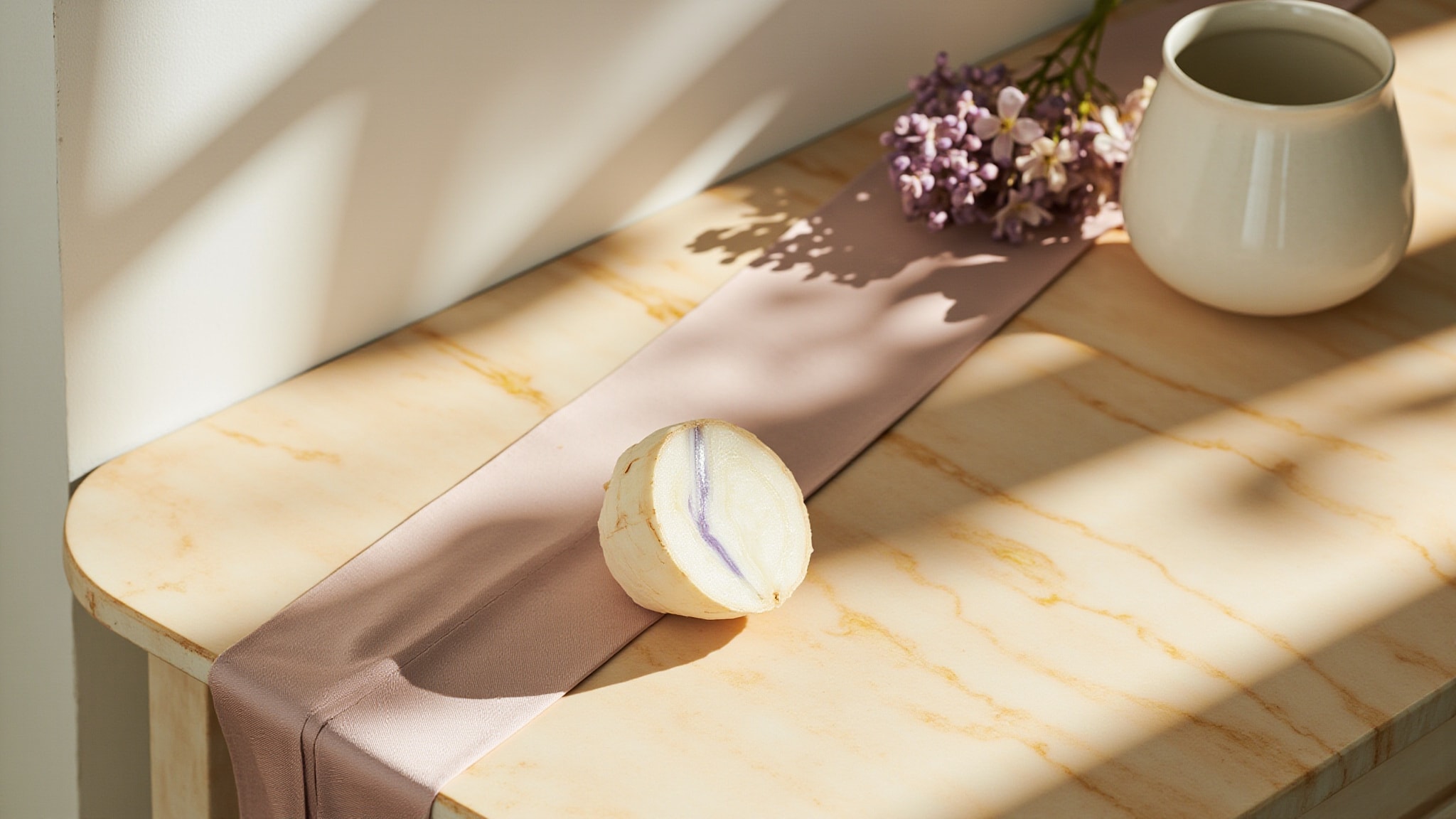
Iris in Love centers on iris, that famously temperamental root turned into powder, placed inside a bouquet of supporting flowers: violet, lilac, May rose, magnolia, and lily of the valley, all resting on a base of vetiver, cedar, ambrette, and musk. The composition speaks a fluent classical language, with iris and violet doing most of the talking while the rose and magnolia add body and a quiet, creamy fullness underneath. The marketing is handled by Groupe Rocher, which gives it wider distribution than a typical small independent release might receive. Release year remains undocumented in available records, though the formula itself feels rooted in a tradition of powdery, violet-tinged compositions that value restraint over showmanship.
Iris in Love leans hard into the powdery-violet family, an accord that carries distinct vintage connotations rather than modern fruity or gourmand leanings. The pairing of May rose and magnolia adds body without sweetness, while ambrette, a plant-derived musk mallow, gives the drydown a soft, almost human warmth that doesn't rely on synthetic white musk. This matters because iris can read cold, even mineral, if not anchored by something organic and alive. The cedar-vetiver base is doing real structural work here, keeping the florals from floating away into abstraction.
The evolution
The opening belongs to lily of the valley, which reads as a clean, slightly green sweetness, like cold air through an open window. Quickly, the iris moves in, cool and powdery, and the violet adds a candied-floral depth that softens everything without tipping into sugar. By the half-hour mark, the bouquet settles: lilac and May rose bloom underneath, magnolia rounds the edges, and the composition starts to feel less like individual flowers and more like one continuous breath. The transitions are gentle, almost seamless in their pacing, as if each note is content to wait its turn. After a couple of hours, the florals recede and the base takes over. Vetiver arrives with a green-woody snap, cedar adds dryness, and ambrette gives the musk a velvety, skin-like quality that feels lived-in rather than perfumey.
Cultural impact
Iris in Love reads as a scent that pulls toward powdery, violet-leaning territory, leaning deliberately into an old-school register rather than chasing current mainstream florals. It carries the particular gravity of an iris that doesn't shout, valuing restraint, nuance, and the kind of quiet confidence that comes from a well-built classical formula. Wearers tend to be those who appreciate the softer side of perfumery, who reach for vintage-style compositions and want something lighter, more wearable, and more forgiving for everyday use.