The Story
Why it exists.
The beginning
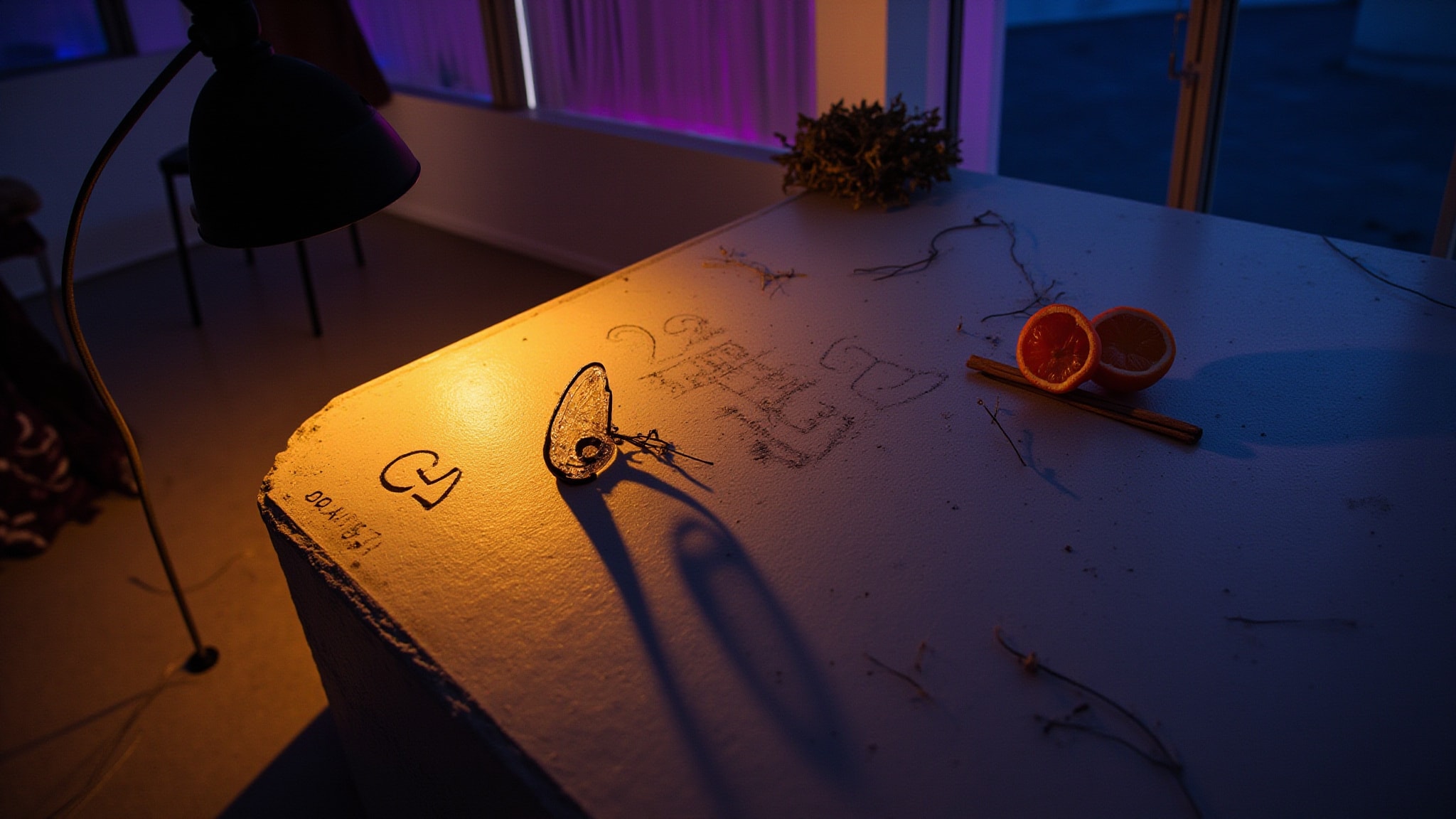
Hieroglyph arrived in 2024, composed by Matsuno Hidenori for Kilesa. Its name suggests an encoded message, and the composition carries one: a vivid fruit opening gives way to an imposing dialogue between cassia, cinnamon, rose, mint, and pine. Wine adds a dark, celebratory edge to grape and orange, while lemongrass keeps the opening clipped and energetic. The scent shifts in layers, moving from bright fruit and citrus into warm, resinous spice. As it settles, the sharper aromatic notes give way to honeyed sweetness, soft iris and mimosa, and the balsamic weight of myrrh. Brightness meets smoke, freshness meets depth, and the result feels dense yet precise, a fragrance built to unfold rather than announce itself all at once.
The unusual part is how convincingly cassia and cinnamon take charge. Alongside rose, peppermint, juniper berries, and pine needles, they create a sharp aromatic heart with real presence. The base brings honey sweetness, iris and mimosa softness, then myrrh's balsamic gravity. That combination makes the structure feel layered without becoming heavy: fruit and citrus introduce the idea, warm spice writes the central message, and resin gives it a lasting ceremonial seal.
The evolution
The first impression is quick and vivid. Grape and orange carry a ripe, wine-like sweetness, while lemongrass adds a clean green edge and peppermint keeps the whole thing from turning syrupy. This opening doesn't linger politely; it moves. The heart then takes over with cassia and cinnamon, joined by rose and juniper berries. Here, the fragrance becomes smoky, aromatic, and distinctly ritualistic without losing its fruitiness. Pine needles add a dry evergreen edge as the composition starts to settle. By the drydown, myrrh takes the lead. Honey keeps the base warm and edible, while iris and mimosa soften the resin with a powdery floral hush. Cassia and cinnamon remain the recognizable thread, carried on skin as the fragrance continues to develop. The final impression is sacred smoke over warm skin, sweet but never innocent, and quietly addictive in its own strange way.
Cultural impact
Hieroglyph approaches fragrance through its materials rather than decoration. Fruit, citrus, warm spice, resin, and powdery florals build a composition that rewards close attention, with each stage revealing something new as the scent settles. Grape and orange bring a ripe sweetness, cassia and cinnamon add aromatic heat, and myrrh lends a balsamic depth that stays close to the skin. It's a fragrance worth exploring note by note, and slowly, over the course of a wear.
The House
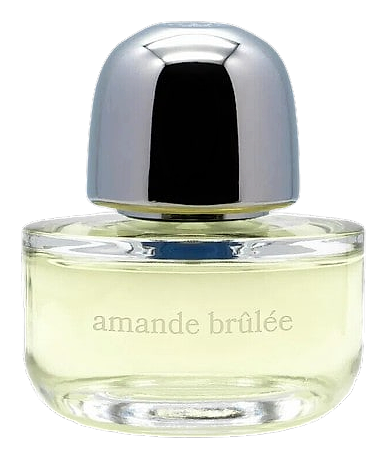
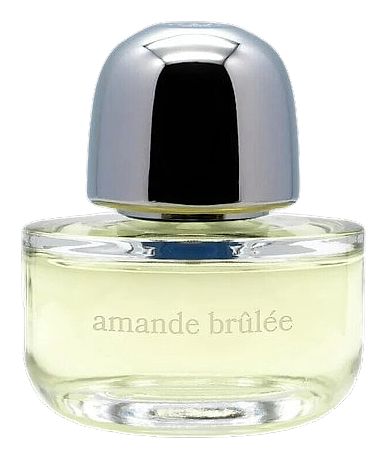
KilesaKilesa positions itself as a small‑scale, artist‑driven perfume house that emerged from Seoul’s burgeoning indie fragrance scene. Since its first launch, the brand has offered a catalogue that reads like a diary of contemporary moods, from the caramel‑kissed warmth of Amande Brûlée (2024) to the bright, citrus‑green spark of Joie de Vivre (2023). Each scent is presented in a restrained bottle that lets the perfume speak for itself, inviting collectors to explore a narrative rather than a brand promise. Kilesa’s releases have found homes in boutique perfumeries across Asia, Europe and North America, where they are praised for their compositional clarity and subtle storytelling.
The Creator
Matsuno HidenoriMatsuno's signature reads as clean and purposeful. He gravitates toward citrus openings that read clearly, often deploying orange, mandarin, or bergamot as anchoring notes that signal intention immediately.