
The Story
Why it exists.
The beginning
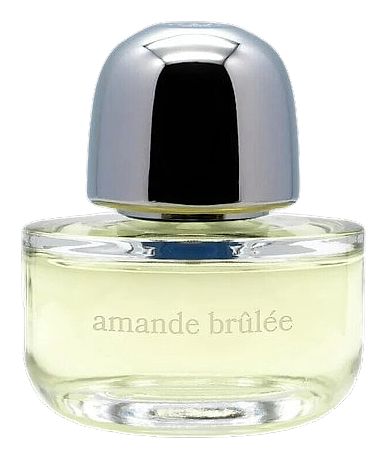
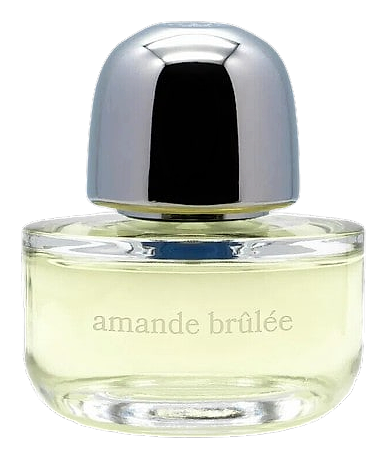
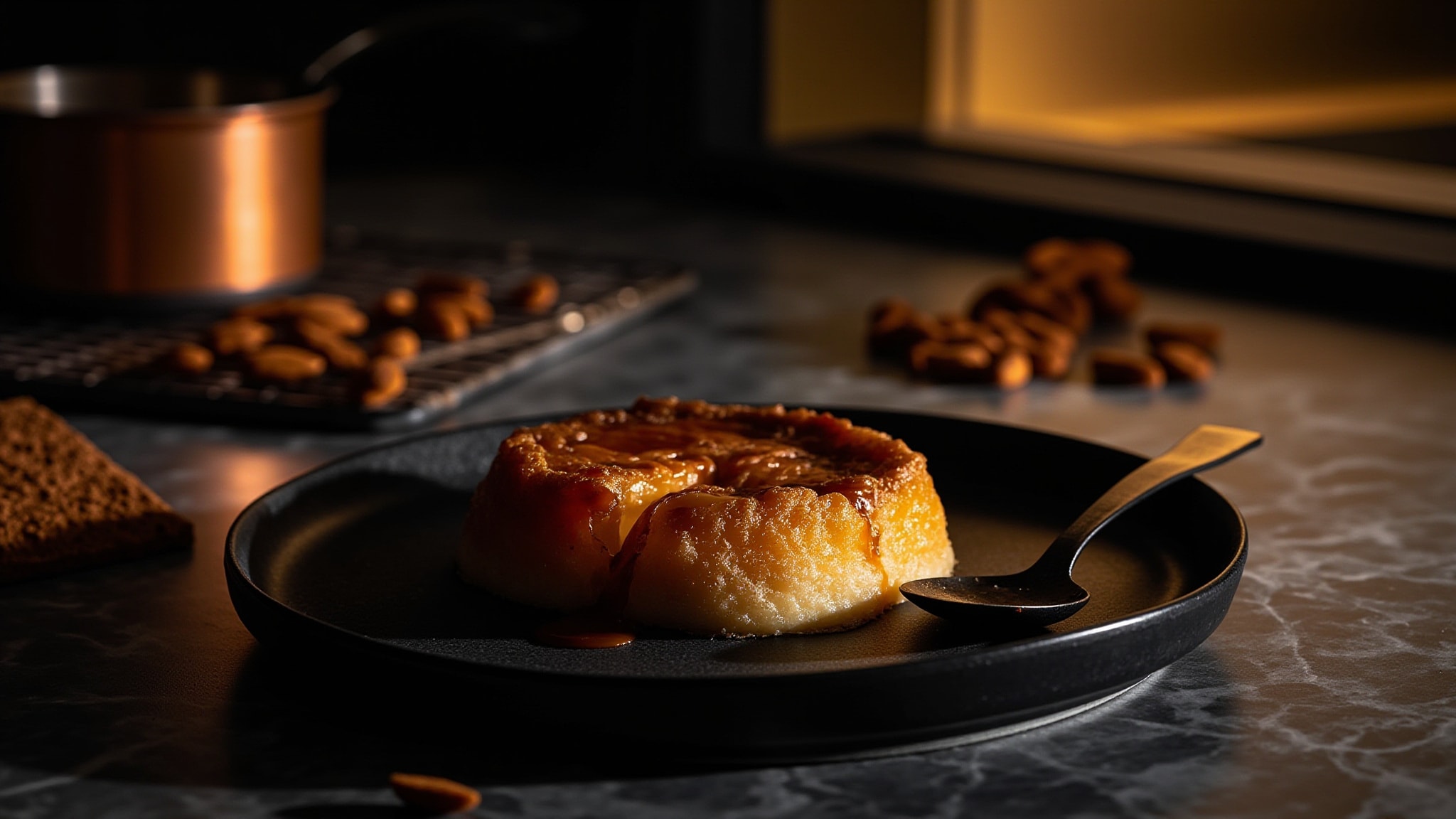
Amande Brûlée arrived in 2024 with fragrance notes by Matsuno Hidenori, who is identified as its perfumer. Almond and cocoa establish the brûlée idea immediately, while custard gives it a soft, spooned richness. Then yuzu and eucalyptus pull the composition away from pure sweetness. Freesia, neroli, rose, and saffron introduce a floral-spice middle, and vanilla, musk, and patchouli carry the warmth into a slower, more tactile finish. The result presents a new pastry variation: cocoa on the outside, citrus brightness at the center, warm skin underneath. Almond and cocoa lend the accord a rounded, dessert-like foundation, with their sweet roasted character balanced by the brighter citrus and green notes.
The unusual part is the tension inside the composition. Almond and cocoa sound dependable, almost familiar, but custard gives them a softly baked density. Yuzu adds brightness without turning the fragrance into a citrus scent, while eucalyptus lends a cool green edge. The heart introduces petals and saffron, keeping the sweetness from becoming flat. Patchouli then grounds it with a darker, earthy depth. Nothing here is a simple gourmand effect.
The evolution
The opening starts with a crisp contrast: roasted almond, cocoa, and custard meet the sharp lift of yuzu and eucalyptus. Warm pastry beside citrus peel captures the first impression, before the floral heart takes over. Freesia, neroli, rose, and saffron soften the composition without losing that edge, adding petals, spice, and a powdery glow. As the fragrance settles, cocoa returns with greater depth, joined by vanilla and patchouli while musk keeps the finish close to skin. The dessert impression remains throughout, but the composition is shaped by the changing balance of its notes: cocoa and custard establish the initial richness, yuzu and eucalyptus introduce contrast, and the floral and spice notes develop the middle. Vanilla, musk, and patchouli complete the warm, earthy foundation, giving the scent a layered and tactile character.
Cultural impact
Amande Brûlée demonstrates how a gourmand fragrance can draw on notes beyond sweetness alone. Almond, cocoa, and custard provide the dessert foundation, while yuzu and eucalyptus introduce brightness and a green counterpoint. Freesia, neroli, rose, and saffron expand the composition with floral and spice elements, and vanilla, musk, and patchouli deepen its warm character. The result is a layered exploration of familiar dessert notes presented through contrasting textures and aromas, inviting close attention to how each part shapes the whole.
The House
KilesaKilesa positions itself as a small‑scale, artist‑driven perfume house that emerged from Seoul’s burgeoning indie fragrance scene. Since its first launch, the brand has offered a catalogue that reads like a diary of contemporary moods, from the caramel‑kissed warmth of Amande Brûlée (2024) to the bright, citrus‑green spark of Joie de Vivre (2023). Each scent is presented in a restrained bottle that lets the perfume speak for itself, inviting collectors to explore a narrative rather than a brand promise. Kilesa’s releases have found homes in boutique perfumeries across Asia, Europe and North America, where they are praised for their compositional clarity and subtle storytelling.
The Creator
Matsuno HidenoriMatsuno's signature reads as clean and purposeful. He gravitates toward citrus openings that read clearly, often deploying orange, mandarin, or bergamot as anchoring notes that signal intention immediately.