
The Story
Why it exists.
The beginning
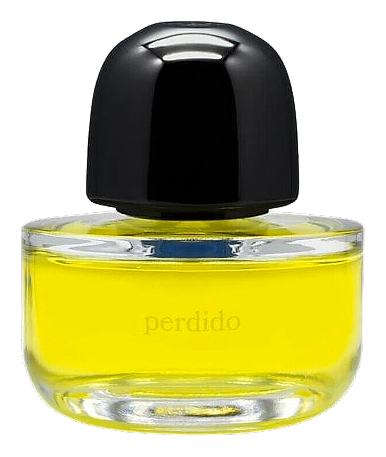
Perdido means lost. Or hidden. Depending on context, it shifts meaning the way a scent shifts on skin. Kilesa has built a small catalogue of fragrances that read like emotional snapshots, moments caught and bottled. Perdido continues that instinct. Released in 2024 from the Seoul-based house, it was composed by Matsuno Hidenori. The brief seems to have been simple: what does it feel like to arrive somewhere you didn't expect?
The note structure earns that question. Mandarin orange, orange, and petitgrain open bright and obvious, a clear path. Then star anise and bay leaf arrive like a detour sign you decide to follow anyway. The combination is unusual: anise carries a cool, slightly bitter quality that most compositions soften with sweetness. Here, it's held against citrus and rose, two warm, familiar materials, and the tension creates something neither could make alone. The heart adds neroli for depth and rose for breath. The base leans into benzoin and amber, materials that recall incense and resin without being heavy. Angelica root grounds it with an earthy, slightly bitter finish that echoes the star anise without repeating it.
The evolution
The opening announces itself quickly, mandarin and petitgrain burst with a clean, almost astringent brightness. It's not gentle. On some skin, it reads as sharp, almost medicinal; on others, it cools into something greener, more herbal. The bay leaf follows, adding a faint forest quality that tempers the citrus. This middle phase is where Perdido earns attention, or loses it. The anise keeps the rose from becoming predictable. The neroli keeps the citrus from completely disappearing. Musk appears in the final hour, soft and intimate. By the end, what remains is a quiet warmth, faint, skin-close, the kind that only someone leaning in would notice.
Cultural impact
Kilesa operates at the quieter end of niche perfumery, not trying to rival the more established Korean indie houses, not chasing viral moments. Perdido fits that pattern: a fragrance that asks something of its wearer rather than simply pleasing. The anise-forward structure puts it in conversation with absinthe-inspired compositions that have gained traction in niche circles over the past decade, though Perdido keeps its character more restrained than some of its peers.
The House
KilesaKilesa positions itself as a small‑scale, artist‑driven perfume house that emerged from Seoul’s burgeoning indie fragrance scene. Since its first launch, the brand has offered a catalogue that reads like a diary of contemporary moods, from the caramel‑kissed warmth of Amande Brûlée (2024) to the bright, citrus‑green spark of Joie de Vivre (2023). Each scent is presented in a restrained bottle that lets the perfume speak for itself, inviting collectors to explore a narrative rather than a brand promise. Kilesa’s releases have found homes in boutique perfumeries across Asia, Europe and North America, where they are praised for their compositional clarity and subtle storytelling.
The Creator
Matsuno HidenoriMatsuno's signature reads as clean and purposeful. He gravitates toward citrus openings that read clearly, often deploying orange, mandarin, or bergamot as anchoring notes that signal intention immediately.