Custard
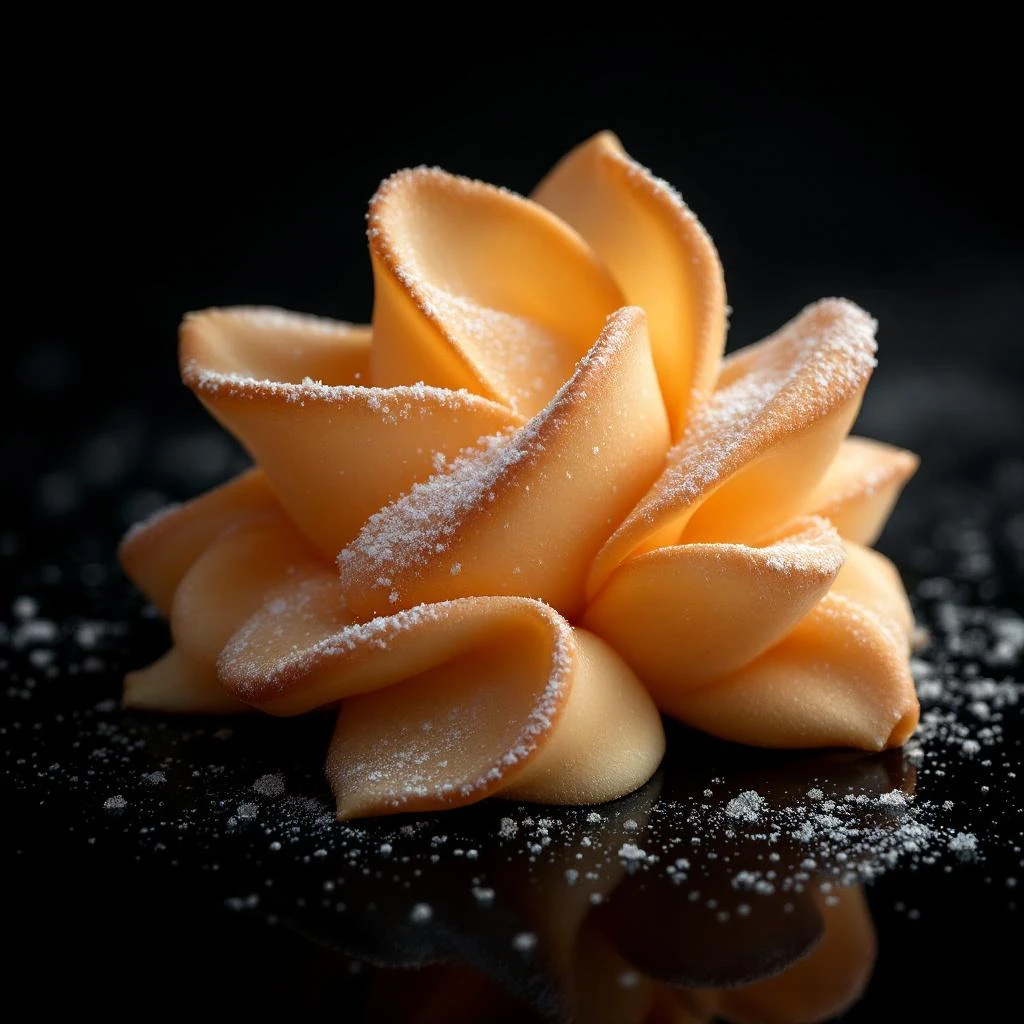
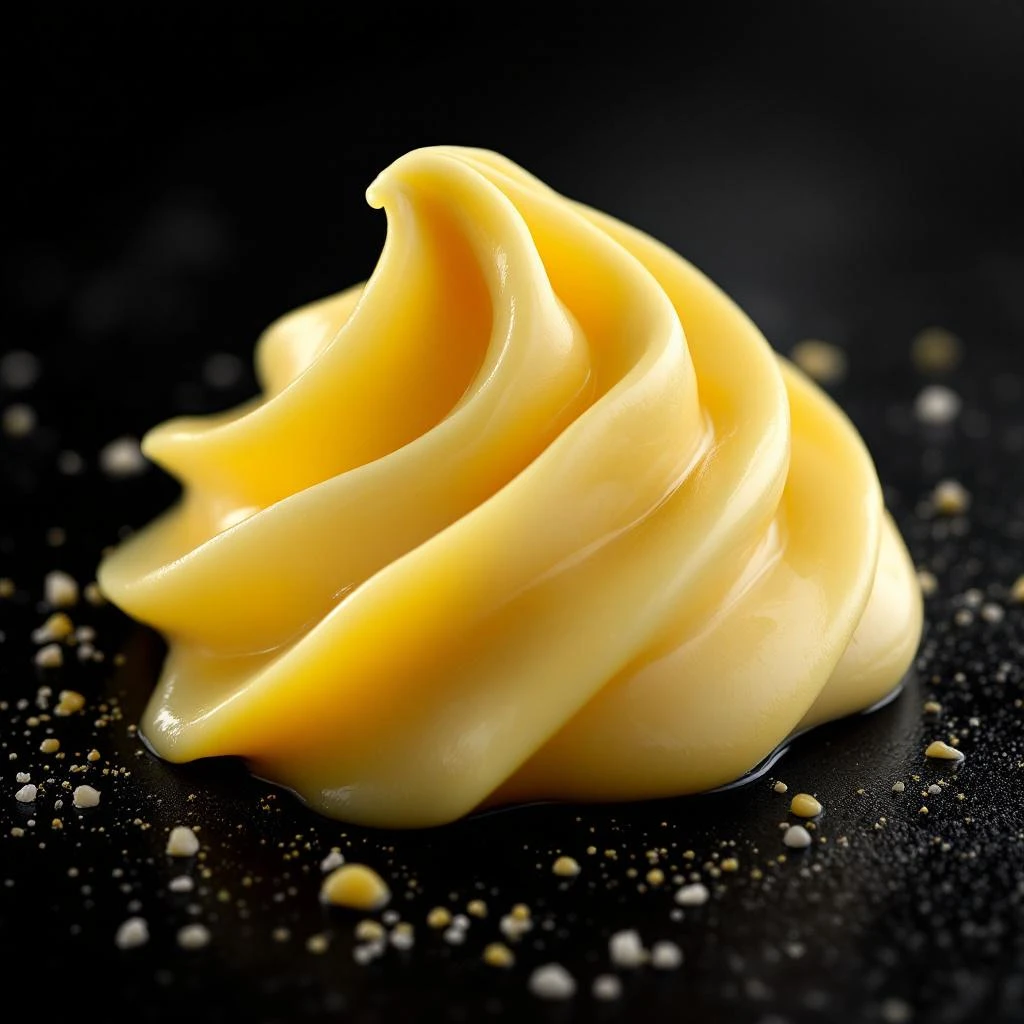
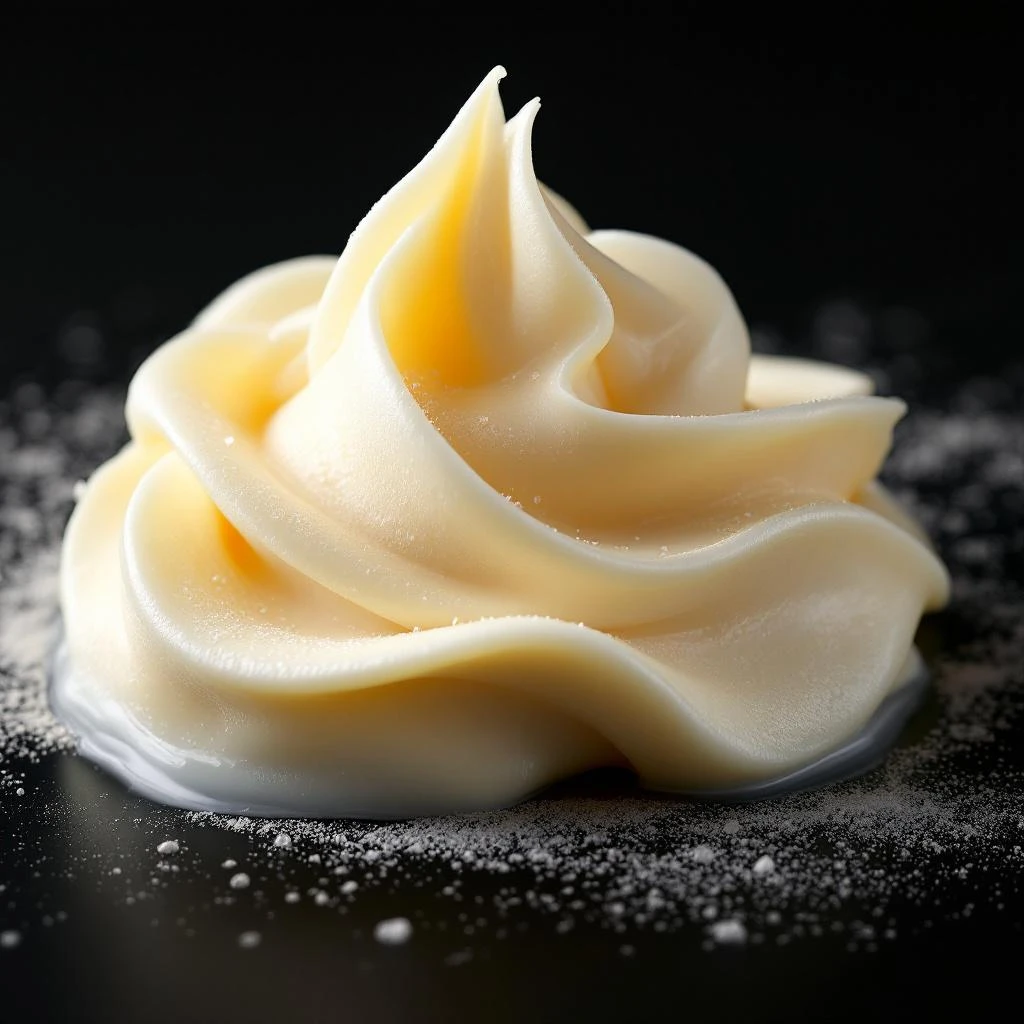
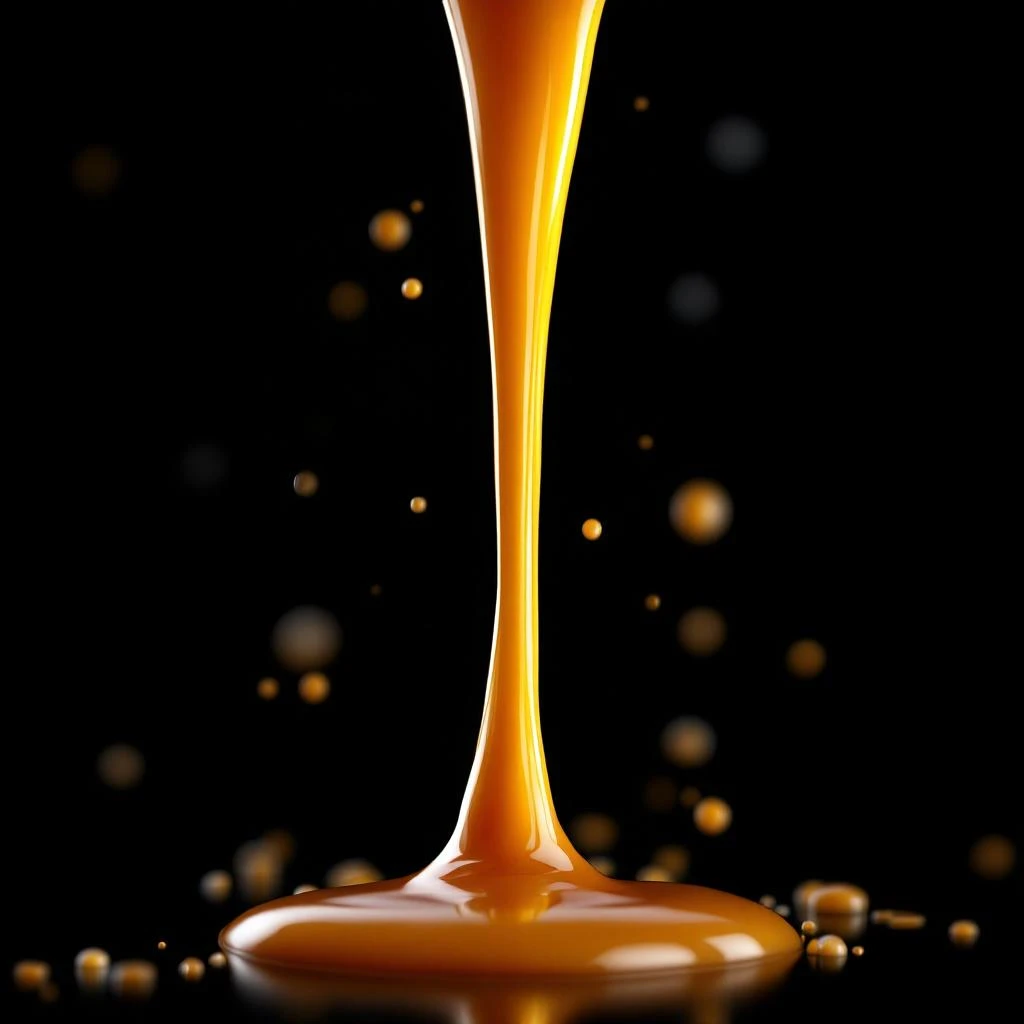
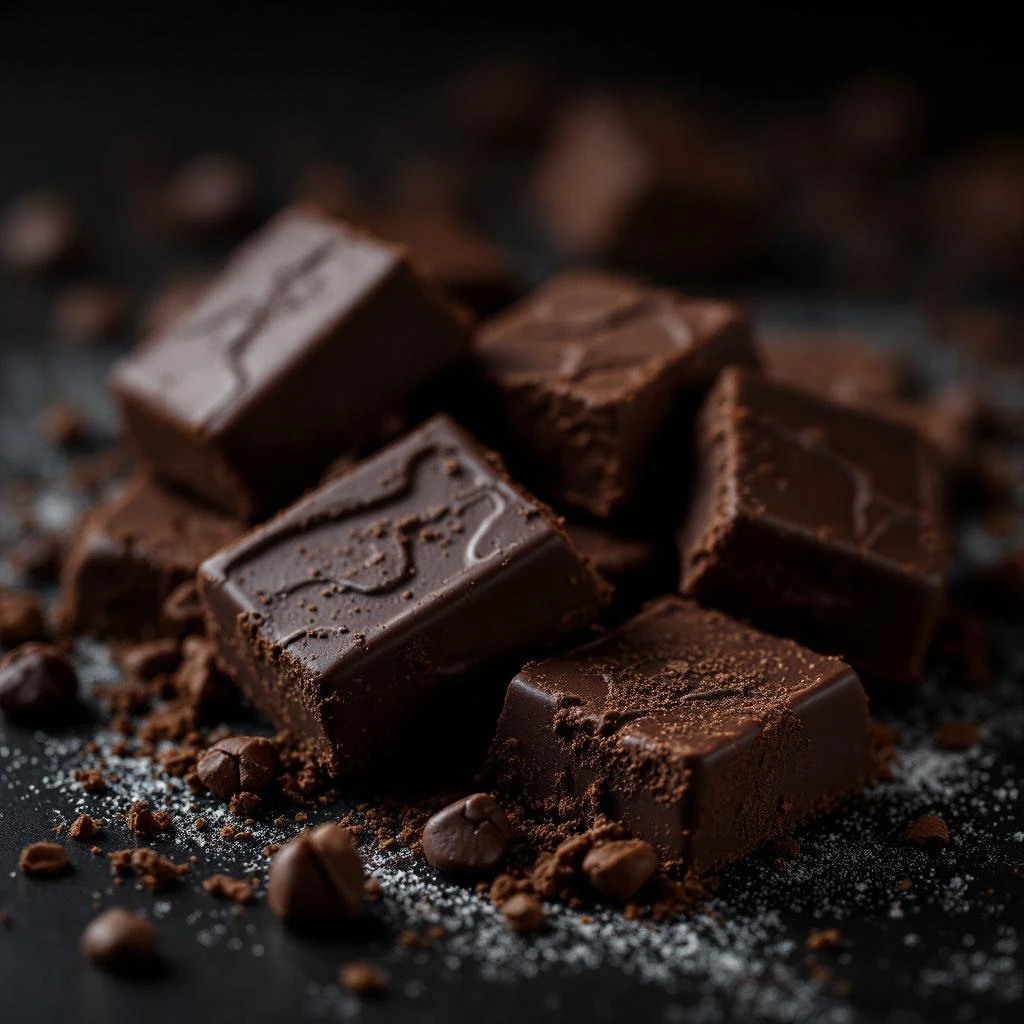
Captures the creamy sweetness of vanilla custard, combining notes of caramelized sugar, warm vanilla, and milk. This edible note brings comfort and indulgence to modern fragrances.
Character
How it smells
Cozy and sweet like a warm dessert
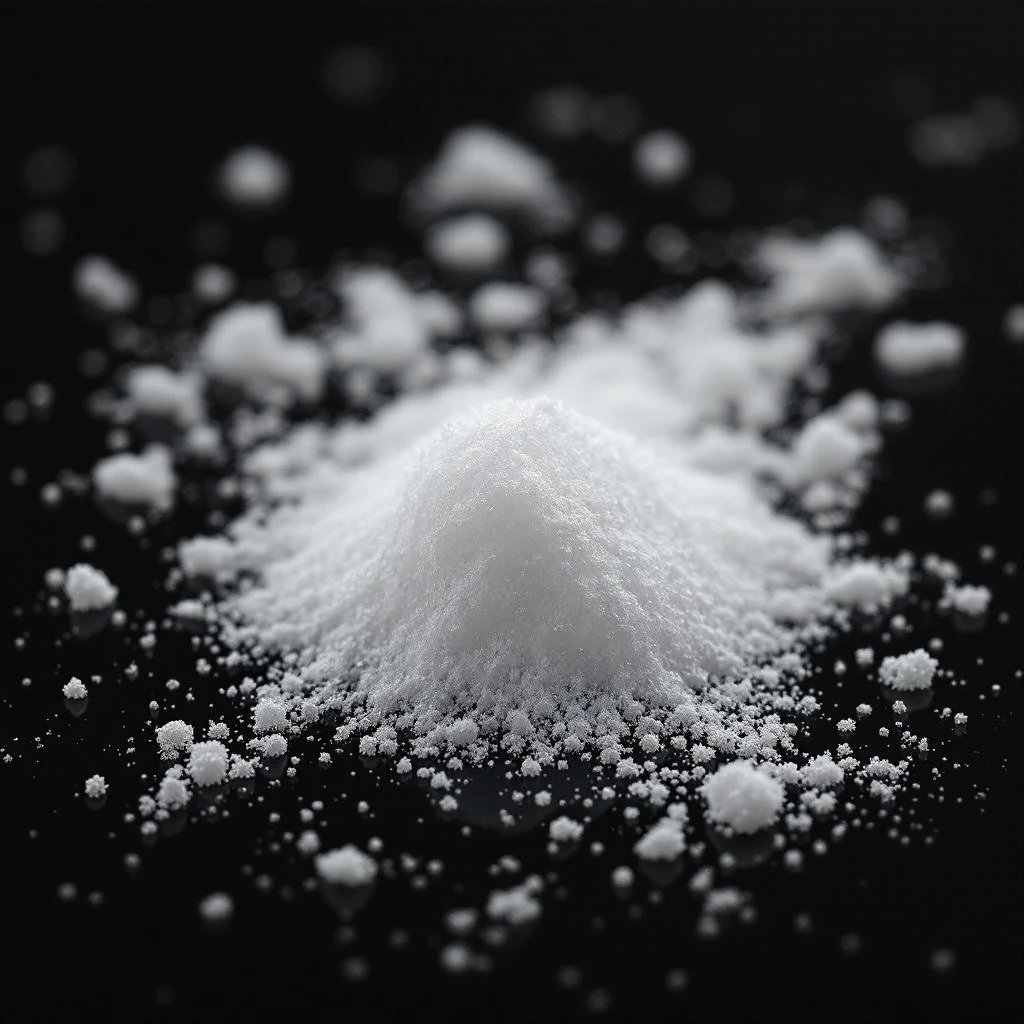
Custard in perfumery is purely synthetic—no actual custard is involved. Perfumers layer vanillin, coumarin, and lactones to build its creamy warmth from chemical precursors.




Origin
France
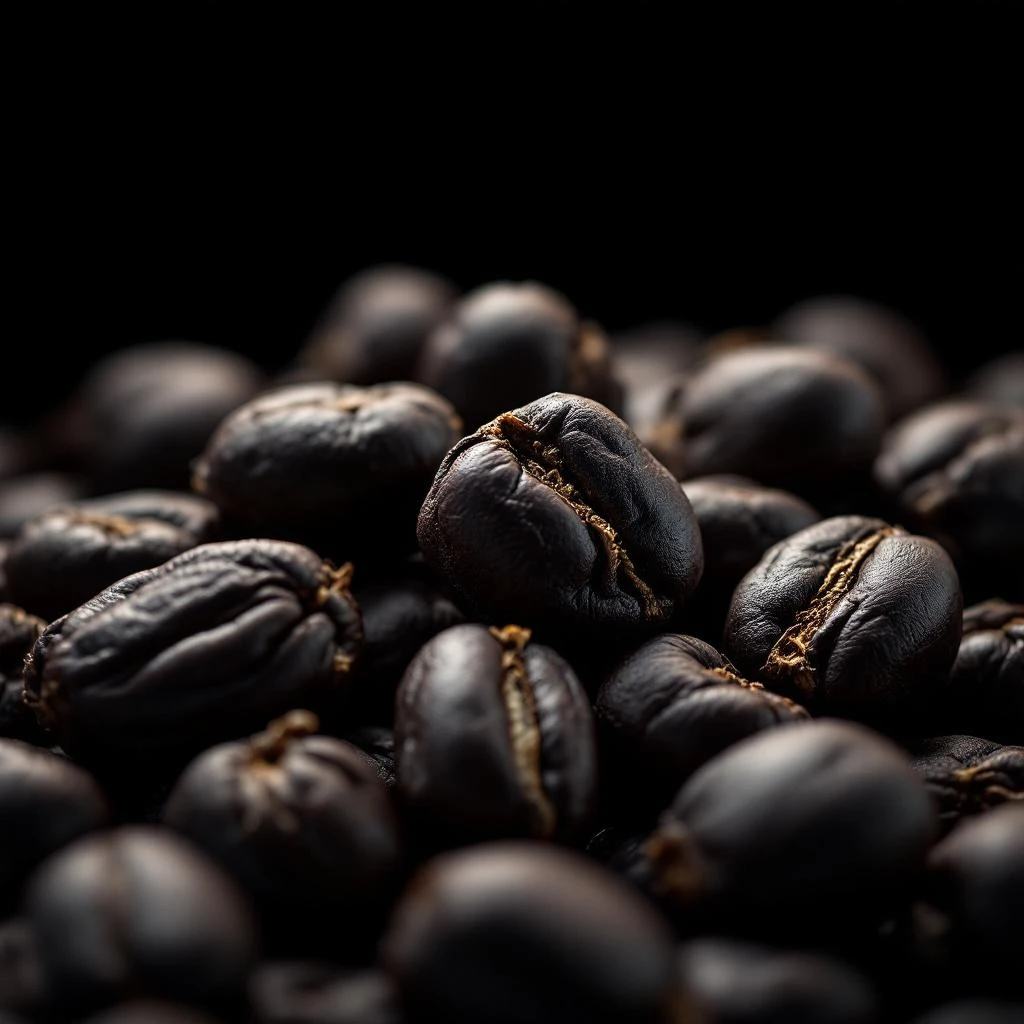
Custard as a perfumery note belongs to the modern era. For millennia, perfumers worked only with natural ingredients: plant oils, resins, spices, and animal products. The ancient Greeks created the first liquid perfumes, but none would have included a dairy-sweet accord.
Custard became possible only after organic chemistry advanced in the late 19th century. Scientists isolated aroma compounds like vanillin from the vanilla bean in 1898, and coumarin was synthesized from tonka beans around the same time. As these synthetic materials became commercially available in the 20th century, perfumers gained the tools to build edible, comfort-focused fragrances.
Gourmand perfumery emerged in the 1980s and 1990s, using accords like custard to create scents that smelled literally like food. Today, custard remains a signature note in warm, sweet fragrances designed to feel like a sensory embrace.
Wears it best
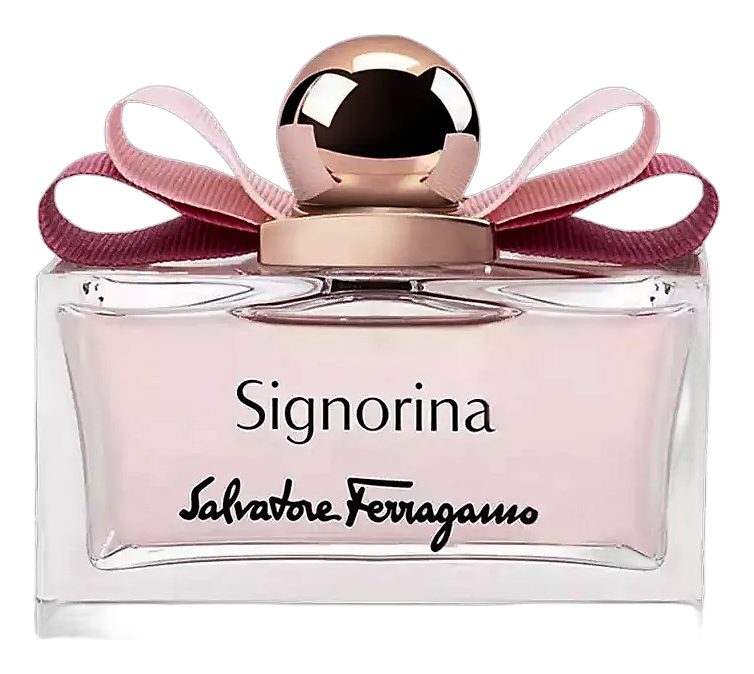
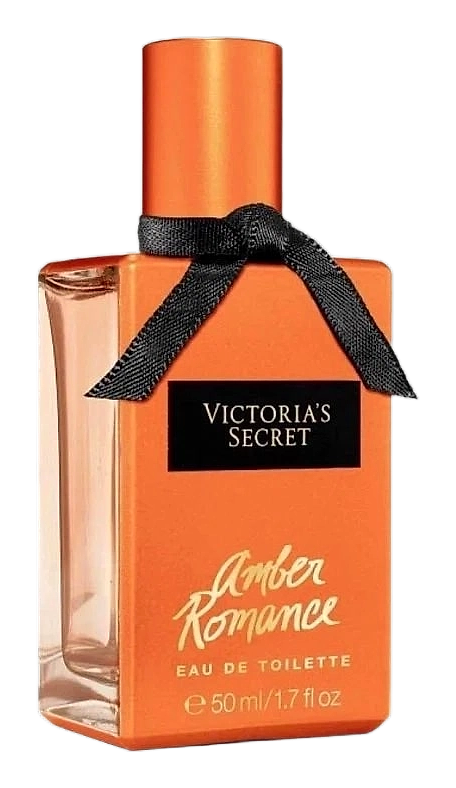
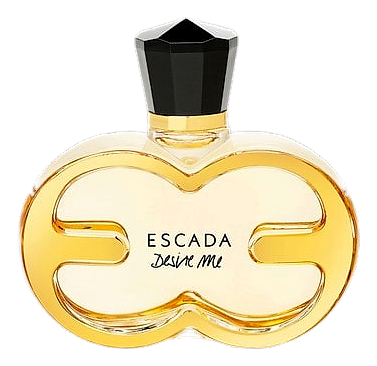
Fragrances featuring Custard

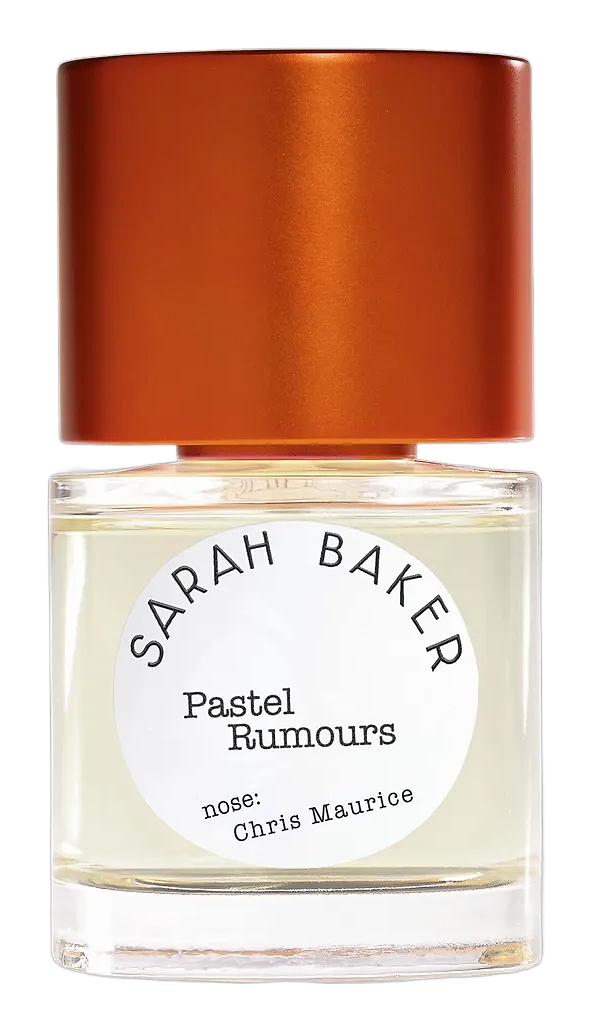
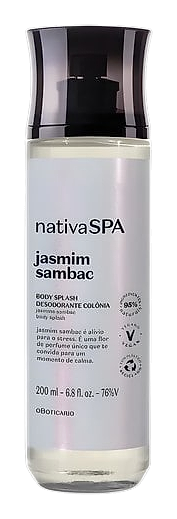
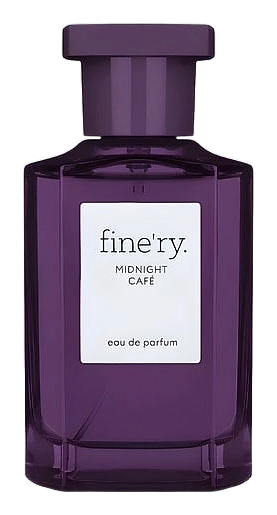
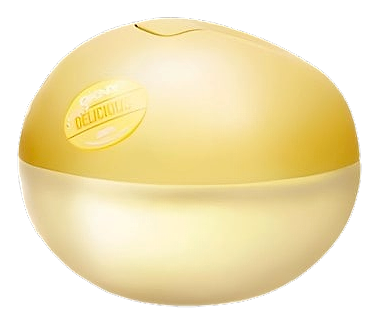
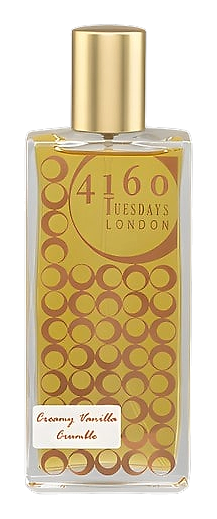
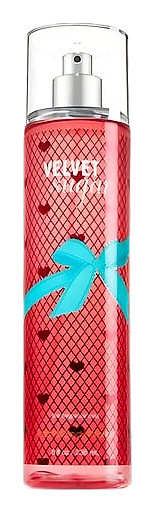
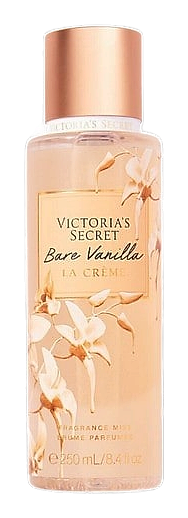
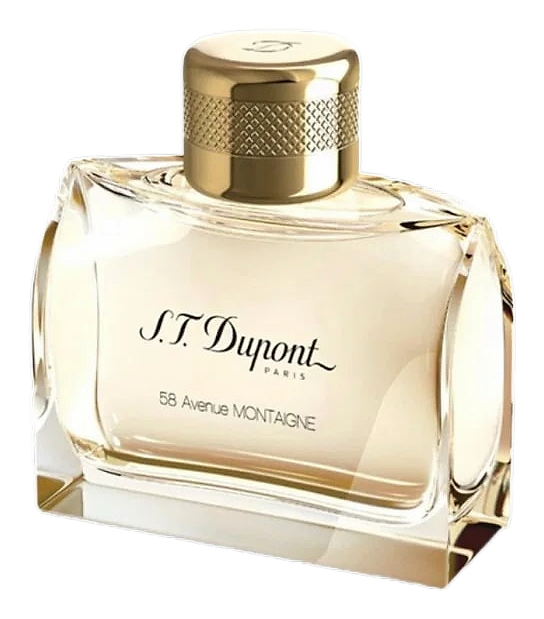
Brands
Brands known for Custard
Good to know
Questions, answered
The essentials on Custard in perfumery: how it smells, where it comes from, and how it behaves on skin.
Is custard a natural or synthetic fragrance ingredient?
Custard is purely synthetic in perfumery. Perfumers build the note from aroma chemicals like vanillin, coumarin, and lactones rather than natural ingredients.
What does custard smell like in fragrance?
Custard smells like warm vanilla cream with caramelized sugar and milky richness. It adds a cozy, edible quality that makes fragrances feel comforting and indulgent.
Which perfumes use custard as a key note?
Custard appears in several gourmand fragrances from brands like Mugler, L'Artisan Parfumeur, and Kilian. These scents typically combine it with vanilla, caramel, and tonka for a dessert-like effect.
Does custard contain any dairy ingredients?
No, custard fragrance contains no actual dairy. The creamy effect comes entirely from synthetic lactones and other aroma chemicals that mimic the smell of dairy without any animal products.
When did custard become a common perfumery note?
Custard became viable in perfumery during the late 20th century, when synthetic aroma chemicals became widely available. Gourmand fragrances in the 1980s and 1990s helped popularize the note.
Can I find natural extracts that smell like custard?
No natural single ingredient smells exactly like custard. Vanilla absolute provides the closest natural note, but perfumers must combine it with other materials to achieve a full custard effect.
What other notes pair well with custard in fragrance?
Custard pairs naturally with vanilla, tonka bean, caramel, benzoin, and heliotrope. These warm, sweet ingredients amplify its dessert-like quality in fragrance compositions.
Is custard safe for use in consumer fragrances?
Yes, synthetic fragrance materials including those used in custard accords undergo safety evaluation by IFRA. All commercially available perfumes containing these notes meet regulatory safety standards.