
The Story
Why it exists.
The beginning
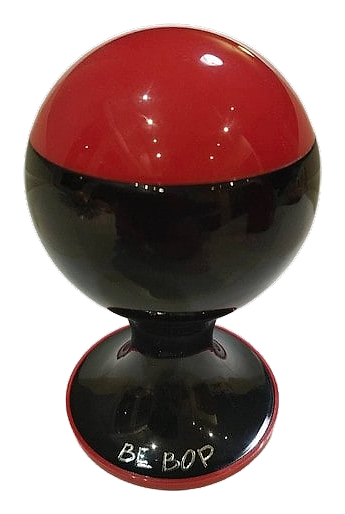
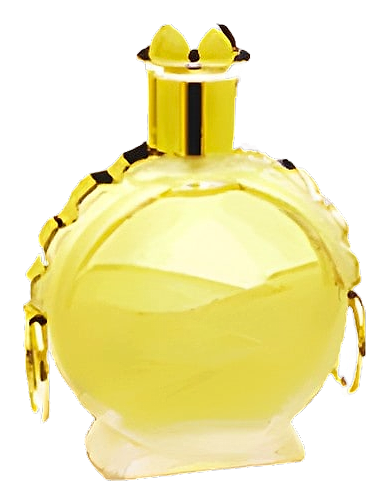
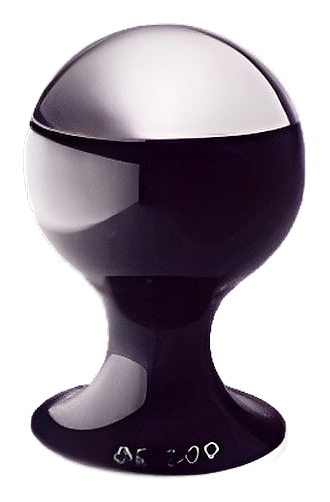
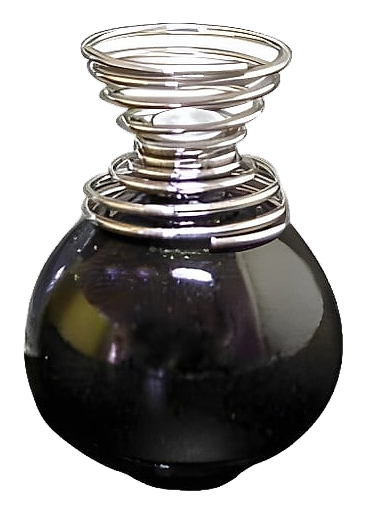
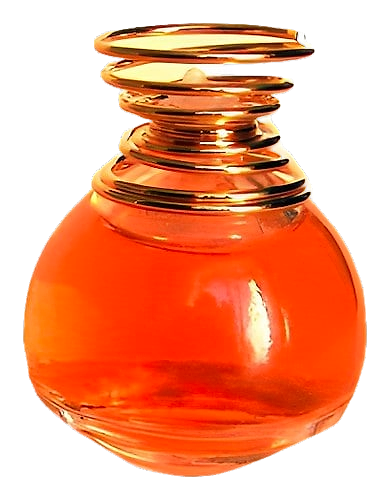
C'est Magique arrived in 1997 from Kesling, the creators behind this particular Eau de Toilette formulation. The juice was built around a floral, fruity, woody idea: bergamot and freesia framed a composition that gathers brightness, petals, fruit, and dry wood into one polished gesture. The official structure names Bergamot at the opening, Freesia in the heart, and Cedarwood at the base, a three-note skeleton that the fuller pyramid expands well beyond. The bottle itself carries the same gesture, polished and considered, suggesting a house that treats its launches with care. There are no verified perfumer credits, no named muse, and no documented inspiration behind the title, so the safest reading is the one the formula itself offers.
What makes C'est Magique distinctive is the tension between its bright fruit and its powdery floral center. Pineapple and melon make the opening feel almost sunlit, while freesia, gardenia, jasmine, lily of the valley, rose, violet, and ylang-ylang bring a soft white-floral hush. Cedarwood, musk, and plum prevent the result from staying purely pretty. The arrangement feels less like a neat bouquet than a polished surface with something bright beneath it.
The evolution
The first impression is fruit with an edge: pineapple and melon sit over lemon, mandarin orange, bergamot, and green notes, giving the opening a crisp, glossy energy. That brightness then hands over to the floral heart, where freesia, gardenia, jasmine, lily of the valley, rose, rosewood, violet, and ylang-ylang create a powdery, romantic layer. Each of these florals contributes something slightly different, with freesia giving the cool metallic shine, jasmine the creamy warmth, and violet the soft dusting of iris-like shadow. The surprise arrives later, when the fruit turns darker and more textured through plum, while musk and cedarwood leave a dry woody trace. The plum in particular shifts the mood from bright to plush without ever crossing into jam territory.
Cultural impact
Released in 1997, C'est Magique arrives with a floral-fruity-woody register that feels feminine without relying on a simple sweetness. The pineapple-melon opening gives it a recognizable lift, the freesia-jasmine-gardenia heart carries a romantic weight, and the cedar-musk base keeps the whole construction honest. Its place in any catalog of late-nineties launches is earned through that balance, a scent that wants to be tasted as well as smelled.