The Story
Why it exists.
The beginning
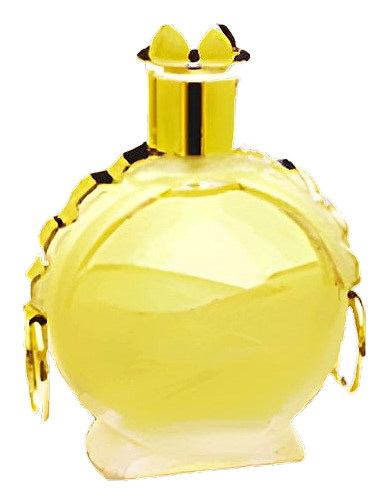
Sinai arrived in 1997 from Kesling, a French house whose catalog treats scent as the primary material of its creative output. The house collaborated with IFF, the fragrance manufacturer listed in the public record for this composition, to bring the formula into being. Sinai reads as the contemplative corner of the Kesling catalog, a perfume for Eternal Peace, something that smells in every heartbeat to awaken hope for a peaceful life. Less manifesto than meditation, more breath than declaration. The name itself carries weight. Sinai draws on the resonance of a place long associated with refuge, revelation, and stillness. Kesling borrows that geography not as literal landscape but as emotional temperature: arid, quiet, sun-baked, sacred.
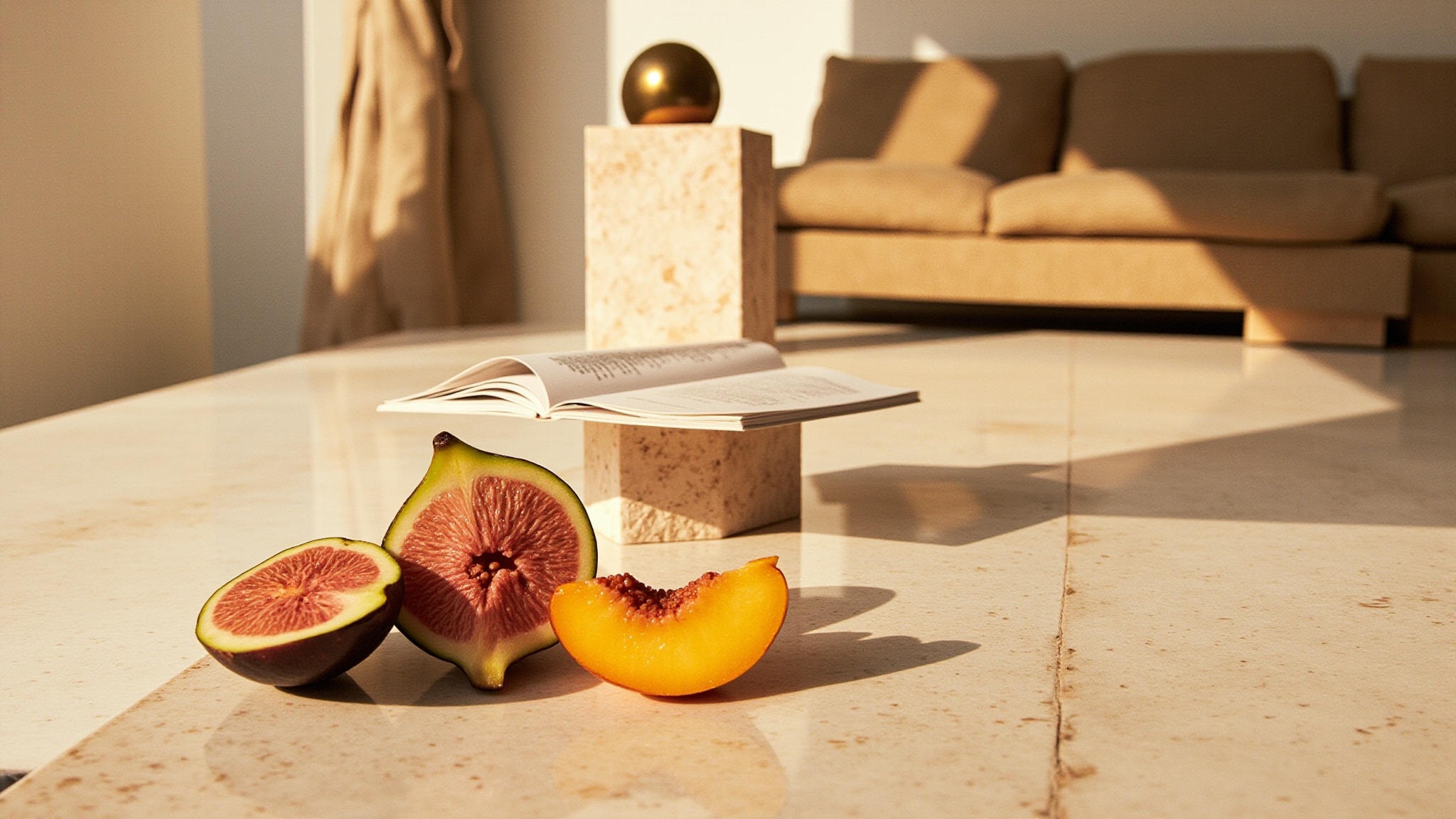
What makes Sinai structurally unusual is the way the fruity and the powdery share the same breath. Fig and peach sit at the top, but the iris underneath them turns that fruitiness opaque rather than bright. The fruit reads sun-dried rather than juiced, leathered rather than luscious. That single decision keeps the whole composition in a different key from its neighbors. The cardamom and coriander add a savory edge that keeps the composition from collapsing into dessert, a green flicker of heat that threads through the sweetness without ever dominating it.
The evolution
The opening arrives with fig and peach, soft and sun-warmed rather than syrupy, like fruit left on a windowsill at noon. Mandarin orange adds a thin citrus brightness at the very first contact with skin. The fruit notes feel mellowed rather than fresh, as though the peach has already begun its slow slide toward jam, and the fig carries that leafy greenness you only find in the actual tree, not in a pastry. As the composition moves inward, the heart takes shape: jasmine arrives, but muted, dusted with iris powder rather than indolic and loud. Cardamom and coriander cut through with a savory snap, the kind of heat that registers as spice cabinet rather than skin warmth. The peach deepens into something almost like dried fruit, plummy and quiet. Rose threads through the middle, candied but grounded by the iris that holds everything in soft focus.
Cultural impact
Sinai sits in an unusual pocket of late-1990s perfumery. The fig-and-iris pairing is uncommon in the broader landscape, and the dusty, restrained sweetness runs against the louder directions the genre was pulling toward in that decade. It reads more contemplative than glamorous, more afternoon light than nightclub. The fruit notes never shout, the iris never powders itself into a cloud, and the base never tips into resinous heaviness. Instead the composition holds a middle register, asking to be revisited rather than immediately understood. That quietness places Sinai apart from its louder contemporaries.