
The Story
Why it exists.
The beginning
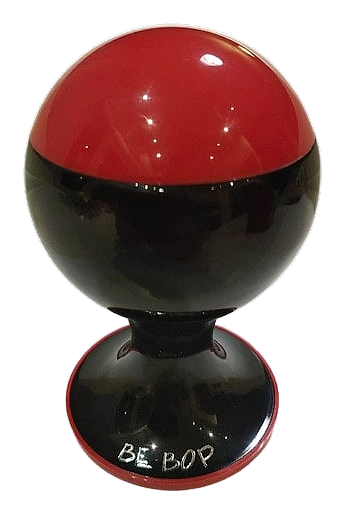
The Be Bop collection arrived at the beginning of the 1990s, named for the jazz movement that refused easy listening. For Kesling, perfume was sculpture, the bottle, the name, the juice all part of one deliberate object. Be Bop Pour Homme, launched in 1992, took that philosophy into men's fragrance. The intent was clear: build something with real character, the kind of scent that earns attention rather than demanding it. Aromatic herbs, spices, smoky warmth, no safe harbor in any direction.
The structure here is unusual for its era. Six top notes, thyme, lavender, basil, bergamot, Amalfi lemon, tangerine, create an opening dense with competing signals. Herbaceous and citrus. Cool and bright. The heart adds clove, geranium, coriander, and cinnamon, shifting the balance toward warmth and spice. What makes it distinctive is the base: patchouli, vetiver, cedar, opoponax, and musk in equal measure. Earthy, smoky, balsamic. No single element dominates. The whole composition breathes as one.
The evolution
The opening hits hard, thyme and lavender immediately, with an herbal intensity that borders on medicinal. Citrus cuts through sharp and bright. Within minutes, the basil arrives green and almost aggressive. This is not a quiet hello. Then the spices take over. Clove and cinnamon build warmth as geranium adds a green-rosy lift. The citrus fades. Coriander bridges the transition, and the fougère structure becomes clear, the aromatic herbs asserting themselves over everything else. The heart holds for 2 to 4 hours, consistent and demanding. The drydown is where patchouli, vetiver, and cedar finally settle. Earthy, woody, with opoponax adding a smoky, balsamic depth that ties everything together. Musk keeps it close to the skin. The smoky quality, unexpected given the note list, emerges here, lending a leathery, campfire quality to the base. Lasting into the next day on fabric. A quiet residue that earns its complexity.
Cultural impact
Be Bop Pour Homme arrived in 1992, a year when men's fragrance leaned toward either aquatic freshness or straightforward fougère. The smoky-spicy character set it apart, a fragrance that chose complexity over accessibility. It found its audience among those seeking something with genuine backbone, a quiet reference point for aromatic-spicy masculinity without the usual concessions to mass market appeal.