The Story
Why it exists.
The beginning
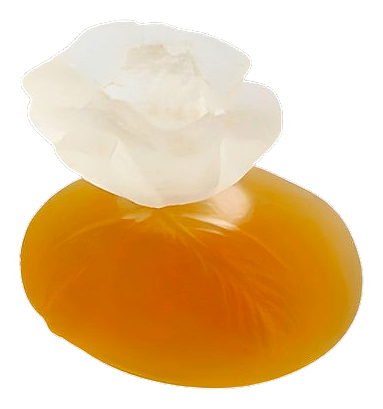
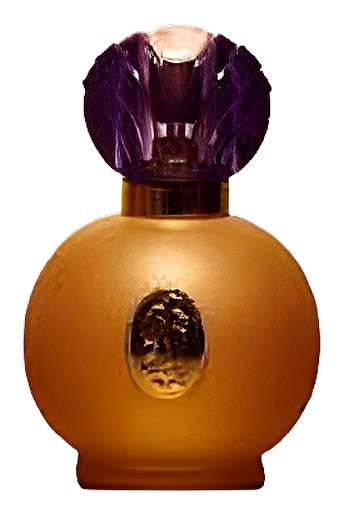
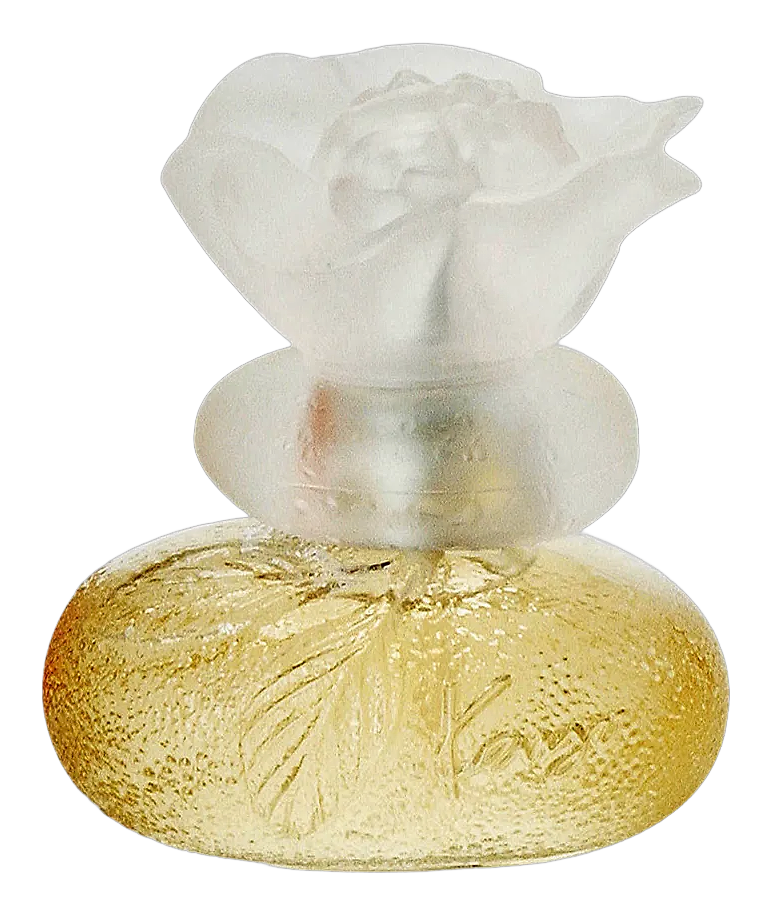
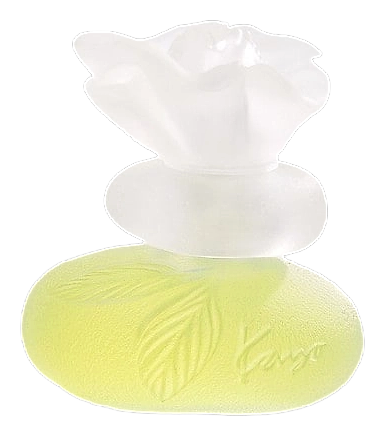
Francoise Caron named it Ca Sent Beau, which is French for 'that smells good.' A statement, not a metaphor. An intentionally cheeky title for an intentionally lavish fragrance. Created in 1997, the brief was deceptively simple: take the most opulent white florals available and let them do exactly what they want. No restraint. No apology. The official description calls it an 'exceptionally floral nectar', a phrase that undersells the actual abundance. Magnolia, gardenia, tuberose, ylang-ylang, rose, and jasmine form a white floral constellation so dense it borders on overwhelming.
The white floral heart is where Ca Sent Beau lives and dies. Gardenia and tuberose create that characteristic creamy, slightly indolic signature that defined the 90s floral boom. Peach adds a mouthwatering juiciness, while African orange flower brings a bitter-herbal lift that keeps the sweetness from becoming cloying. Patchouli isn't relegated to the base here, it's present throughout, keeping the florals grounded and preventing them from floating into pure abstraction.
The evolution
The opening is all citrus shimmer, mandarin and bergamot bright enough to startle, with patchouli's green-earthy presence giving the sweetness something to push against. For the first twenty minutes, Ca Sent Beau announces itself. Then the white flowers arrive in force. Gardenia, jasmine, ylang-ylang, and tuberose pour in together, rich and creamy, with peach's fruitiness threading through. The transition is gradual, citrus never fully disappears, just gets subsumed. What remains is white floral abundance that smells expensive, nostalgic, and slightly overwhelming all at once. The drydown is where it gets interesting. As the blooms begin to fade, vetiver and amber emerge, grounding the florals with something warm and slightly animalic. Vanilla stretches the sillage close to the skin. On fabric, this one lasts until the next morning, warm, soft, a ghost of flowers and cream.
Cultural impact
Ca Sent Beau has maintained a loyal following since 1997. Valued for its rich floral character and bold, unapologetic presence, the scent of someone who finds beauty everywhere and refuses to take luxury too seriously. The house is known for fragrances that celebrate nature and youth, and Ca Sent Beau embodies that philosophy with its exceptionally floral heart.