
The Story
Why it exists.
The beginning
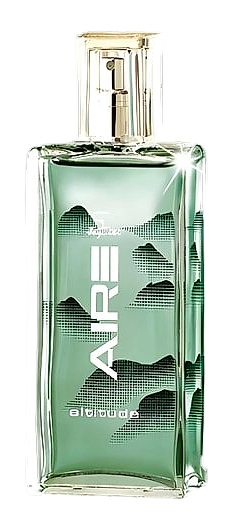
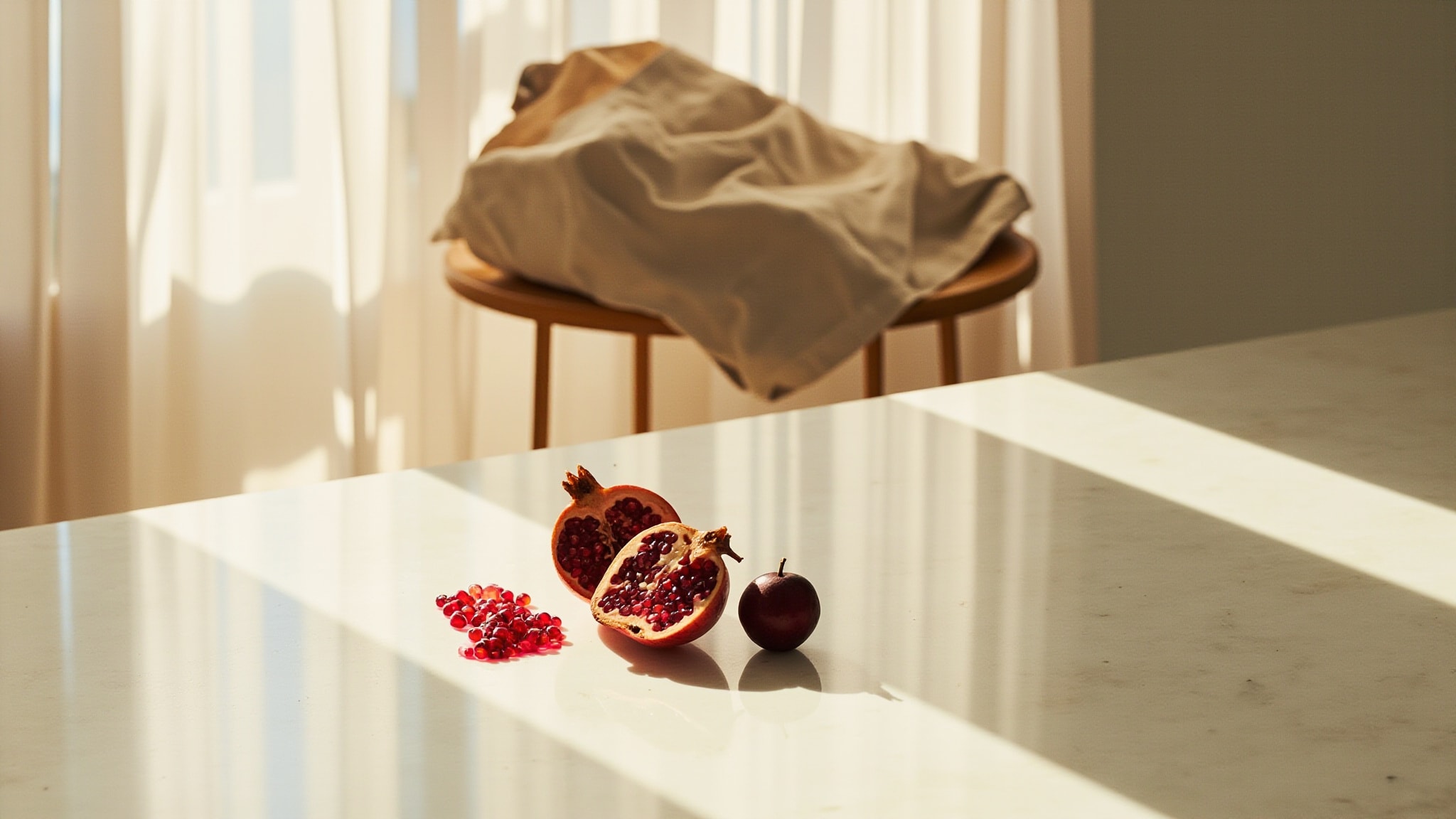
Rio de Janeiro arrived in 2013 from Brazilian fragrance house Jequiti. The fragrance wears its geography in plain sight. Rio is heat and motion, beach and boulevard, fruit stalls and the long walk home. Jequiti tapped perfumer Marion Costero to bottle that particular energy, and Costero reached for a fruit-floral-wood combination built to feel like the city at its most unguarded. The composition opens with a bright burst of plum, pomegranate, and green apple, a juicy trio that pulls the nose in before softening around the edges. As the fruit mellows, jasmine, freesia, and lily of the valley take over, each floral lending its own quality to the blend. Jasmine brings an indolic sweetness, freesia adds a peppery lift, and the lily of the valley keeps things cool and dewy.
The choice of plum and pomegranate as the opening pair gives Rio de Janeiro more weight than the usual tropical-fruit fare. Those aren't background sweetness. Pomegranate brings that tart, almost wine-like edge, while plum adds a soft, rounded pulp. Pairing those against white florals like jasmine, freesia, and lily of the valley keeps the fragrance from sliding into pure juice territory. The sandalwood and orchid base anchor everything into something warmer and more deliberate.
The evolution
The first ten minutes belong to fruit. Plum and pomegranate push forward together, green apple cutting through with a sharper brightness underneath. Around the twenty-minute mark, the fruit loses its grip and the white florals move in. Jasmine leads, but freesia and lily of the valley give it a cleaner, less heady edge. The transition from fruit to flower is the fragrance's most interesting hand-off. The fruit doesn't vanish so much as step back, allowing the petals to take center stage without losing the juiciness entirely. There's a moment where both layers coexist, the sweet-tart fruit hovering just behind the cool florals, and that overlap gives the opening a real sense of depth. By the second hour, the woods settle in underneath, with orchid adding a soft, creamy texture. The jasmine fades slowly, leaving a trace of its indolic warmth behind, while the freesia lifts off first.
Cultural impact
Rio de Janeiro carries the kind of warmth that suits daytime wear and casual social settings. The fragrance doesn't demand attention so much as offer it. The fruit opening reads as playful and approachable, the floral heart softens the composition without making it heavy, and the woody base gives it enough gravity to last beyond the first hour. Plum and pomegranate bring a familiar sweetness that feels familiar without being generic, and the jasmine-freesia-lily combination keeps the heart from tipping into something too sweet or too indolic.
The House
JequitiJequiti is a Brazilian cosmetics and fragrance house that reaches customers through a direct‑sales network. Since its launch in 1999 the brand has offered a wide range of scented products, from everyday body sprays to more elaborate eau de parfums such as Eu Sinto (2012) and Fléus Orchidée (2024). Its catalogue mixes bright, youthful compositions with scents that reference Brazil’s coastal and tropical landscapes. Jequiti’s presence spans more than two decades, and the company continues to introduce new releases each year while keeping price points accessible for a broad audience.
The Creator
Marion CosteroMarion’s signature technique centers on building rich, multi‑layered bases before adding bright top notes that catch the eye. She favors natural absolutes such as Brazilian rosewood, Amazonian cacao, and Provençal lavender, pairing them with modern synthetics that extend longe…