
The Story
Why it exists.
The beginning
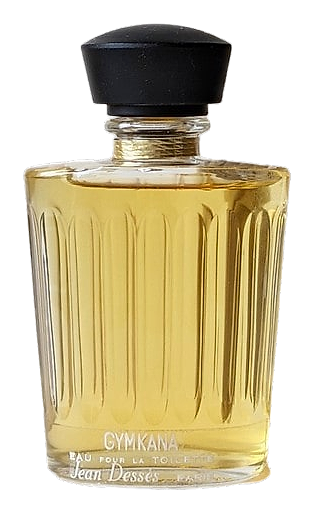
Gymkana arrived in 1960 from the House of Jean Dessès. By the time it launched, the fashion house had long since established itself on the Paris scene, with a reputation that reached far beyond fragrance. The perfume was composed by Paul Vacher, and it stands apart from anything else in the house's small perfume portfolio. Where the surrounding releases leaned feminine, Gymkana cut the other way: a men's chypre, dense and bitter, with the sort of leather-and-oakmoss backbone that defined mid-century masculine scent. The name itself, Gymkana, suggests something athletic, a bit rough-and-tumble, far from the silk-and-orchid territory the house usually occupied.
What makes Gymkana structurally interesting is its commitment to a bitter, leathery composition built on oakmoss, bergamot, and a heart that wears like warm hide. The artemisia and sage in the opening give it a sharp, almost medicinal lift, the kind of green bitterness that announces the fragrance before it settles. Vetiver sits in the heart alongside the leather, not as a base accent, and lets the rooty, earthy quality bridge the aromatic top into the mossy drydown.
The evolution
The first fifteen minutes are bitter and green: wormwood and sage push forward while bergamot tries, unsuccessfully, to lighten the mood. Artemisia sharpens everything to a medicinal edge, the kind of clean bitter that stings the back of the throat. By the thirty-minute mark, the leather arrives, and the composition pivots hard. It stops smelling like an apothecary and starts smelling like a glove left on a radiator, warm and slightly singed at the edges. Geranium sweetens the leather just enough to keep it from going harsh, and lavender threads through the whole thing like a faint memory of cologne, dusting the whole picture with something almost soapy. Vetiver grounds the heart, pulling smoke from somewhere unexpected, a dry rootiness that catches the leather's warmth and holds it.
Cultural impact
Gymkana sits in a quiet corner of vintage masculine perfumery, a men's chypre from 1960 that has all but vanished from the mainstream conversation. Collectors who know it tend to recognize something familiar in its structure, the bitter artemisia opening, the glove-leather heart, the oakmoss-and-coumarin drydown that has come to define a certain kind of French masculine scent. Production was discontinued, which has made surviving bottles harder to find and more interesting for anyone drawn to mid-century men's releases. It carries none of the mainstream recognition of the bigger names from the same era. That's part of the appeal.