The Story
Why it exists.
The beginning
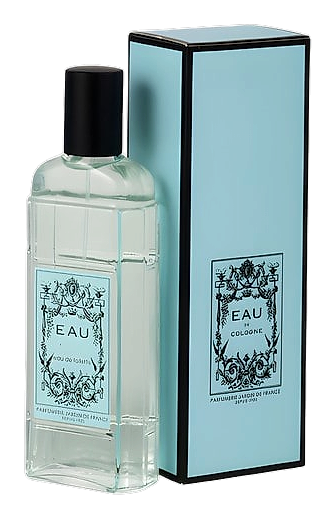
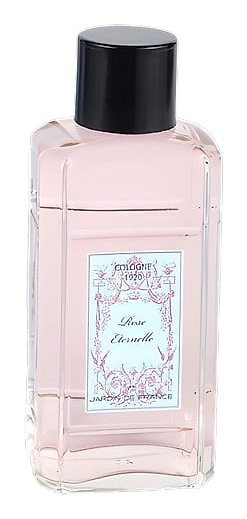
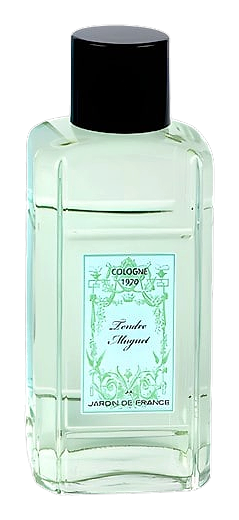
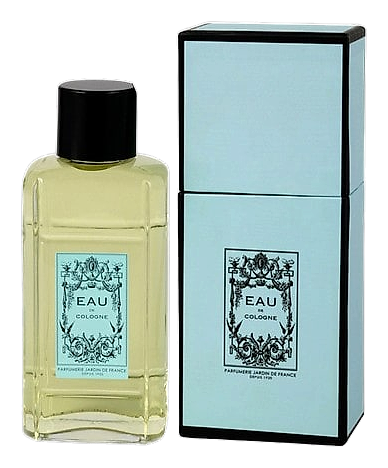
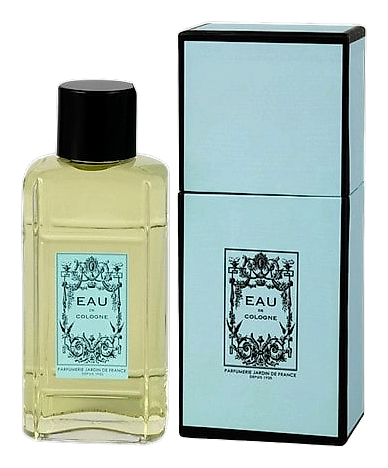
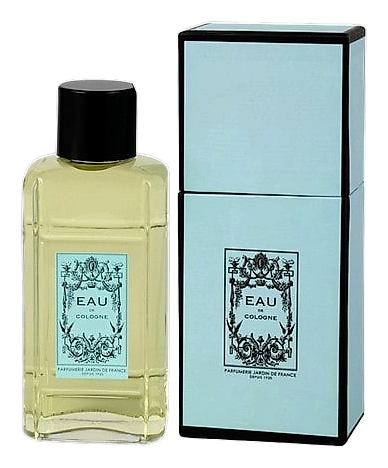
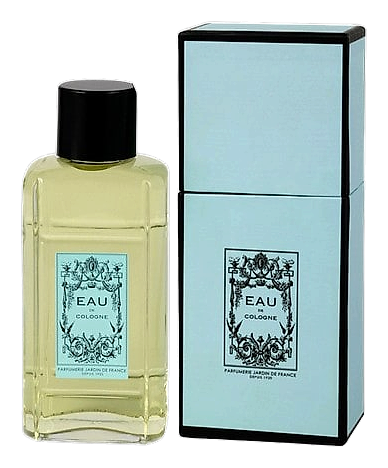
Heliotrope sits inside the floral wing of Jardin de France's cologne lineup, a selection of 21 compositions presented in the same blue-boxed bottle. The brand built its identity on eau de colognes made with natural ingredients, grouping them into four families: classic, fresh and green, floral, and modern. Heliotrope belongs squarely to the floral bracket, alongside rose, jasmine, lily of the valley, and lilac. The name says everything. Heliotrope, the plant, carries a scent that sits between vanilla, marzipan, and a faintly bitter green stem. Expressions Parfumees Grasse shaped that botanical into a cologne that reads less like a fragrance category and more like a memory of a courtyard garden in July.
The interesting move here is the accord structure. Heliotrope's powdery profile can lean heavily on sweetness, but here violet leaf in the heart gives the almond character a green edge. That single note does real work. It stops the powder from collapsing into dessert and gives the composition something that reads on skin instead of just floating above it. As the heart settles, the contrast between violet leaf and heliotrope becomes more apparent: cool greenery, faint bitterness, and a rounded almond-marzipan warmth.
The evolution
The opening belongs almost entirely to bergamot, bright and a little sharp, with ylang-ylang hovering underneath like warm skin. Then the shift happens. Violet leaf arrives first, cool and green, making space for heliotrope to unfold. Rose threads through the heart, soft and soapy rather than jammy. This is where the almond character starts to read clearly, a marzipan warmth that feels edible without ever smelling like food. The drydown is where Heliotrope settles into itself. Jasmine stays in the background, not indolic, more like a whisper of clean skin. Freesia adds a watery, slightly metallic edge. Cyclamen gives the later stages their lift, an ozonic quality that keeps the powder from going dull. On a sweater the next morning, it reads like vanilla and clean laundry, softer than the day before, still recognizable.
Cultural impact
Heliotrope occupies a specific corner of the cologne world, the one where traditional French floral tradition meets the kind of wear that asks for nothing. It is not a statement fragrance. It belongs to the lineage of old-school colognes that get passed between hands rather than loudly announced. Wearers who find it tend to be the type who keep a rotation rather than a signature, people who treat scent as wardrobe, not armor. Its powdery floral character offers a quieter alternative to more forceful fragrance directions.
The House
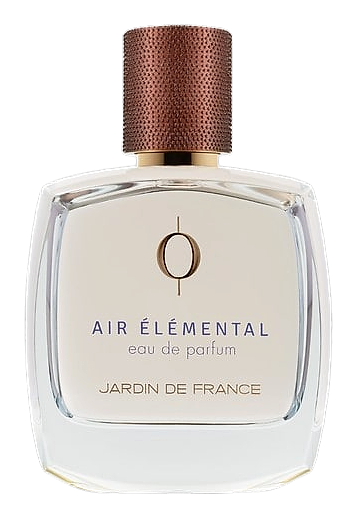
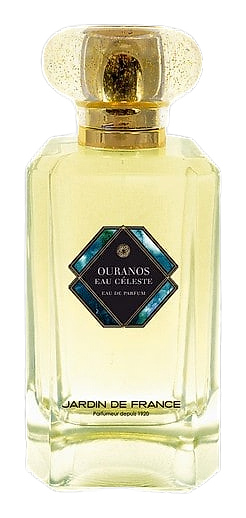
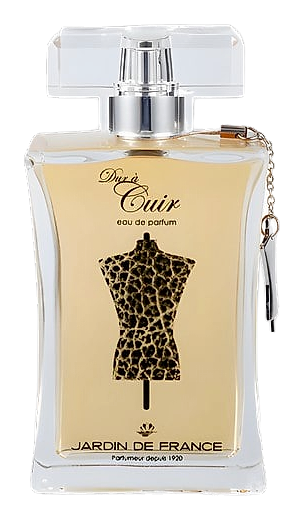
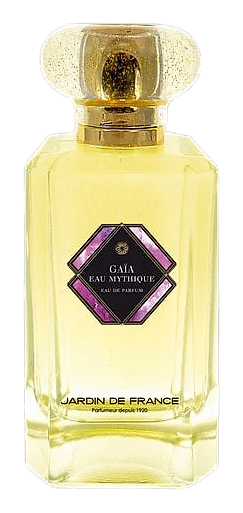
Jardin de FranceJardin de France is a French fragrance house that quietly curates scents rooted in the garden‑inspired heritage of its namesake. The portfolio reads like a stroll through a historic orchard, with classics such as Violette and Lilas sitting beside modern compositions like Air Elemental (2018) and Ouranos Eau Céleste (2014). Each bottle promises a moment of quiet discovery, whether the wearer seeks the crisp bite of ginger in Gingembre or the earthy calm of Vetiver. The brand remains modest in its public profile, yet its creations have earned a steady following among collectors who value consistency and a subtle sense of place.
The Creator
Expressions Parfumees GrasseThe signature of Expressions Parfumees lies in its layered architecture. A typical composition opens with a bright top, often a citrus burst or a sparkling aldehyde, then settles into a heart built from floral or aromatic notes that echo the region’s gardens.