The Story
Why it exists.
The beginning
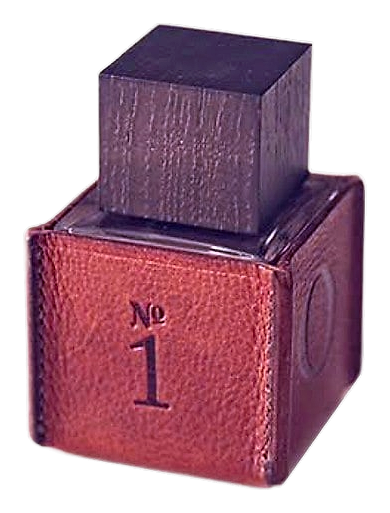
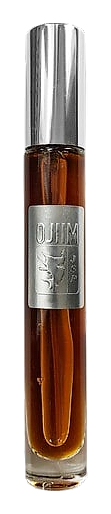
Ojiim took its name from the Ojibwe word for kiss. John Biebel built it as a limited parfum extrait in 2020, drawing on antique essential oils, some more than a century old. Only 36 bottles were made. This was never meant for the masses. It was intended as something small and specific, a personal brief where the usual commercial pressures simply didn't apply. The kind of project where the material list gets treated as the real architecture and the bottle count is set before the formula is even finalized.
The composition leans heavy on Rose de Mai, with a significant chunk folded into the heart. Biebel layered it against cumin and pink pepper, two materials that give the florals a smoky, almost savory edge. Palmarosa runs underneath, green and grassy, keeping the rose from tipping into syrup. The base is where the antique materials come through: oud, castoreum, Australian sandalwood, benzoin, all softened by styrax.
The evolution
The opening is bright and almost disorienting. Citron and bergamot push forward while the rose already curls underneath, waiting. Soon after, the florals take over completely. May rose dominates, thick and almost wine-dark, with cumin adding a dry, smoky edge that makes the petals feel lived-in rather than freshly picked. Palmarosa gives it breath, a grassy lift that keeps the density from becoming suffocating. As the spices recede, the base builds. Castoreum warms the skin. Styrax adds a leathery sweetness. Australian sandalwood smooths everything out, buttery and quiet against the sharper animalics. Eventually the fragrance sheds its florals entirely. What's left is oud, castoreum, and benzoin, an animalic, resinous close that lingers long after the last spritz.
Cultural impact
Only 36 bottles of Ojiim were ever made. That scarcity alone makes it a talking piece in the indie fragrance community, a release people reference because almost no one has actually worn it. Wearers tend to describe it as dense, animalic, and unapologetic, a rose-forward parfum that refuses to soften its edges for mass appeal. Within the niche conversation, it sits alongside other January Scent Project releases as a clear example of what small-batch perfumery can produce when the material budget is high and the bottle count is low. There's a reason collectors trade stories about who owns which number.