




The Heritage
The Story of January Scent Project
January Scent Project is an independent fragrance house based in Pawtucket, Rhode Island. Founded in 2015 by multidisciplinary artist John Biebel, the label produces small‑batch artisan perfumes that blend visual art, music and design. The catalogue includes Smolderose (2017), Burvuvu (2018), Ojiim (2020) and Northern Flicker (2024). Each scent is presented as a personal statement rather than a commercial trend, and the brand also offers private scent development and consulting for collectors and creators who want a bespoke olfactory experience.
Heritage
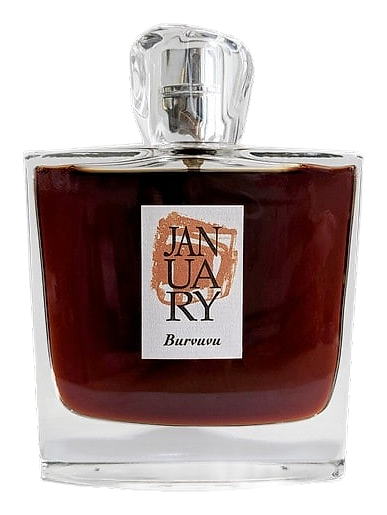
John Biebel launched January Scent Project after years of work as a painter, musician, UX designer and contributor to fragrance forums. In 2015 he converted his studio space in Pawtucket into a makeshift laboratory, using basic equipment to formulate his first perfume, Smolderose. The scent debuted publicly in 2017 and quickly attracted a niche following among indie fragrance enthusiasts. Building on that momentum, Biebel released Burvuvu in 2018, a cedar‑centric composition that critics described as a study in wood. 2020 saw the arrival of Ojiim, a fragrance that explored mineral and aquatic notes, followed by two releases in 2021 – Attaupe and Gong – each expanding the brand’s tonal palette. By 2024 the line grew to include Northern Flicker, a scent inspired by the bird’s seasonal migrations. Throughout its evolution, the house has remained a solo operation, with Biebel handling formulation, testing and artistic direction. The brand’s growth has been documented in live‑stream sessions where Biebel demonstrates his testing process and engages directly with the community. While the label has not pursued mainstream retail channels, it maintains a steady output of limited editions, each announced through social media and niche fragrance platforms.
Craftsmanship
Production takes place in a modest studio that doubles as an artist’s workshop. Biebel sources raw materials from established European and North American suppliers, favoring natural absolutes and high‑grade aroma chemicals that meet industry safety standards. Each batch is measured by hand, with the perfumer adjusting ratios in real time to achieve the desired balance. The house employs a single‑step blending technique that minimizes exposure to heat, preserving the integrity of volatile notes. After formulation, the perfume is left to macerate for several weeks in dark glass containers, a practice that mirrors traditional European atelier methods. Quality control involves blind testing with a small panel of trusted peers, who evaluate longevity, projection and fidelity to the original brief. Bottles are filled manually using a calibrated pipette, then sealed with cork or screw caps that complement the fragrance’s aesthetic. The label records every batch number, ingredient batch, and testing result in a ledger, allowing traceability for collectors who value provenance. This meticulous approach ensures that each limited edition retains consistency across its limited run while reflecting the handcrafted spirit of the brand.
Design Language
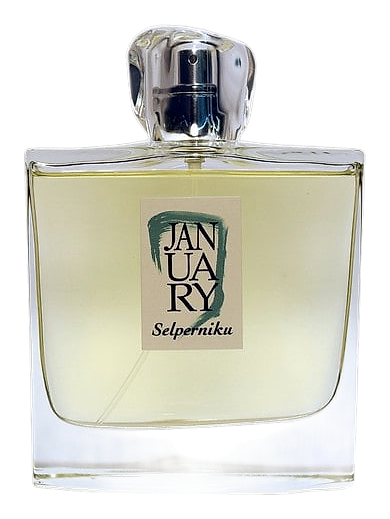
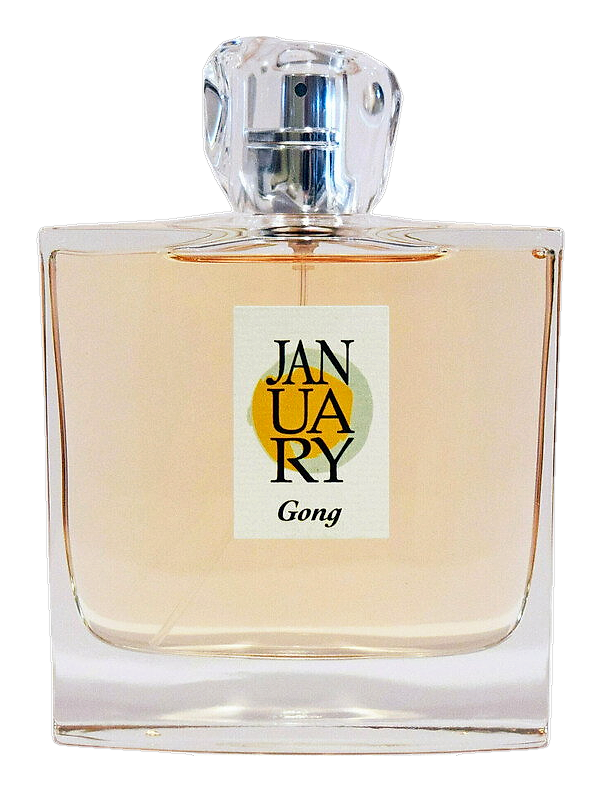
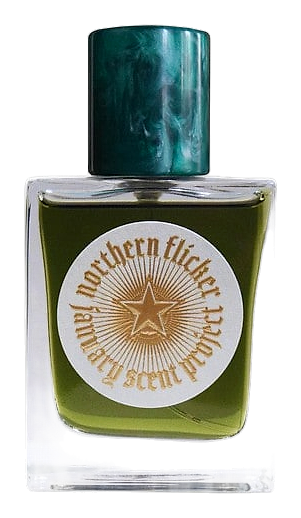
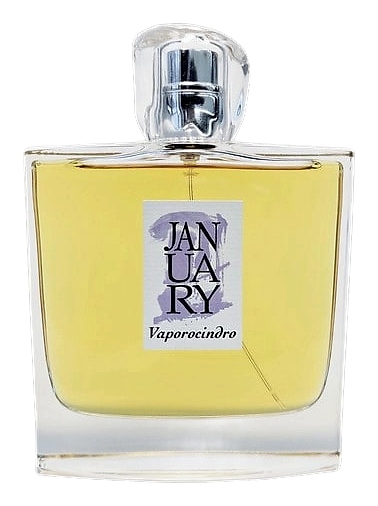
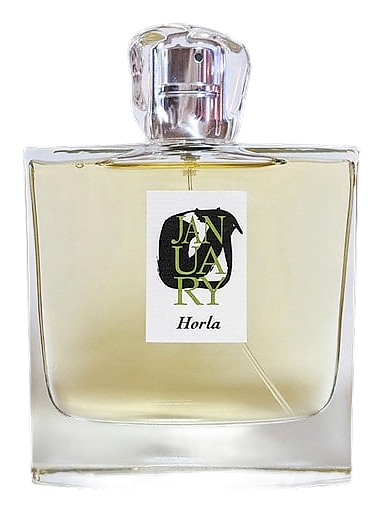
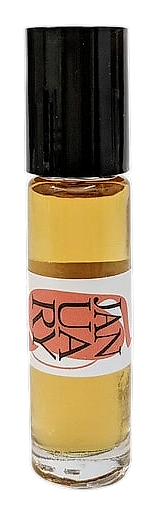
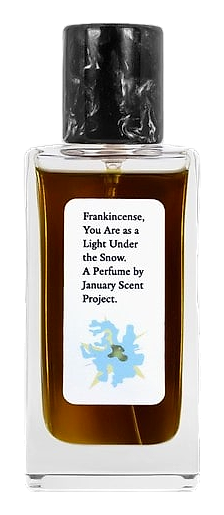
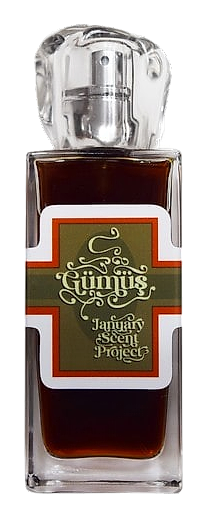
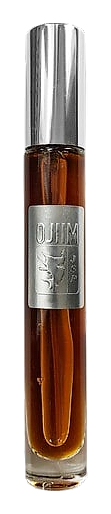
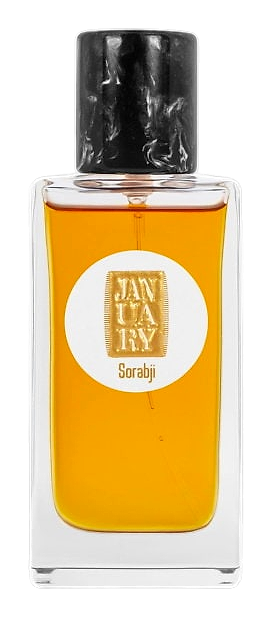
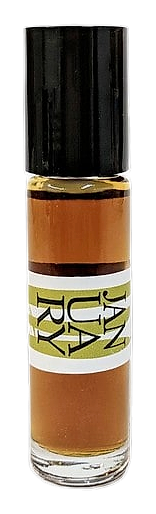
The visual language of January Scent Project echoes its artistic roots. Bottles are simple, clear glass vessels that showcase the perfume’s natural hue, often paired with matte black or brushed metal caps that suggest a studio tool rather than a luxury accessory. Labels feature hand‑drawn typography and abstract sketches, sometimes referencing the scent’s inspiration, such as a stylized cedar branch for Burvuvu or a bird silhouette for Northern Flicker. The brand’s color palette leans toward muted earth tones, reinforcing the connection to raw materials and the founder’s painter background. Packaging includes recycled cardboard inserts printed with ink that matches the fragrance’s mood, and occasional limited‑edition sleeves that bear original artwork created by Biebel himself. Online, the brand’s Instagram feed presents the perfumes alongside paintings, musical scores and behind‑the‑scenes photos of the lab, reinforcing the idea that scent is part of a broader creative practice. This cohesive aesthetic positions the house as a boutique atelier where each element, from bottle to visual collateral, serves the larger artistic narrative.
Philosophy
January Scent Project treats perfume as an extension of personal expression. Biebel describes his work as the convergence of visual art, sound and scent, allowing each bottle to convey a mood that mirrors a painting or a musical phrase. The brand prioritises experimentation grounded in respect for traditional craft; ingredients are chosen for their narrative potential rather than trend appeal. Custom scent development follows a collaborative dialogue, where clients share memories or concepts that the perfumer then translates into aromatic form. This process reflects the founder’s belief that fragrance should be a dialogue between creator and wearer, not a one‑way broadcast. The label also values transparency, often sharing raw material lists and formulation notes with its audience. By keeping production small and hands‑on, the house maintains control over every stage, ensuring that each perfume remains true to its original artistic intent.
Key Milestones
2015
John Biebel establishes January Scent Project in Pawtucket, Rhode Island, converting his art studio into a perfumery lab.
2017
Release of Smolderose, the first public fragrance, presented as a spray Eau de Parfum.
2018
Burvuvu launches, focusing on cedar and receiving attention from indie fragrance reviewers.
2020
Ojiim debuts, exploring mineral and aquatic accords.
2021
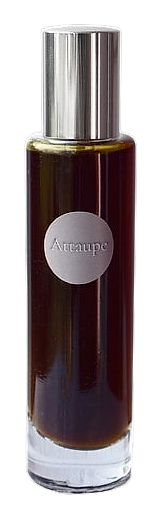
Two new scents, Attaupe and Gong, expand the brand’s tonal range.
2024
Northern Flicker releases, inspired by the migratory bird’s seasonal patterns.
At a Glance
Brand profile snapshot
Origin
United States
Founded
2015
Heritage
11
Years active
Collection
1
Fragrances released
Avg Rating
4.3
Community sentiment
Release Rhythm


