The Story
Why it exists.
The beginning
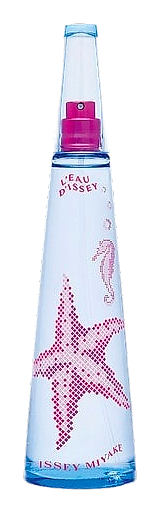
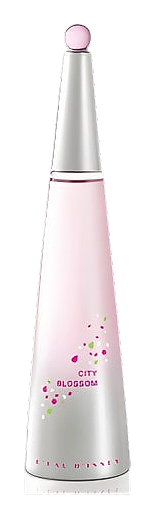
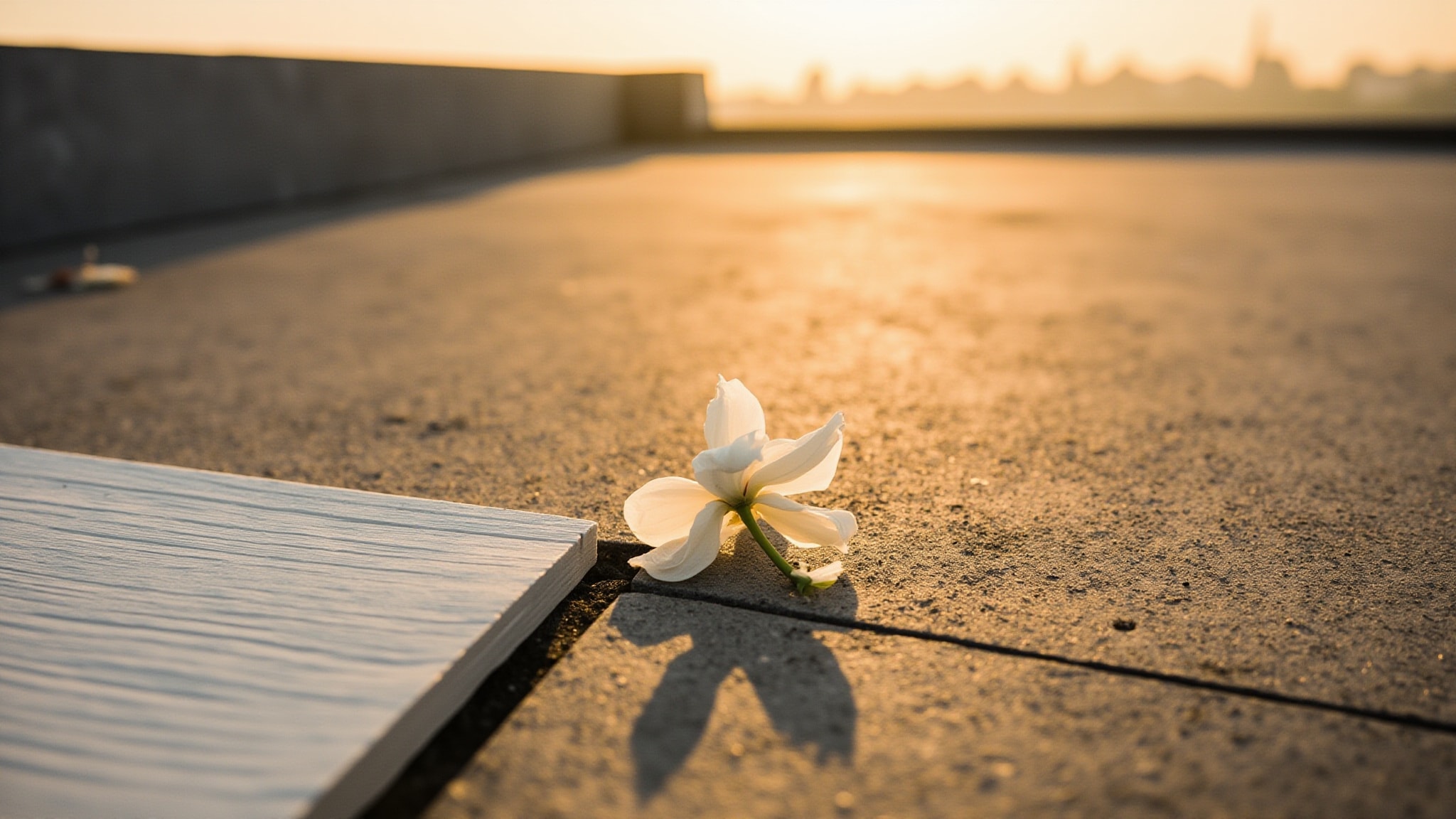
L'Eau d'Issey City Blossom arrived in 2015 as a limited edition flanker to the original L'Eau d'Issey, composed by Alberto Morillas. The concept: wildflowers pushing through city asphalt. Dandelions in the sidewalk crack, unfazed by concrete and exhaust. Packaging decorated by street artist Mademoiselle Maurice reinforced the urban-botanical tension, art that grows where it shouldn't. The name itself is the brief: blossoms as an act of persistence in the city.
Morillas built the heart around white florals, magnolia, osmanthus, freesia, layered against mineral transparency from calone and ambroxan. The honey note in the base is the tell. Not sweetness for its own sake, but the brief sweetness of something in bloom, caught between growth and decay. This is the detail that makes City Blossom more than another aquatic flanker. The ozonic clarity stays, but the honeyed osmanthus gives it a warmth that lingers where the original stayed cool.
The evolution
The opening hits like cold water, calone's ozonic wave, pink pepper's metallic sparkle, bergamot's citrus brightness. Fifteen minutes of aquatic electricity. Then the white florals arrive. Magnolia enters creamy and full, osmanthus lending its honeyed apricot character while freesia keeps things dewy and garden-fresh. The rose is quiet, more suggestion than statement. This heart holds for several hours. The drydown is where Morillas earns his reputation. White cedar, clean, almost pencil-like, settles against ambroxan's mineral warmth. White musk keeps everything close, intimate, clinging to skin rather than filling a room. Honey persists longest, a quiet sweetness that outlasts everything else. The presence remains close and personal, never shouting, but certainly felt.
Cultural impact
L'Eau d'Issey City Blossom builds upon the aquatic heritage established by the original fragrance. The parent fragrance utilized Calone to create its distinctive water-inspired character, and City Blossom carries that aquatic DNA forward. This flanker captures something specific about urban environments and the flowers that bloom within them, translating metropolitan spaces into scent form. The city becomes a garden, and the garden becomes a city. It's an interpretation of urban nature, finding floral beauty in unexpected places and making it wearable.