The Story
Why it exists.
The beginning
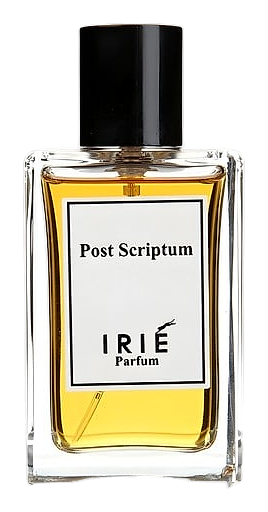
Post Scriptum landed in 2014, carrying a name that carries weight even in translation: 'after what was written,' a postscript, the thought that arrives once the letter's done. Julien Rasquinet built the composition, and out of his hand came a fragrance dressed in green absinthe and amber resin, an unusual pairing that catches the attention. Post Scriptum sits in the oriental-spicy register, but the absinthe top note pushes it somewhere stranger, pulling the warmth sideways into herbal territory before the resins and oud settle in. The green wormwood chill and anise-like lift arrive immediately on application, almost startling in their clarity against the warmer base materials lurking beneath.
What sets the composition apart is the absinthe-meets-oud architecture. Absinthe brings that wormwood-fueled green coolness, anise-like and slightly bitter, a note that cuts through the warmer materials with real presence. Labdanum, myrrh, and opoponax form the resinous heart, each contributing its own kind of density: labdanum thick and almost leathery, myrrh adding that dry incense smoke, opoponax bringing a sweeter, almost root-like warmth. The contrast between the cool top and the warm heart creates a tension that keeps the fragrance alive rather than settling into a flat sweetness.
The evolution
The first 30 minutes belong to absinthe, no question. That green, anise-laced chill cuts through the air with real force, opening the composition with a clarity that demands attention. The wormwood reads as cool and slightly bitter, not medicinal exactly, but firmly herbal, the kind of note that changes the temperature of everything around it. Then the spices build underneath, and within an hour the composition pivots hard into the resin heart. Labdanum, myrrh, and opoponax fuse into something thick and golden, less sweet than it is dense, a warmth that fills in the space the absinthe carved out. The absinthe doesn't vanish entirely. It threads through the resins like a memory, a faint green trace that keeps the whole thing from going too heavy or too sweet. That interplay between cool and warm carries the fragrance through its middle phase beautifully.
Cultural impact
Post Scriptum sits in the warm, resinous corner of the fragrance world, built for lovers of amber and oud who've explored the category deeply. The absinthe note draws a more adventurous crowd, people who want their orientals to have a green edge, something unexpected among the expected sweetness of the genre. It holds a loyal following among oud-and-resin enthusiasts who know what they're smelling, and it remains respected by those who value density over mass appeal. Wear data skews toward night, with significantly more votes for evening than daytime, fitting for a composition this heavy on resin and oud.
The House
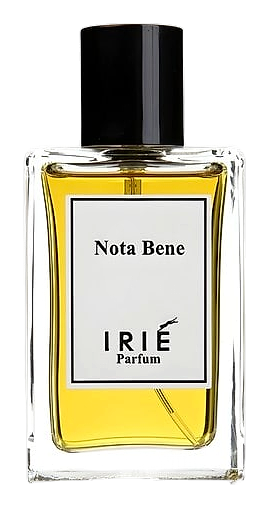
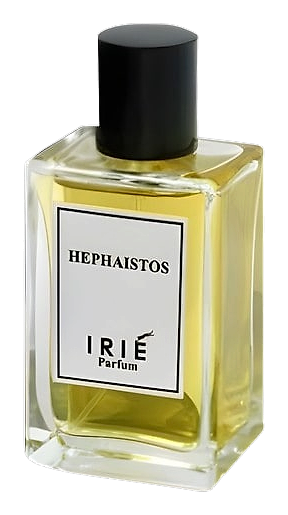
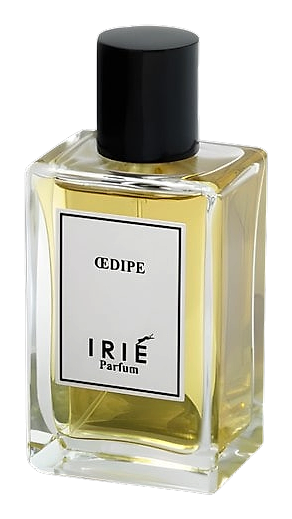
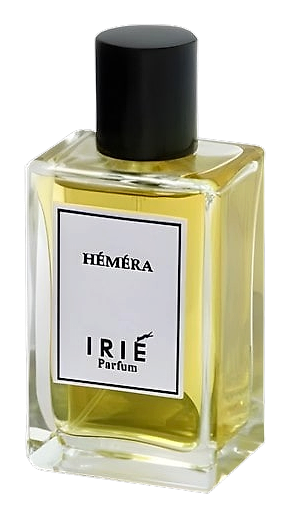
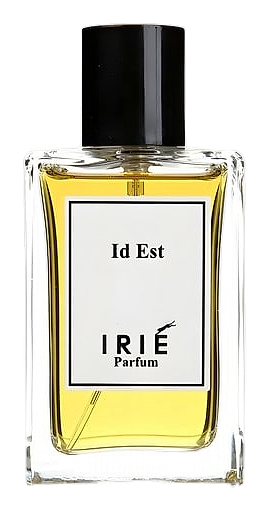
IrieA.A. Irie Perfume Inc is a fragrance company based in Plantation, Florida, established in 1999. The company built its reputation through a distinctive business model, operating primarily as a fragrance warehouse and distributor in Broward County. A.A. Irie has developed and released several proprietary fragrance lines, including notable compositions such as Id Est, Post Scriptum, Nota Bene, Hephaistos, Hemera, and Edipe, spanning releases between 2014 and 2015. The brand occupies a particular niche within the American fragrance market, combining wholesale distribution with its own creative output. Operating from its Plantation headquarters, the company serves customers throughout Florida while maintaining its identity as an independent fragrance house.
The Creator
Julien RasquinetBold, unexpected combinations define Rasquinet's signature. He constructs fragrances that are simultaneously dramatic and harmonious, pushing material boundaries while maintaining wearability.