
The Story
Why it exists.
The beginning
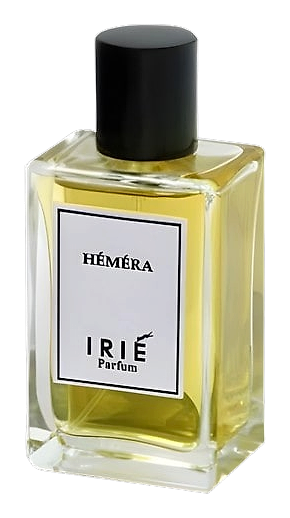
Hemera arrived in 2015 from Irie, a name that carries a specific kind of weight. In Greek mythology, Hemera was the goddess of daylight, daughter of Nyx and Erebus, and by some accounts the mother of the stars. For a scent that opens in cold green shadow and resolves toward something warmer and more illuminated, the reference reads as deliberate rather than decorative. The composition sits within a small library of ambitious releases built around mythological and Latin references, taking its place among a focused catalog of proprietary work. The fragrance itself reads northern, cerebral, and forested, structured rather than decorative.
What makes Hemera structurally interesting is the collision between aromatic camphor and deep tobacco, two registers that rarely sit comfortably together. Eucalyptus and mint provide the mentholated top, sharp and almost pharmaceutical, while the heart introduces olibanum, myrrh, and leather in a smoky triad. The tobacco anchors the drydown with a sweetness that the green top deliberately resists. It's a fougère that forgot to be polite. Most aromatic compositions in this register chase freshness and end there. Hemera keeps going, pulling resin and cured leaf into the base with conviction.
The evolution
The first twenty minutes are a cold corridor. Eucalyptus and mint arrive sharp, almost mentholated, with a pine needles brightness that reads as outdoor air on a freezing morning. There's nothing soft here yet, and the tobacco is only a rumor, buried somewhere beneath the green. By the one-hour mark the temperature shifts. The camphor burns off and the middle opens with olibanum and myrrh, layered over a leather that smells more like worn jacket than new saddle. The tobacco rises into the foreground, sweet and slightly fermented, pulling the composition away from the forest and into a room where someone has been reading and smoking for hours. The resin and leather keep things grounded, never letting the sweetness float away. The drydown is where Hemera earns its longevity.
Cultural impact
Hemera arrived in 2015, a year that saw independent perfumers producing work built around structural risk rather than safe commercial templates. The fragrance positions itself far from the citrus-aquatic templates that dominated the decade, instead constructing an arc from abrasive eucalyptus and camphor through frankincense and myrrh down to deep tobacco and leather. That kind of architecture, which refuses to soften its edges or chase mass appeal, has given it a dedicated following among collectors who value compositional conviction over crowd-pleasing freshness. The scent doesn't read as approachable or versatile in the conventional sense.