The Story
Why it exists.
The beginning
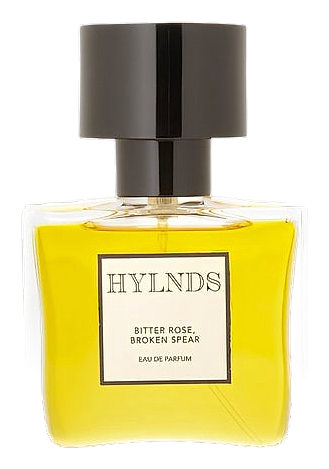
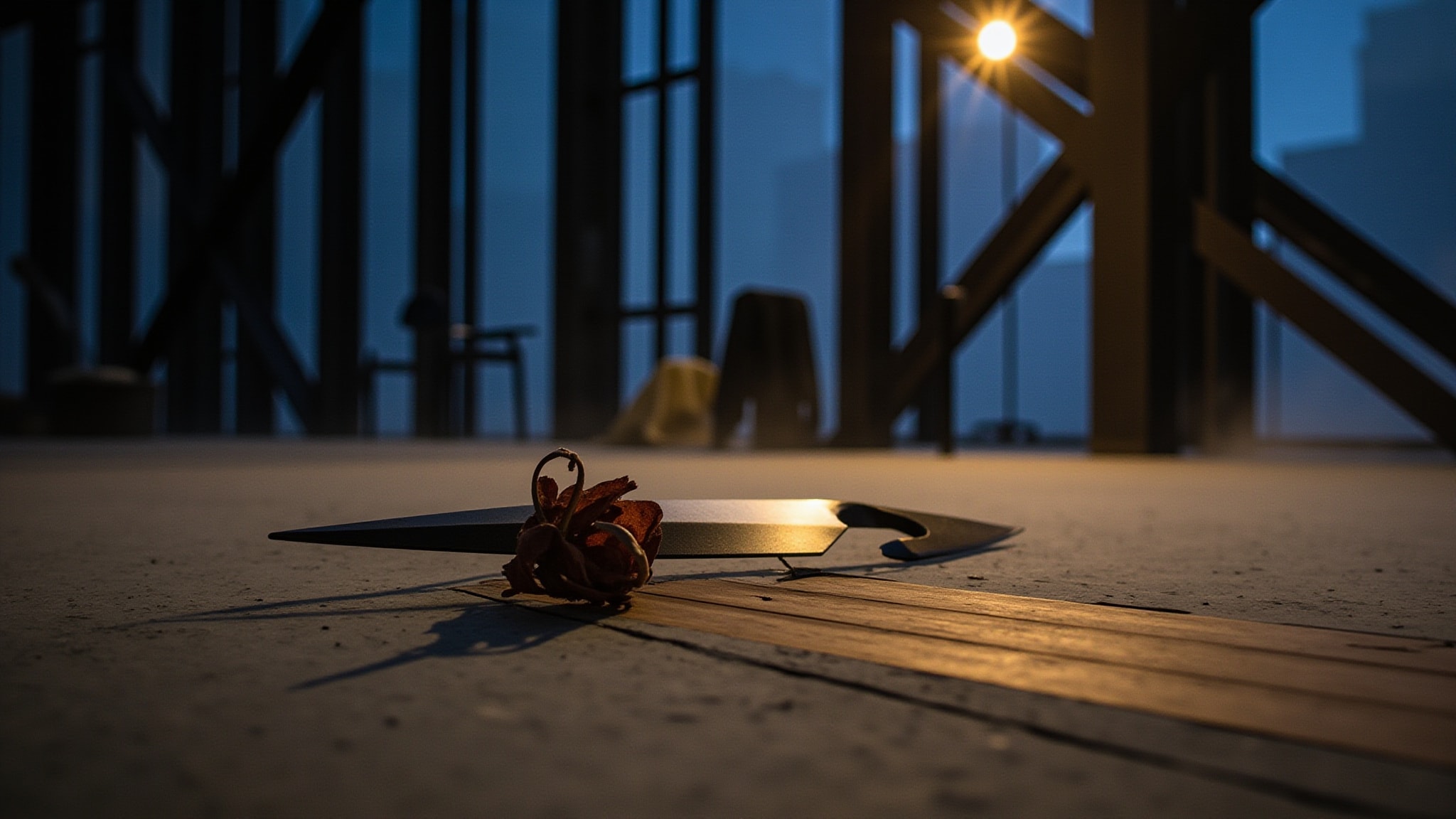
The name says it all. This fragrance draws from the Ulster Cycle of Irish mythology, the Red Branch knights, the broken spears, the empty hills. D.S. & Durga's David Seth Moltz created this as an olfactory archaeology of ancient Celtic conflict and ritual. The bitter rose note brings a sharp, almost astringent quality to the opening, while the rowan berry adds a complementary tartness that tingles at the edges. The hot iron and thistle evoke the smelted weapons and melancholy landscapes of a fallen age. It's a fragrance about endings, battles lost, spears broken, but the roses still blooming in the wreckage.
The combination of hot iron and rose is unusual, iron has a metallic, almost bloody note that pairs unexpectedly with floral. The thistle adds a prickly, green bitterness that prevents the rose from being sweet. This isn't a linear fragrance; it shifts from smoky iron to herbal freshness to a resinous amber base that lingers for hours. The cubeb and thyme create a crackling, aromatic top that feels like approaching a battlefield at dawn.
The evolution
The opening hits like smoke from a forge, hot iron, cubeb, and thyme crackling in the air. As it settles, the bitter rose emerges, not sweet but defiant, surrounded by thistle and nutmeg. The heart phase brings a green, earthy quality as clover notes appear, weaving a subtle botanical thread through the composition. The drydown is where this fragrance truly comes into its own: amber and larch create a warm, resinous base that lingers, with the iron note fading into something almost bloody and animalic. On some skin, the rose stays present throughout; on others, it retreats and the smoky-amber foundation takes over. Either way, this is a fragrance that evolves dramatically over its lifetime.
Cultural impact
Bitter Rose, Broken Spear stands out in D.S. & Durga's catalog as one of their most rugged, masculine-leaning compositions. While the brand is known for fragrances inspired by specific cultural moments, this one draws from ancient Celtic mythology. It's a polarizing fragrance: some find the iron note too metallic, others consider it a masterwork of olfactory storytelling. The composition predates the current wave of smoky, woody fragrances, making it a defining work in the niche perfume landscape. Its bold approach to blending floral and metallic elements continues to influence how modern perfumers approach contrast and conflict in fragrance.