Hot Iron
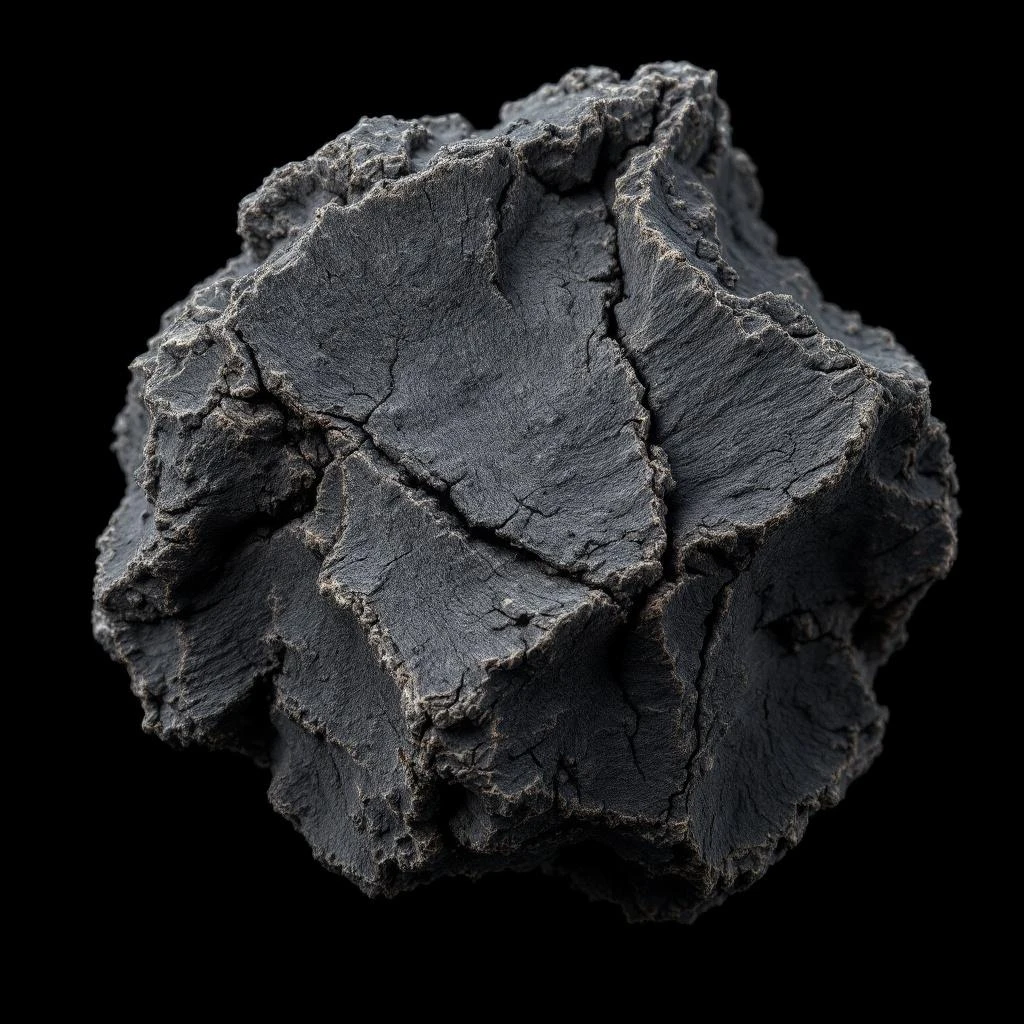
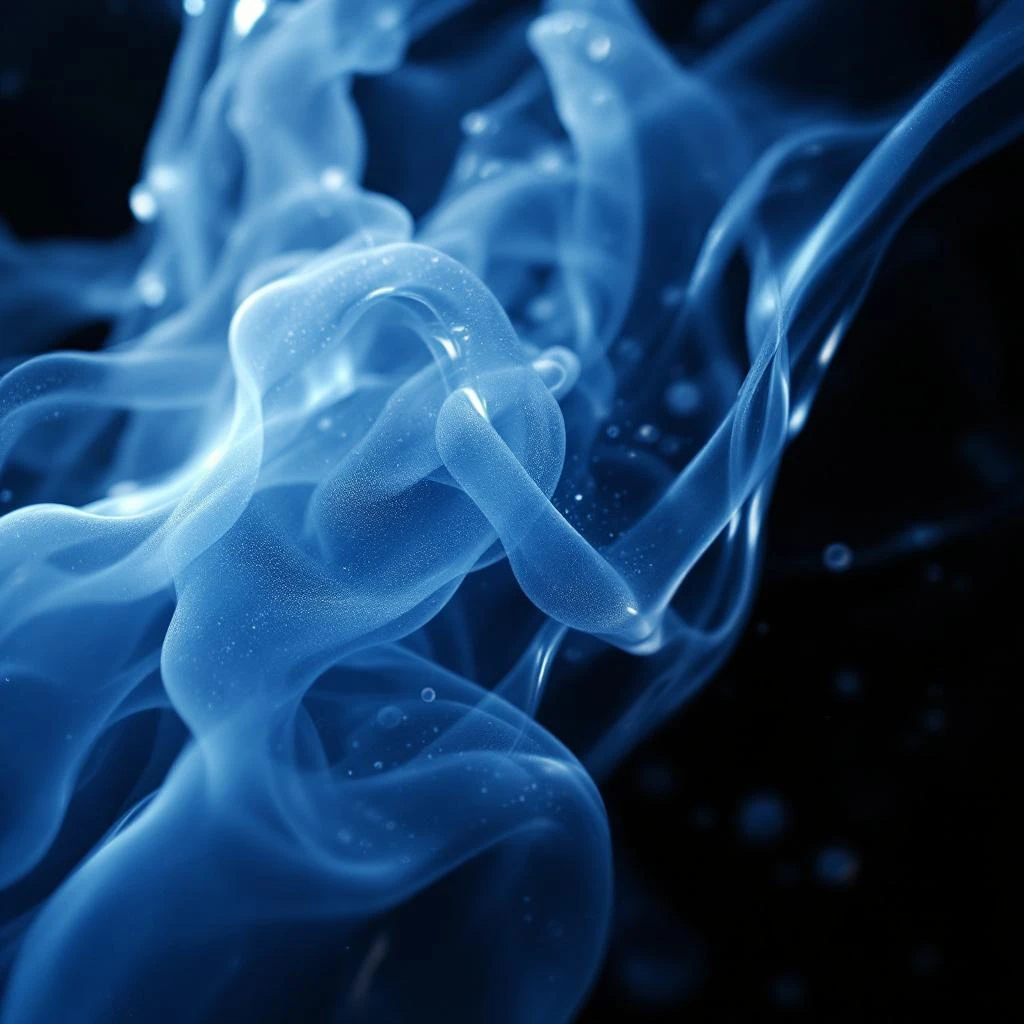
The scent of heated metal meets smoldering warmth. Hot Iron captures the moment when aromatics meet fire, releasing a distinctive accord of smoky, metallic intensity found nowhere else in perfumery.
Character
How it smells
Smoke and steel. Fire meets fragrance.
The Hot Iron effect was first intentionally recreated in perfumery using a specific combination of aldehydes and phenolic compounds in the mid-20th century.






Origin
France
The Hot Iron concept emerged from perfumers studying what happens when aromatic materials are exposed to direct heat. Blacksmiths and metalworkers have long noticed how heated metals interact with nearby organic materials, releasing distinct smells. Perfumers translated this observation into an accord, with the name originating from the French "Fer à Repasser" used in fragrance houses.
The note gained prominence in the latter half of the 20th century as synthetic chemistry advanced, allowing perfumers to isolate specific molecules responsible for smoky, metallic qualities. Today it appears primarily in masculine and unisex fragrances designed to evoke campfires, forges, and industrial atmospheres.
Wears it best
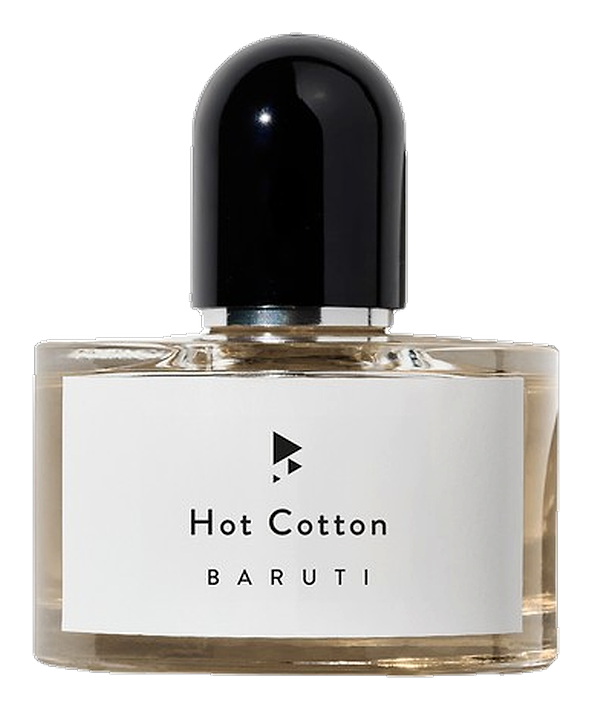
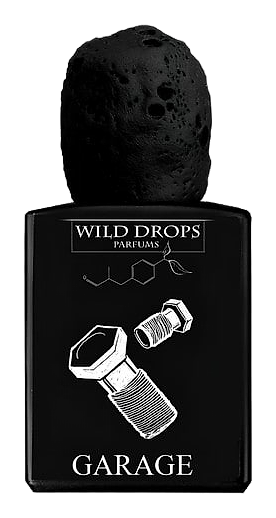
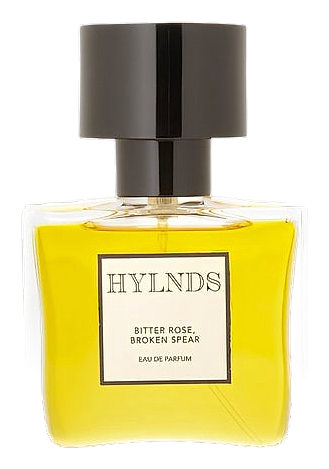
Fragrances featuring Hot Iron
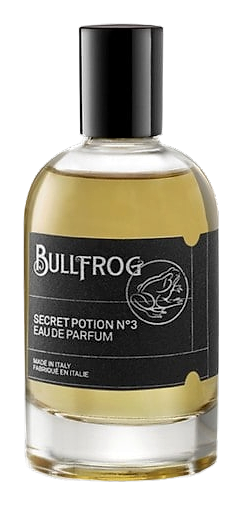
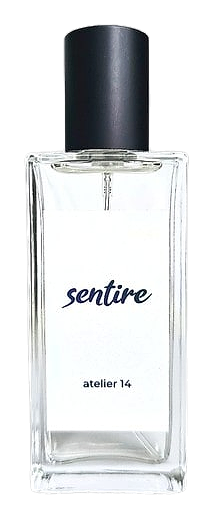
Brands
Brands known for Hot Iron
Good to know
Questions, answered
The essentials on Hot Iron in perfumery: how it smells, where it comes from, and how it behaves on skin.
What does Hot Iron smell like?
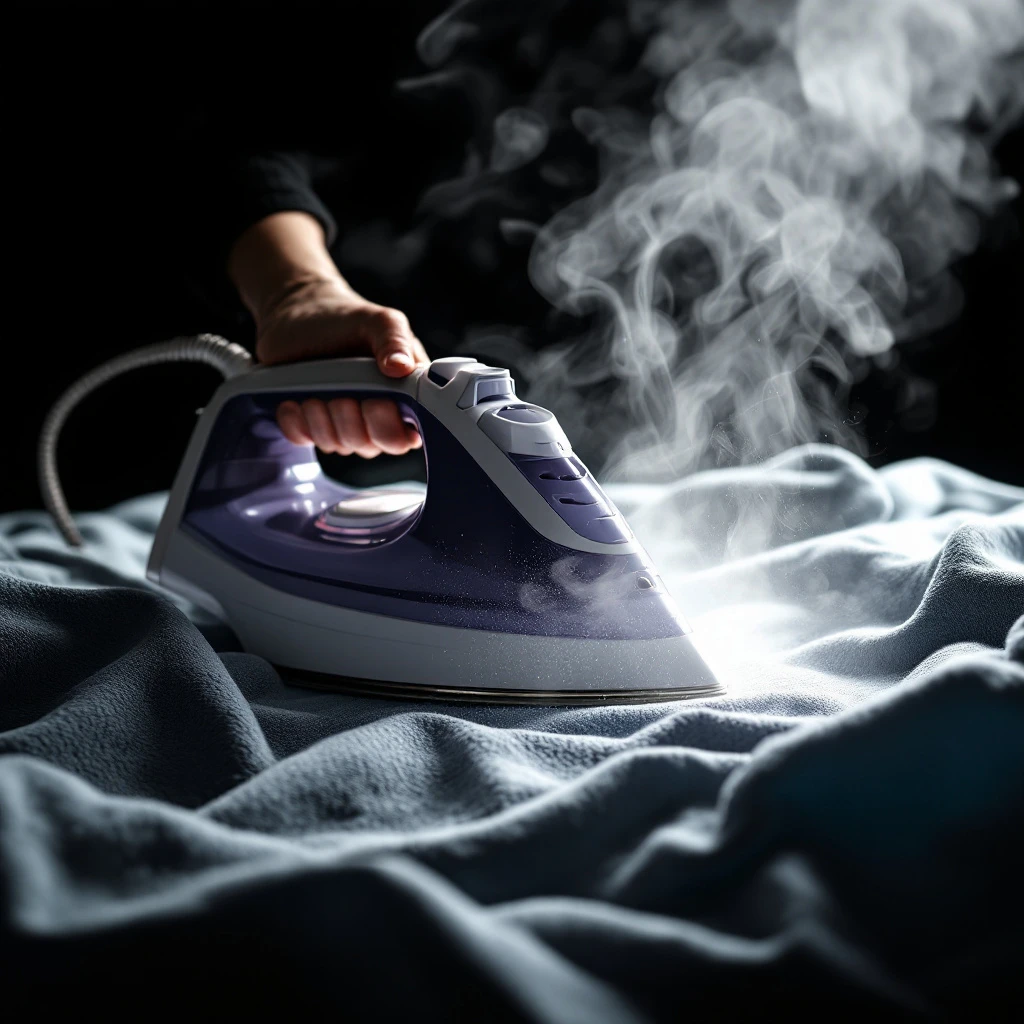
Hot Iron smells like heated metal combined with smoky, slightly acrid warmth. The note evokes campfires, forges, and the smell of fabric being pressed with a flat iron.
Is Hot Iron a natural or synthetic ingredient?
Hot Iron is primarily a synthetic accord. It combines natural smoky materials like birch tar with specialty synthetic molecules designed to replicate metallic, heated qualities.
Which fragrances feature the Hot Iron note prominently?
Many masculine fragrances from the 1980s onward incorporate Hot Iron accords. The note became particularly popular in fougère and chypre compositions seeking rugged, industrial character.
Does Hot Iron come from a single plant or chemical?
No. Hot Iron is an accord built from multiple materials including smoky naturals like cade oil or birch tar, combined with aldehydes and phenolic compounds that create the heated metallic impression.
Is the Hot Iron note safe for skin application?
When properly formulated by professional perfumers, the individual components used in Hot Iron accords meet International Fragrance Association safety guidelines for cosmetic use.
How does heat affect Hot Iron materials in fragrance?
The Hot Iron note actually relies on materials that release their aromatic properties when exposed to warmth, which is why the accord reads as heated and smoldering on the skin.
What fragrance family uses Hot Iron most often?
Hot Iron appears most frequently in masculine oriental, fougère, and leather fragrance families where smoky, rugged intensity is desired.
Can Hot Iron be found in natural perfumery?
Natural perfumers can approximate Hot Iron using heavily smoky materials like birch tar or cade, but achieving the full metallic-heated effect typically requires synthetic components.