The Story
Why it exists.
The beginning
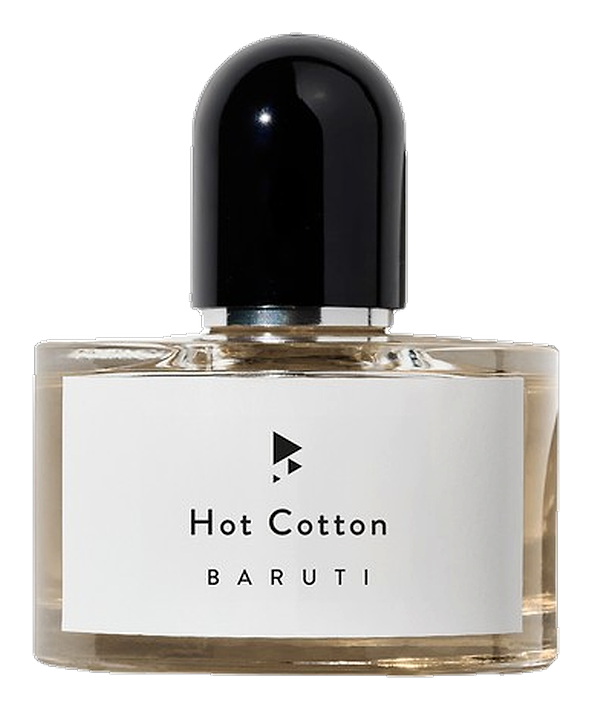
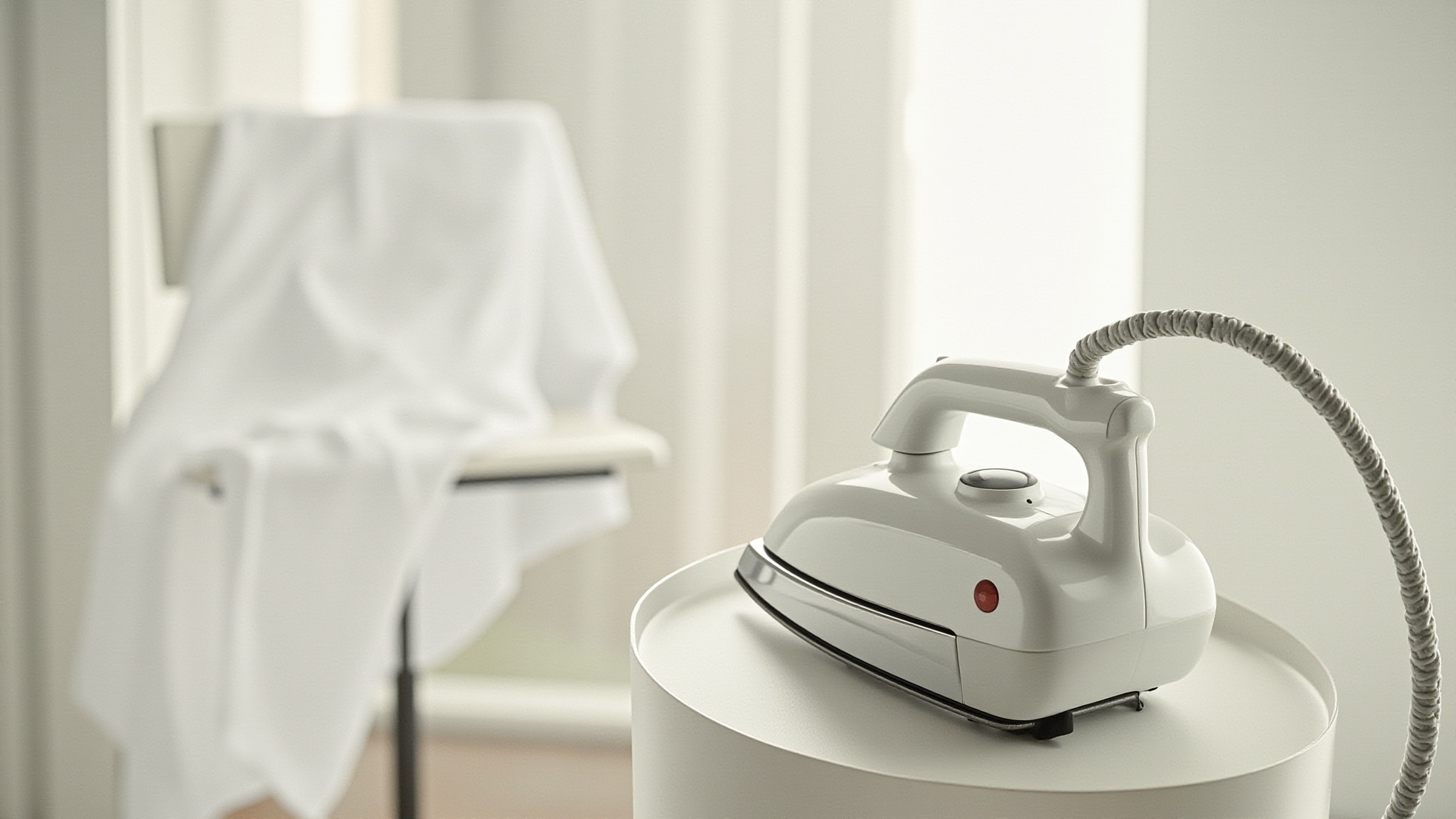
Baruti's Spyros Drosopoulos built this house on a simple premise: take moments people walk past and make them impossible to ignore. Hot Cotton started with a question, what does the air smell like exactly when an iron meets fabric? Not after. Not before. The instant of contact. That became the brief. Drosopoulos, who left neuroscience for perfumery, treats each fragrance as an experiment in memory. Hot Cotton is one of his most literal: the idea came first, the chemistry followed. No romantic metaphors. Just the reality of steam and warmth and the smell of something done right.
What makes Hot Cotton unusual is what it's not made of. No rose, no sandalwood, no typical perfumery vocabulary. Instead: hot iron, musk, and a synthetic accord that creates something almost clinical in its realism. The challenge wasn't building complexity, it was building precision. Capturing the exact metallic warmth of an iron's plate against damp cotton required chemistry that most perfumers wouldn't bother attempting. The result reads as almost boring at first read, which is exactly the point. Baruti wanted to see if they could make the mundane smell extraordinary. They did.
The evolution
The opening hits sharp, hot iron making contact with fabric, that distinctive metallic-electric warmth that belongs to no other fragrance. It's the kind of note that stops people in their tracks because they can't quite place it. Then, quickly, it softens. The metallic edge rounds into something warmer, cleaner, the musk taking over as the cotton accord expands. The hot iron note doesn't disappear, it deepens, settling into the composition like a secret. What arrives is a skin-warm cotton that reads as intimate rather than announced. The drydown is where it earns its reputation: a soft, close warmth that lasts through a workday without announcing itself. Moderate sillage, the kind of scent someone notices only when they're close enough to touch.
Cultural impact
Hot Cotton occupies a strange position: a concept fragrance that actually delivers on its concept. Wearers describe it as the rare scent that smells exactly like what it claims, the moment of iron meeting cotton, captured in a bottle. It's the kind of fragrance people buy a decant of just to see if it's real, then return for a full bottle. Community reception has been unusually consistent: the opening reads as uncanny, almost unsettling in its accuracy, then settles into something wearable and warm. Compared to peers like Æther Ultræ or Clue Perfumery's Warm Bulb, Hot Cotton holds its own as one of the more literal olfactory experiments in the niche space. The question it asks isn't 'is this beautiful', it's 'is this accurate.' For those who answer yes, it's a keeper.