The Story
Why it exists.
The beginning
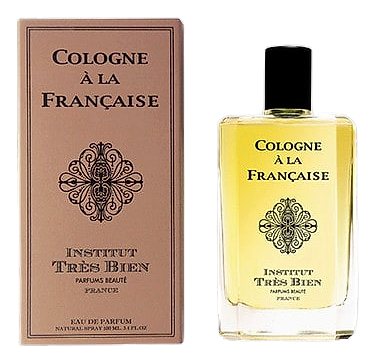
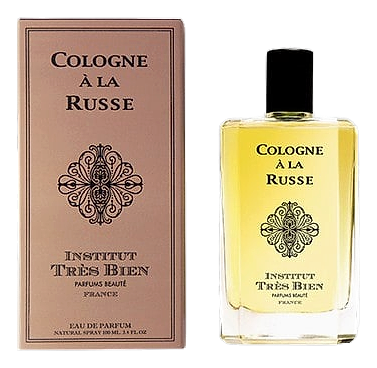
Pierre Bourdon designed Cologne à la Russe for Institut Très Bien in 2004. But the fragrance itself traces further back. The brand's own copy claims it first appeared in 1906, available on demand at the original Institut Très Bien. Whether that history is marketing or memory, the cologne carries weight in its construction. The "à la Russe" naming follows the house's comparative approach, each fragrance in the catalog named for a cultural tradition. What Bourdon brought was discipline, making sure each layer earned its place rather than accumulating without purpose. The fragrance opens with an immediate brightness that cuts through expectation, a citrus intensity that doesn't soften but instead stands firm.
The choice of ambrette in the base is notable. Also called musk mallow, ambrette is a costly natural material that provides a warm, slightly nutty musk without the animalic intensity of traditional musks. In classical perfumery, it served as a bridge between the bright citrus opening and the deeper resinous base, softening the transition, making the fragrance feel cohesive rather than staged. Benzoin performs a similar function: warmth that reads as powder rather than sweetness. The combination means the drydown doesn't arrive like a second fragrance. It arrives like a resolution. Iris, meanwhile, adds that characteristic violet note, powdery, slightly woody, distinctly old-world.
The evolution
The opening arrives fast. Citrus at temperature, bergamot, citron, sweet lime, lemon, all striking at once like someone opening a window in January. Cold air, bright scent. The sharpness doesn't linger. The herbs arrive early. Rosemary first, then verbena pulling the citrus down into something more structured. This is where most colognes plateau. Cologne à la Russe doesn't. Orange blossom enters. Lavender follows. The heart phase reads as classic cologne but richer, floral without being sweet, herbal without being sharp. The drydown begins. Neroli takes the lead now, with iris building underneath. The ambrette surfaces slowly, that warm musk appearing like a guest arriving late who somehow improves the whole evening. Benzoin finishes it, soft amber, powder without chalk, warmth that stays close to skin. Only a whisper remains. A faint violet warmth. The ghost of an orange blossom.
Cultural impact
Cologne à la Russe occupies a specific niche within collector circles, those who track Institut Très Bien's catalog and Bourdon's limited output. The house built its identity on cologne reinterpretation, treating classical structures as frameworks for cultural exploration rather than templates to be refreshed with trendy materials. Cologne à la Russe represents the Russian chapter of that project: bright citrus, aromatic herbs, and a powdery iris-amber drydown that warms without heaviness. Among Bourdon's work, it stands as a classical exercise, disciplined, traditional, uninterested in novelty.