Heritage
A house, in its own words
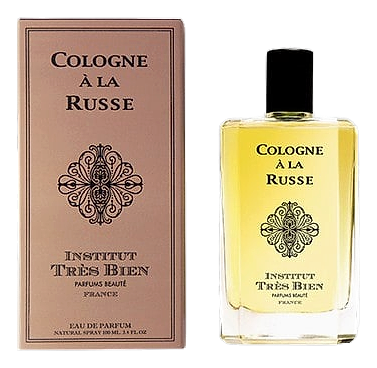
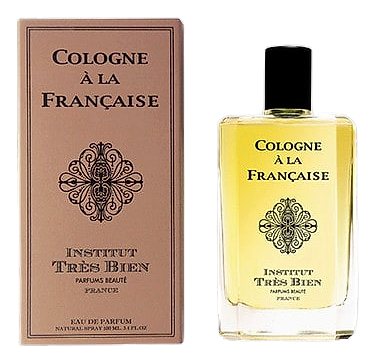
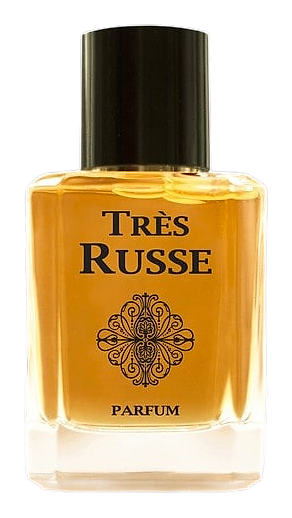
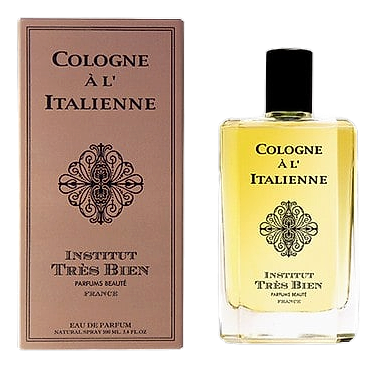
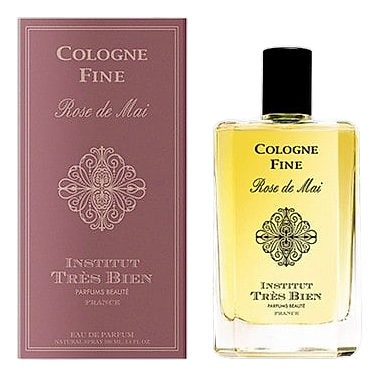
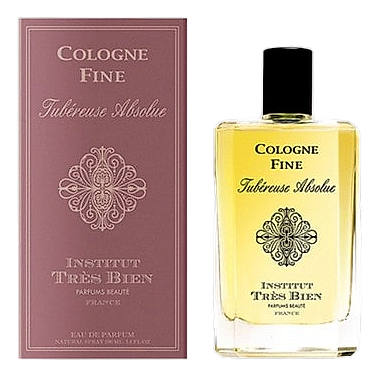
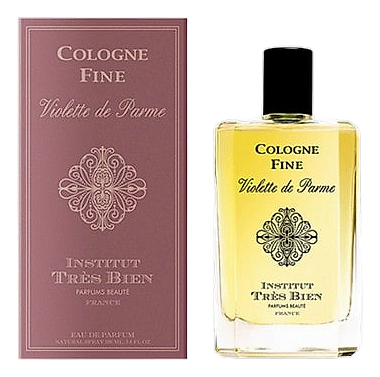
Institut Très Bien operated as a private Parisian fragrance house without extensive public documentation of its founding circumstances. The earliest releases appeared in 2004, with the house immediately establishing its thematic approach through colognes named after national traditions. The name itself, translating roughly to Institute of Very Good, suggests either playful self-deprecation or confidence in understated presentation. Research into industry databases reveals no recorded founder identity, which is unusual for niche houses that typically cultivate founder narratives. This anonymity may have been intentional, positioning the brand as an institution rather than a personality-driven enterprise. The house maintained its French identity throughout its active years, with fragrance listings consistently noting country of origin as France. Between 2004 and 2017, the house released seven scents, a restrained pace suggesting either small-batch production or selective curation. The absence of documented perfumer credits in available sources means the creative individuals behind the formulations remain unnamed in public records. The discontinuation of the brand leaves questions about succession plans or simply a decision to conclude operations on the house's own terms. The Institut Très Bien approach to perfumery centers on the cologne format as a vehicle for exploring cultural and olfactory territories. Rather than treating classical cologne as a static template to be refreshed with trendy notes, the house viewed each national interpretation as an opportunity to articulate how fragrance preferences differ across European cultures. The Française version presumably addresses French expectations, the Italienne speaks to Italian sensibilities, and the Russe engages with Russian fragrance traditions. This comparative framework suggests intellectual curiosity about perfume as a cultural artifact rather than purely a commercial product. The addition of Fine designations to later releases indicates an evolution toward concentration and perhaps raw material quality. The Rose de Mai, Tubereuse Absolue, and Violette de Parme variants explore specific florals through the cologne lens, suggesting the house viewed this format as versatile rather than limiting. This systematic approach reveals a house that operated with clear artistic parameters, developing a coherent body of work within self-imposed constraints rather than chasing market trends.