The Story
Why it exists.
The beginning
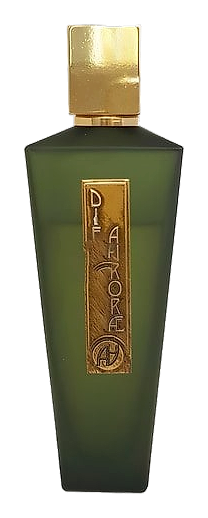
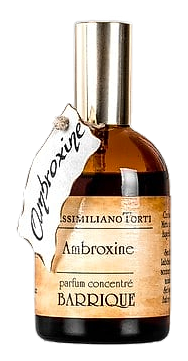
Ambroxine arrived in 2008, composed by Massimiliano Torti for the niche house Il Profumiere, a perfumer whose catalogue leans heavily into the thick, textural end of Italian composition. The name itself points straight at the star molecule: Ambroxan, that dry, mineral-warm amber compound which has become one of the most recognizable materials in modern perfumery. But Torti doesn't lead with a single molecule. He wraps it in resin, in benzoin and myrrh, in the dusty sweetness of labdanum and the cream of sandalwood, building a composition that reads less like a showcase and more like a memory of a chapel at dusk. The incense thread runs through every stage, from the resinous opening to the smoky-amber drydown, giving the whole thing a quiet gravity that feels distinctly Torti's own.
What gives Ambroxine its particular shape is the unusual company Ambroxan keeps. Coriander and oregano open the door, giving the first ten minutes a herbal, almost savoury warmth before the resins take over. Angelica in the heart adds a rooty, slightly bitter edge that keeps the vanilla from collapsing into pure dessert. It's a structure that treats Ambroxan less as a solo and more as a bass note, something the denser materials are arranged around, not the other way around. The result feels heavier, more grounded, more lived-in than compositions that lead with ambrox's clean, mineral facets.
The evolution
The opening hits warm and slightly savoury, benzoin and coriander lending a peppered, almost incense-shop quality. There's nothing bright here, no citrus lift, just immediate weight. Within fifteen minutes the myrrh arrives, sticky and resinous, pulling the oregano's herbal edge into something closer to old church wood. The vanilla surfaces quietly around the thirty-minute mark, but it never takes over. Angelica threads a dry, rooty bitterness through the sweetness that keeps the composition honest, preventing the benzoin from veering into simple caramel territory. Two hours in, the labdanum and patchouli have built a dense, smoky-amber foundation that sits close to the skin, with the Ambroxan now fully integrated rather than readable as a separate layer.
Cultural impact
Ambroxine sits in an interesting position because of how it handles its central molecule. Where ambrox-led compositions often emphasize the material's clean, mineral, skin-like facets, Torti built a denser, more resinous structure around it, leaning into incense, benzoin, myrrh, and labdanum rather than letting Ambroxan carry the composition on its own. The result is something that feels closer to old-school amber work, devotional and enclosed, rather than the clean-skin minimalism the molecule usually inspires.