The Story
Why it exists.
The beginning
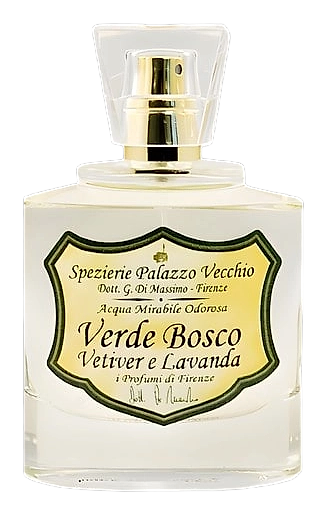
Verde Bosco, literally green forest, was created by Giovanni Di Massimo in 1991 as a fragrant portrait of the Tuscan woods flanking Florence's historical center. Rather than a literal forest simulation, Di Massimo approached the brief as a walk through a designed landscape, incorporating garden herbs alongside wild elements. Basil and lavender anchor the opening as cultivated garden references, while the fruit heart represents the edible landscape found at forest edges. The drydown, heavy with oakmoss and vetiver, grounds the composition in actual woodland territory. As with all I Profumi di Firenze releases, the small-batch, pharmacy-inspired methodology means each iteration honors traditional extraction rather than synthetic simulation.
The note architecture reflects a specific olfactory philosophy: garden herbs should open a forest narrative, not a seasoning list. Di Massimo's choice of basil and lavender as leading opening notes establishes green herbalism as the thematic anchor rather than aromatic afterthought. The citrus, grapefruit and mandarin orange, serve as brightness regulators, ensuring the herbaceous notes breathe rather than cloy. The fruit heart pairs blackcurrant's tart depth with pineapple's sweetness, creating a fruit note with dimension rather than generic candy sweetness. The lily of the valley and lily temper geranium and rose, keeping the floral heart feeling cool rather than heady.
The evolution
The fragrance opens sharply, almost abruptly, with an herby-citrus burst that feels like brushing against lavender plants beside a citrus tree. Grapefruit and mandarin orange cut through immediately, signaling brightness before basil and lavender introduce aromatic complexity. This shifts within minutes to the fruit-laden heart, where blackcurrant and pineapple create a tart, jammy sweetness against geranium's green snap. Lily and lily of the valley temper the fruitiness with cool floral water notes, while rose adds the faintest romantic undertone. The drydown marks a dramatic pivot to earth and bark. Oakmoss and moss create the signature chypre depth, vetiver adds bitter-grassy root character, and cedarwood supplies dry woody warmth. Ambergris, present in trace amounts, adds a marine-animalic finish that lingers close to skin for hours.
Cultural impact
Wearers often note its ability to evoke a walk through a Tuscan forest, making it a favorite for outdoor‑oriented days. It’s been compared to classic green chypres, yet its bright herb‑citrus start sets it apart, earning a modest cult following among collectors who value authentic Italian storytelling.