The Story
Why it exists.
The beginning
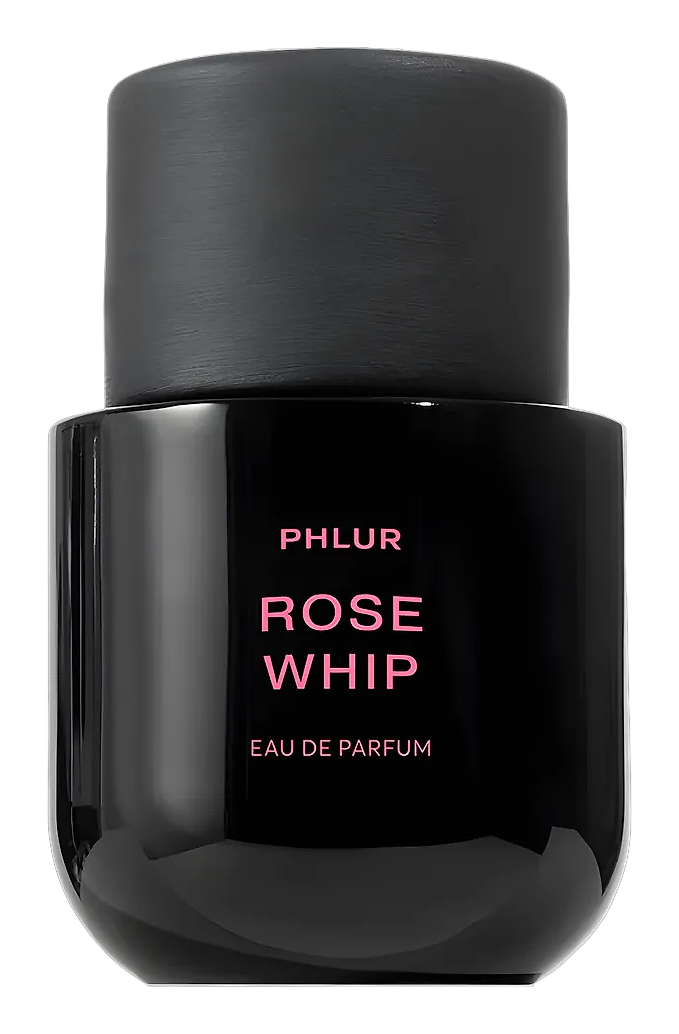
Rose Whip was conceived as a challenge, not to the wearer, but to the genre itself. What happens when you strip rose of its expectations? Perfumer Constance Georges-Picot built this composition around a tension: the floral people expect to be loud, made quiet. Blackcurrant and pink pepper arrive first, not to announce themselves but to set a tone, slightly tart, slightly warm, immediately distinctive. The heart holds rose and osmanthus in a honeyed, apricot-sweet embrace, but nutmeg keeps things honest. No powder. No cliché. Just a rose that knows when to stop talking.
The leathery base is where Rose Whip diverges most sharply from convention. Amber and cashmere wood don't just support the rose, they deepen it into something with weight and history. Musk provides the skin-close warmth that makes this fragrance feel worn rather than applied. Together, these materials create a rose that exists in time: it begins as flirtation and resolves into something more personal, more intimate, harder to walk away from. Osmanthus, often underused in Western perfumery, brings that honeyed, slightly animalic quality that stops the composition from feeling merely pretty. This is rose as character study, not catalogue listing.
The evolution
The opening is quick and purposeful, blackcurrant's brightness meets pink pepper's clean heat, a combination that reads as fresh without being sharp. Thirty minutes in, the rose emerges from underneath rather than announcing itself from above. Osmanthus sweetens the transition, keeping the spice from ever feeling cold. By hour two, the drydown takes over: amber deepens, cashmere wood softens everything into a warm, almost tactile finish. The musk arrives last, quietest, and lingers longest, this is the phase that stays with you overnight. Four to six hours of evolution on most skin, with the final hour being the most personal. What remains on a collar or a pillow the next morning is amber and skin, nothing else, which somehow says more than the full composition ever could.
Cultural impact
Rose Whip arrived in 2025 positioned as a direct challenge to the powdery, ultra-feminine rose conventions that have dominated mainstream perfumery for decades. Where once the rose scent category defaulted to predictable sweetness and linearity, Phlur's offering suggested a more sophisticated, multi-dimensional approach. The choice of blackcurrant and pink pepper at the top is a deliberate provocation, a signal that this rose does not intend to play by established rules. This reframing of the rose fragrance category reflects a broader cultural shift in how fragrance consumers engage with scent, seeking out complexity, provocation, and refusal of categorisation over pure aesthetic comfort.