The Story
Why it exists.
The beginning
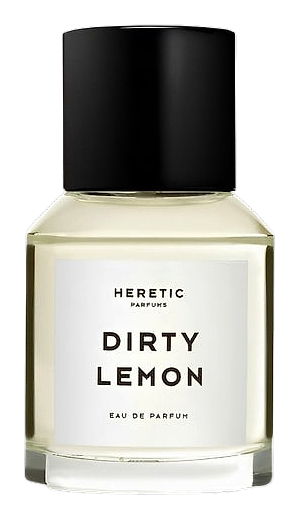
Douglas Little built Dirty Lemon around a memory: a sweltering afternoon in a citrus orchard, friends, rosé, and the wild, almost intoxicating smell every part of a lemon tree gives off in the heat. The launch sat within his "Dirty" series, a collection of fragrances designed to take classic, beautiful ingredients and let their hair down. Little's brief to himself was simple. He wanted the spontaneous, energetic side of lemon, minus its squeaky-clean reputation. The answer was to surround the citrus with woods and spice until the brightness felt lived-in, the kind of lemon that has been somewhere and done something.
What makes the composition sing is the contrast at its spine. The top is built from lemon, bergamot, lime, and citrus leaf, a quadruple hit of bright, bitter, and almost green. That could read as a simple summer refresher. The heart, though, pulls in ylang-ylang, juniper, and black pepper, floral and sharp at once. And the base, Australian sandalwood and patchouli, is where Little earns the "Dirty" in the name. These materials do what citrus alone cannot: they give the composition skin contact, a little shadow, a suggestion of something that has been handled. Most lemon-led fragrances stop at crisp. This one has a pulse.
The evolution
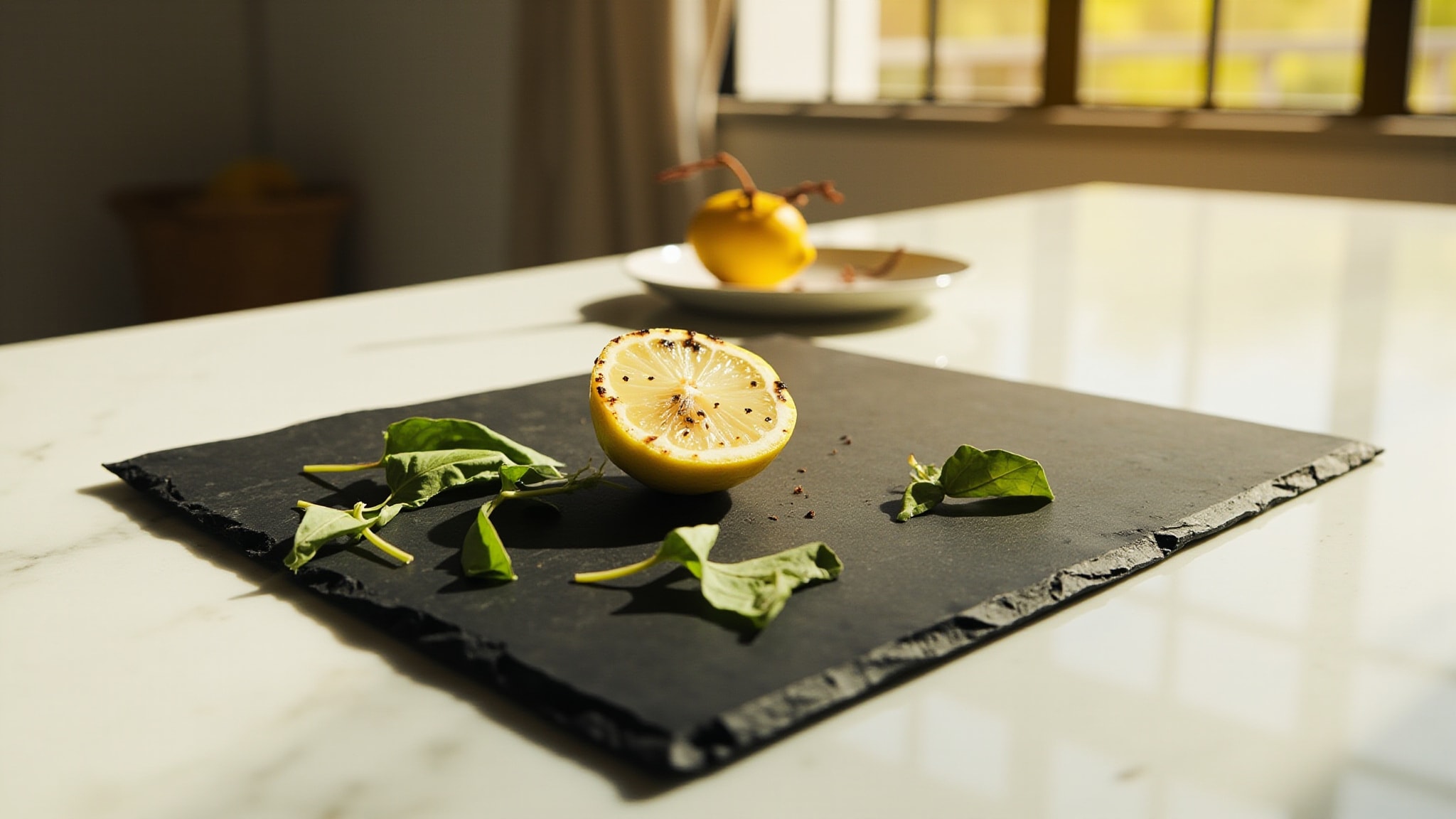
The first ten minutes are loud and obvious: lemon zest, lime, the green bite of crushed citrus leaf. Sweet, sharp, a little pulpy. Then ylang-ylang arrives with a soft tropical drape, while black pepper and juniper cut in at the edges with a dry, almost gin-like coolness. That middle phase is where the fragrance finds its voice. The crispness stays, but it deepens into something fuller. As the hours pass, the sandalwood and patchouli rise from underneath, and the citrus doesn't vanish, it grinds down into a warmer, slightly dirty warmth. What remains on skin the next morning is a whisper of sandalwood and that trace of patchouli sweetness, something you'd catch on a sweater and follow.
Cultural impact
Dirty Lemon earned its place as one of the more distinctive citrus launches of its era, offering wearers a version of lemon that felt genuinely adult and grounded rather than shower-fresh or cologne-adjacent. Where most lemon fragrances lean on sparkling, almost edible brightness that fades within the first half hour, Little's composition treats the citrus as a structural element, wrapping it in woods and spice so the opening snap carries through to a long, textured drydown. On skin, the first impression is a vivid, almost unruly burst of lemon zest, bitter pith, and crushed leaf, the kind of orchard air that feels humid and alive.