The Story
Why it exists.
The beginning
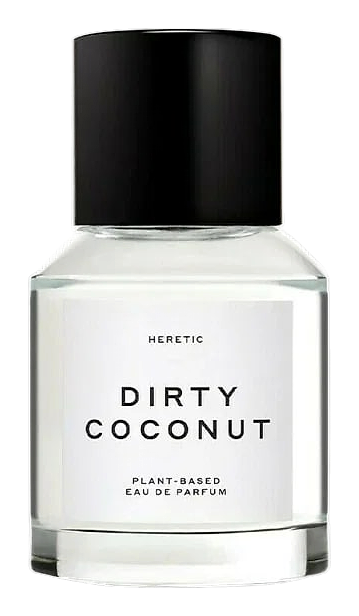
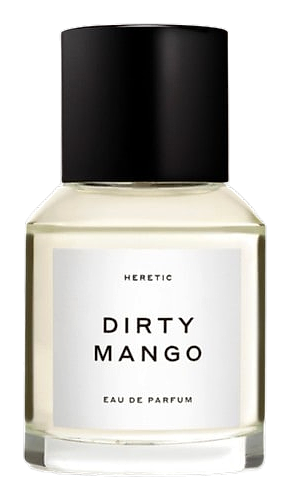
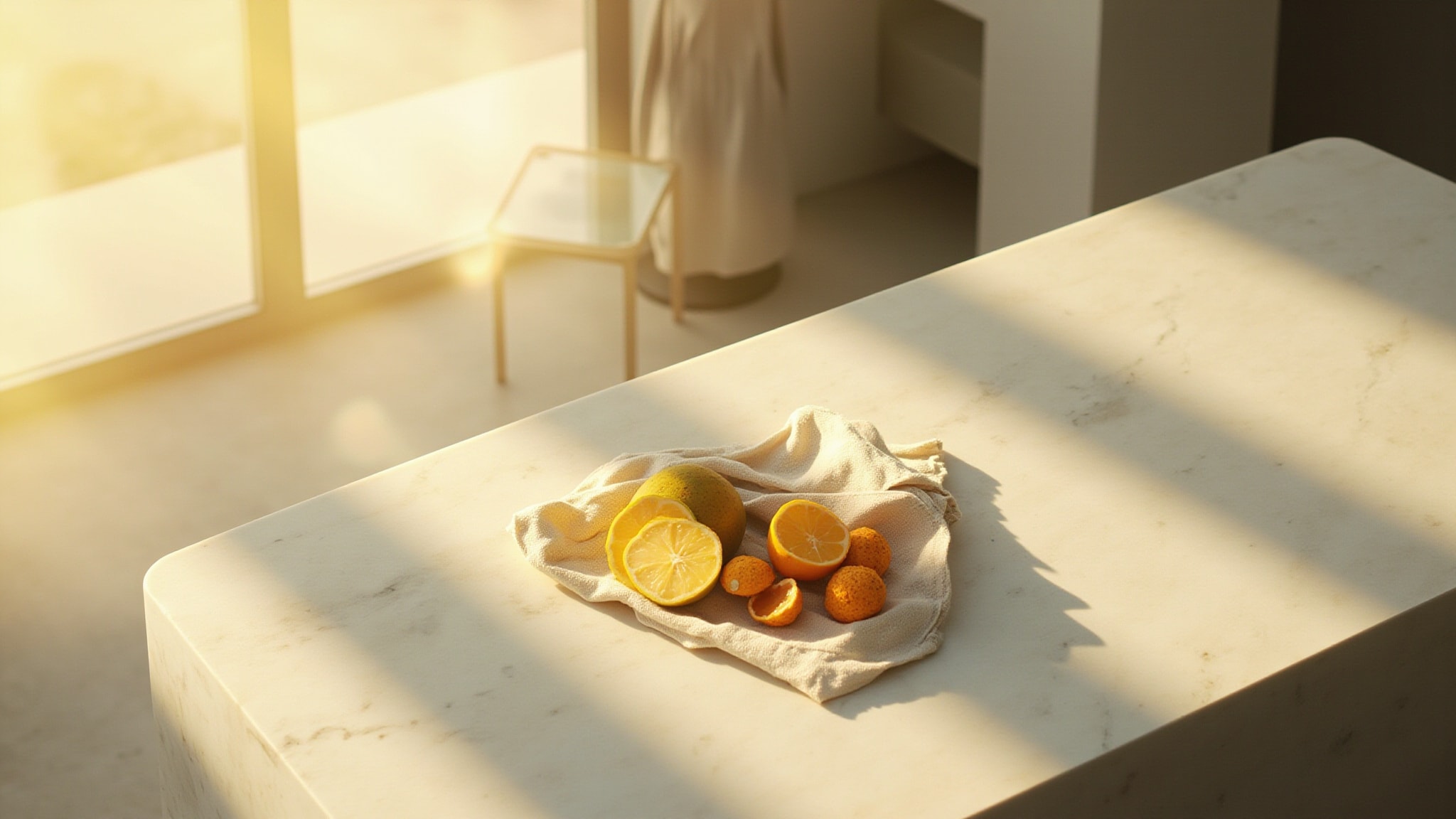
Douglas Little built Heretic around the idea that natural perfumery wasn't second-rate, it was misunderstood. Dirty Mango is that philosophy applied to tropical excess. The name says it all: mango this ripe, this fleshy, this close to rot. But instead of going synthetic to keep it clean, Little leaned into the fruit's decadence. Mandarin and lemon open like a farmer's market at dawn, then the mango floods in, thick, sweet, dripping from the branch. Geranium adds a green lift, not a sharp one, keeping the tropical from turning candy. Musks and blonde woods ground it all in something skin-close. This is summer distilled into a bottle, but with the edge the name promises.
Mango and geranium is an unusual pairing, the fruit's sweetness against the herb's green bite. Most fragrances lean one direction or the other. Dirty Mango holds both. The musks aren't animalic in the traditional sense; they're warm, close, almost humid. Blonde woods means light cedar and sandalwood, not the heavy resins of a winter scent. Everything here reads warm-weather, skin-close, meant to project moderate sillage rather than announce itself from across a room. On dry skin, the mango fades first, leaving the musks and woods to do the quiet work of a scent that lingers without screaming.
The evolution
The opening hits bright, mandarin and lemon cutting through like citrus zest. Within minutes, the mango arrives, not shy, not synthetic-fruit-candy, but real and fleshy. The geranium keeps it from being pure dessert, adding a green undertone that reads almost herbal. This phase lasts 30 to 45 minutes before the drydown begins. The mango softens, the woods emerge, blonde, creamy, warm. Musks take over slowly, wrapping the whole composition in something skin-close and intimate. By hour two, you're left with a warm skin-scent: musks, light woods, a ghost of tropical sweetness. The longevity holds well through a workday, fading quietly rather than disappearing all at once. The sillage stays moderate in the opening hour, then settles into something intimate for the remainder.
Cultural impact
Dirty Mango arrived in 2020 as part of a broader movement in niche perfumery rejecting synthetic-heavy compositions. Heretic Parfum built its identity on botanical ingredients when the industry largely dismissed natural perfumery as inconsistent or impractical. Douglas Little's brand transformed that skepticism into brand identity, wearing the heretic label proudly. The fragrance community responded to this positioning, with enthusiasts seeking alternatives to mainstream releases. Dirty Mango carved a specific niche: tropical sweetness without the synthetic fruit-bomb association, grounded by geranium's green edge and musk's warmth. The 2020 launch aligned with growing consumer interest in transparency around ingredients and artisanal production methods.