
The Story
Why it exists.
The beginning
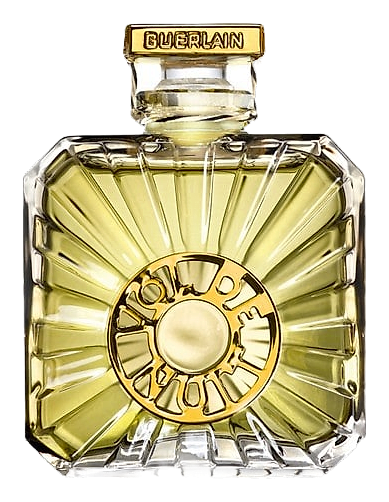
Vol de Nuit means Night Flight. In 1933, when Jacques Guerlain composed it, that phrase carried the romance of early aviation, daring, freedom, the thrill of going up. The name alone conjures escape, a departure from the ordinary into something rarefied. Guerlain built a fragrance for that moment: luminous, green, quietly confident. Not for those who need to be noticed. For those who fly anyway.
What makes Vol de Nuit Extract interesting is the aldehydes. They're doing something specific here, creating a waxy, slightly candlelit bloom that lifts the iris and orange blossom into something that shimmers rather than sits. Modern fragrances rarely achieve this. The combination of oakmoss depth with sandalwood and musk in the base gives the drydown a warmth that stays close to the skin for hours. This is what Guerlain meant by staying power.
The evolution
The opening is bright, bergamot, lemon, mandarin dancing against galbanum's green bite. Then the aldehydes arrive, and everything changes. The citrus doesn't disappear, it becomes something else: waxy, luminous, lifted. The heart belongs to iris. Powdery, slightly metallic, almost crayon-violet in its precision. Orange blossom and narcissus deepen the florals without stealing focus. The drydown is where Guerlain earns its reputation. Vanilla and oakmoss arrive together, the powdery warmth settling like something worn close. Sandalwood keeps it grounded. Musk stays close, intimate, the kind of presence you only notice if someone leans in. The aldehydes that opened so brilliantly eventually fade, but they leave their mark, making the iris and oakmoss feel slightly warm, almost waxy in the drydown rather than sharp. What remains is close: powdery, musky, the kind of presence you'd only notice if you pressed your nose to a collar or scarf. This is a fragrance that doesn't announce itself to the room. It waits for someone to come close.
Cultural impact
Vol de Nuit Extract remains a quiet pillar of the chypre tradition. It doesn't trend. It endures. Originally conceived by Guerlain in 1933, the fragrance emerged during an era of great artistic change, embodying the tension between classical elegance and modernist boldness. Its green, aldehydic character was considered daring at the time, yet it found a devoted following that persists among collectors who appreciate its uncompromising vision of nocturnal sophistication.