The Story
Why it exists.
The beginning
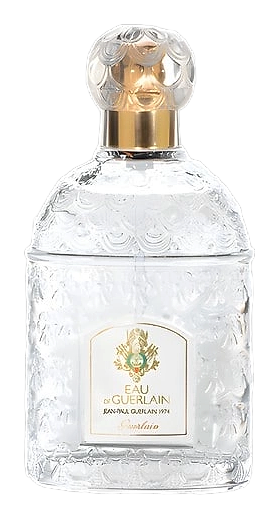
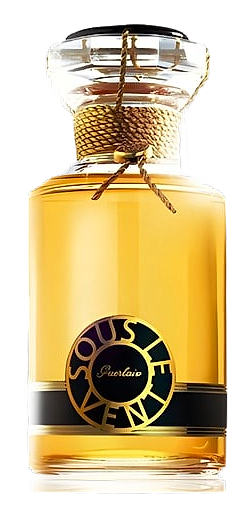
Sous le Vent arrived in 1933, the work of Jacques Guerlain. The title translates loosely as 'in the wind's wake,' evoking something sheltered, something carried along in the slipstream of motion. That tension runs through the composition itself: a chypre built on green sharpness, not on the mossy depth most people associate with the family. Jacques Guerlain reached for tarragon, an herbaceous note rarely given lead billing in a fine fragrance. The result reads almost masculine on first spray, then softens as carnation and jasmine do their work, before iris grounds the whole thing in a powdery, root-vegetable quiet. The green opening announces itself without apology, a tarragon-led statement that pulls the composition away from anything remotely powdery or demure.
What's interesting here is the structural gamble. The green notes, tarragon, lavender, and a touch of galbanum carry the weight themselves, sharp and herbaceous, almost like a cologne that's decided to grow up. Then iris takes over the base, and the composition finds its real character: dry where you might have expected damp, powdery where you expected resinous. Carnation adds a clove-cool spice that bridges the two halves, a middle voice doing the diplomatic work.
The evolution
The first ten minutes are the loudest it gets, and even then it's not loud by modern standards. Tarragon leads with an anise-tang, backed by bergamot's bright peel and lavender's cool blue. There's a vegetal bitterness, galbanum territory, that tells you immediately this isn't a soft floral. Within twenty minutes the carnation arrives, clove-warm, slightly medicinal, and the jasmine threads in underneath, indolic and a little carnal. This is the most complex phase, the one where the fragrance feels like it's having an argument with itself. By the two-hour mark, the green notes have mostly retreated. What remains is iris, that famous 'orris butter' root, powdery and cool, sitting over a thin woody base. It stays this way for the rest of the wear, a close-skin iris that never projects aggressively but never fully disappears either.
Cultural impact
Discontinued in its original run and revived through the 'Il était une fois Guerlain' collection in 2005, Sous le Vent now lives mostly in vintage bottles and on the wrists of collectors who prize green chypres. The 2005 re-edition kept the original composition intact, a deliberate preservation of the pre-restriction formula, though availability remained limited. It sits in conversation with other aromatic chypres that leaned on tarragon and galbanum, a category that valued herbal sharpness over sweeter or more decorative approaches.