The Story
Why it exists.
The beginning
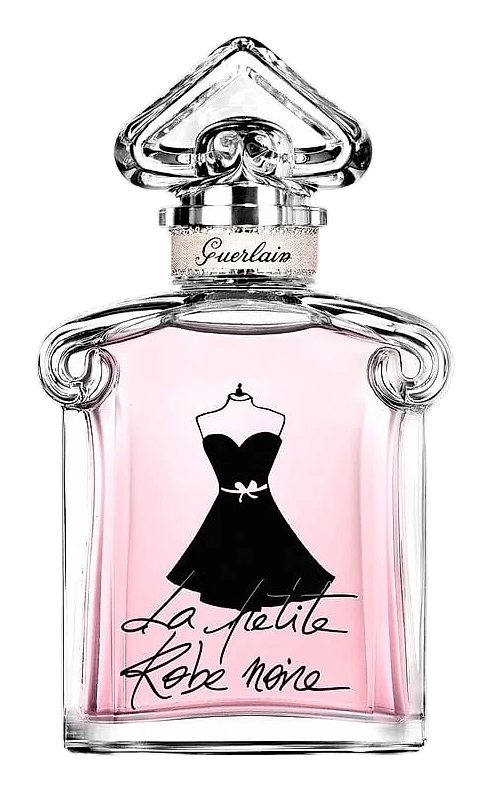
The little black dress is one of fashion's oldest icons, simple, versatile, unmistakably yours. In 2012, Guerlain translated that idea into fragrance: La Petite Robe Noire, a rose built on dark notes, meant to be worn season after season, reinvented each time. Rose Noire arrived in 2023 as the latest chapter in that story, crafted by Delphine Jelk. Her intent was clear: the rose is the main character. Everything else, the leather, the oud, the black tea, exists to frame it.
What makes Rose Noire different from its predecessors is the leather accord. Not a subtle nod, not a background whisper, a full leather presence that sits alongside the rose from the heart onward. This is unusual. The black tea accord adds tannic structure, creating an almost astringent quality that cuts through the sweetness and keeps the composition from becoming heavy. Tonka bean and licorice create a sweet-anise warmth that balances the leather's edge, softening it just enough to allow the rose to remain present and vivid.
The evolution
The opening announces blackberry and bergamot with immediate clarity. The fruit is tart, bright, not jam, not syrup. Pink pepper adds a slight tingle at the edges of the citrus brightness. As the fragrance develops, the rose arrives, Damask rose absolute, rich and slightly animalic, carrying the black tea's quiet bitterness and lending a velvety depth to the fruity opening. The leather enters as the rose settles, wrapping around it like a glove. The base develops: oud and patchouli for depth, musk and tonka bean for warmth that stays close to the skin. As the hours pass, the composition shifts and softens, revealing warm woods, the ghost of rose, and a skin scent that lingers like a memory of something worth keeping. The overall effect is one of layered complexity, where each note plays its part in creating a fragrance that feels both timeless and intimately personal.
Cultural impact
La Petite Robe Noire has been one of Guerlain's most discussed fragrances since its 2012 debut, earning a devoted following for its balance of playful fruit and dark sensuality. The fragrance opens with a bright burst of cherry and raspberry, softened by almond and cyclamen, creating an initial impression that is both youthful and mysteriously seductive. As the top notes fade, the heart reveals a rich rose absolute, supported by iris and violet, which gives the composition a powdery elegance. The drydown is anchored by tonka bean, vanilla, and patchouli, creating a warm, lingering trail that remains on the skin for hours.
The House
GuerlainGuerlain stands as one of the oldest and most revered perfume houses in the world, founded in Paris in 1828 by Pierre-François-Pascal Guerlain. What began as a boutique on rue de Rivoli quickly became the preferred destination for Parisian society, attracting dandies and elegant women who sought custom-crafted fragrances. The house's influence grew to such heights that Guerlain earned the title of Official Perfumer to Napoleon III after presenting Eau de Cologne Impériale to Empress Eugénie as a wedding gift in 1853. This royal patronage marked the beginning of Guerlain's enduring association with European aristocracy, as the house went on to create fragrances for Queen Victoria and Queen Isabella II of Spain. Today, under the creative direction of Thierry Wasser, the fifth-generation perfumer, Guerlain continues to shape the landscape of fine fragrance with a portfolio spanning over 1,100 olfactory creations. The house remains headquartered at its legendary Champs-Élysées mansion, a historic monument that anchors Guerlain's position at the intersection of heritage and contemporary luxury.
The Creator
Delphine JelkJelk builds compositions around contrast and tension—warm, round, and inviting, yet never soft. Her signature leans heavily on iris, musks, and powdery facets that give her work a distinctive texture, like cashmere caught in amber.