The Story
Why it exists.
The beginning
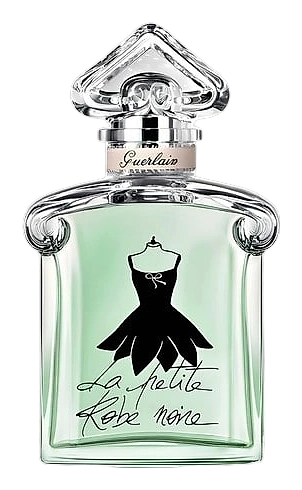
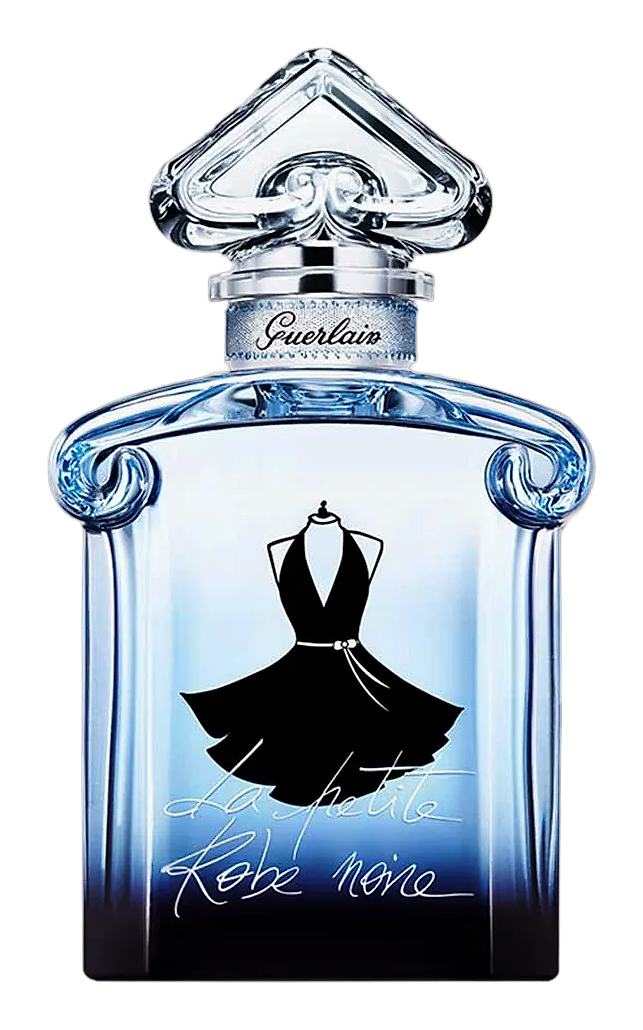
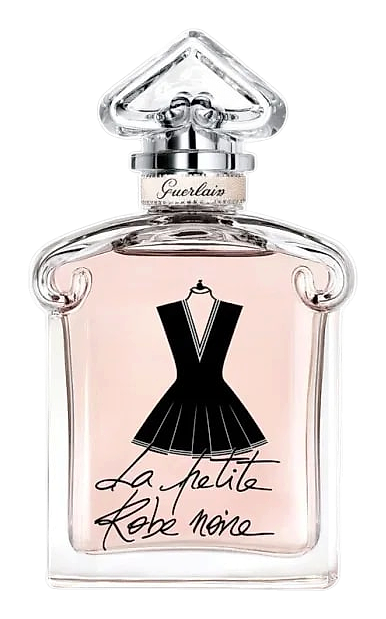
Guerlain introduced La Petite Robe Noire Velours in 2019, part of the house's beloved "little black dress" collection that began in 2012. Velours, French for velvet, offered a new texture within that wardrobe. Same concept, softer weight. Thierry Wasser and Delphine Jelk composed this edition around a darker floral heart, with rose and jasmine taking on deeper, more mysterious qualities. The fragrance unfolds with a rich, velvety character that feels indulgent without being heavy. As the scent settles against the skin, the dark floral notes blend into a smooth, slightly powdery drydown that lingers comfortably for hours.
The black rose and violet combination is the structural choice worth noting. Violet brings that classic Guerlain powder, the note that reads as both vintage and timeless, while black rose adds a depth that keeps it from feeling dated. Neither note dominates alone. Together they create a floral heart that behaves more like a mood than a scent. Then there's the black tea in the base. It's an unusual anchor for a fruity-floral: astringent, slightly bitter, almost smoky. It pulls against the sweetness of the tonka bean rather than blending with it, which means the drydown doesn't go syrupy. That tension is what makes Velours interesting, it's sweet, but it won't let you forget it's also adult.
The evolution
The opening hits bright and immediate, black cherry so ripe it's almost fermented, lifted by bergamot and mandarin. The citrus fades within 20 minutes, leaving the cherry to mellow into something softer, almost maraschino. Around the 30-minute mark, the floral heart arrives. Violet first, that powdery, slightly medicinal sweetness, then the black rose sliding underneath like a shadow. The transition isn't dramatic; it's more like a change in lighting. By hour two, the tonka bean emerges. Not as a replacement, but as a warmth that builds beneath the flowers. Black tea keeps appearing and disappearing, a fleeting astringency that prevents the whole thing from going flat. The drydown at hours four through eight is the payoff: warm, powdery, close to the skin. Patchouli adds just enough earth to keep it grounded. On fabric, it lingers until the next morning, softer then, barely there, like the ghost of an evening.
Cultural impact
The La Petite Robe Noire line has become Guerlain's most recognizable contemporary collection, a fashion reference translated into fragrance. The "little black dress" metaphor resonates because it speaks to versatility: one concept, multiple interpretations. Velours joins sister fragrances in the collection, each offering a different texture of the same idea. Together they form a wardrobe of scents that invite the wearer to choose based on mood and moment. The collection continues to find new audiences, its appeal rooted in the elegant simplicity of its central concept.
The House
GuerlainGuerlain stands as one of the oldest and most revered perfume houses in the world, founded in Paris in 1828 by Pierre-François-Pascal Guerlain. What began as a boutique on rue de Rivoli quickly became the preferred destination for Parisian society, attracting dandies and elegant women who sought custom-crafted fragrances. The house's influence grew to such heights that Guerlain earned the title of Official Perfumer to Napoleon III after presenting Eau de Cologne Impériale to Empress Eugénie as a wedding gift in 1853. This royal patronage marked the beginning of Guerlain's enduring association with European aristocracy, as the house went on to create fragrances for Queen Victoria and Queen Isabella II of Spain. Today, under the creative direction of Thierry Wasser, the fifth-generation perfumer, Guerlain continues to shape the landscape of fine fragrance with a portfolio spanning over 1,100 olfactory creations. The house remains headquartered at its legendary Champs-Élysées mansion, a historic monument that anchors Guerlain's position at the intersection of heritage and contemporary luxury.
The Creator
Thierry WasserWasser gravitates toward green, crispy notes and the bold florals Guerlain is known for. Bulgarian rose appears repeatedly in his work, and he travels annually to oversee the harvest in Kazanlak.