The Story
Why it exists.
The beginning
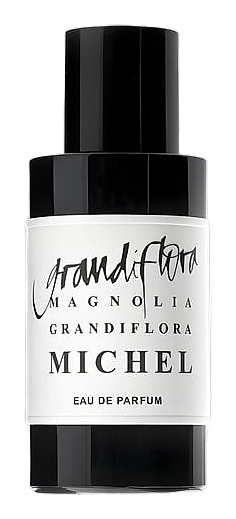
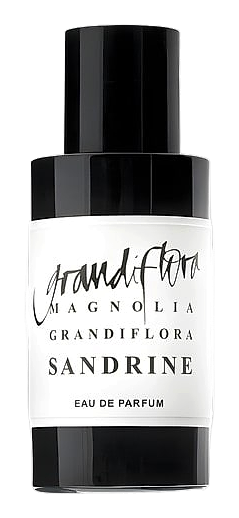
Sandrine Videault composed Magnolia Grandiflora Sandrine in 2013, and the fragrance carries her name not as a marketing flourish but as a dedication. The brand's press release speaks of poignant memories the magnolia evoked for her, a portrait of the flower's first opening with its roots, trunk, branches, bark, and leaves still present. Videault passed away in 2013, the same year the fragrance launched, which gives the composition a gravity that goes beyond the usual perfumer's statement. Sandrine Videault's was the one that ran toward the green, peppery, almost-bitter side of the bloom. Her approach treated the magnolia less as a decorative flower and more as a living structure, a whole organism with bark and sap and chlorophyll running through it.
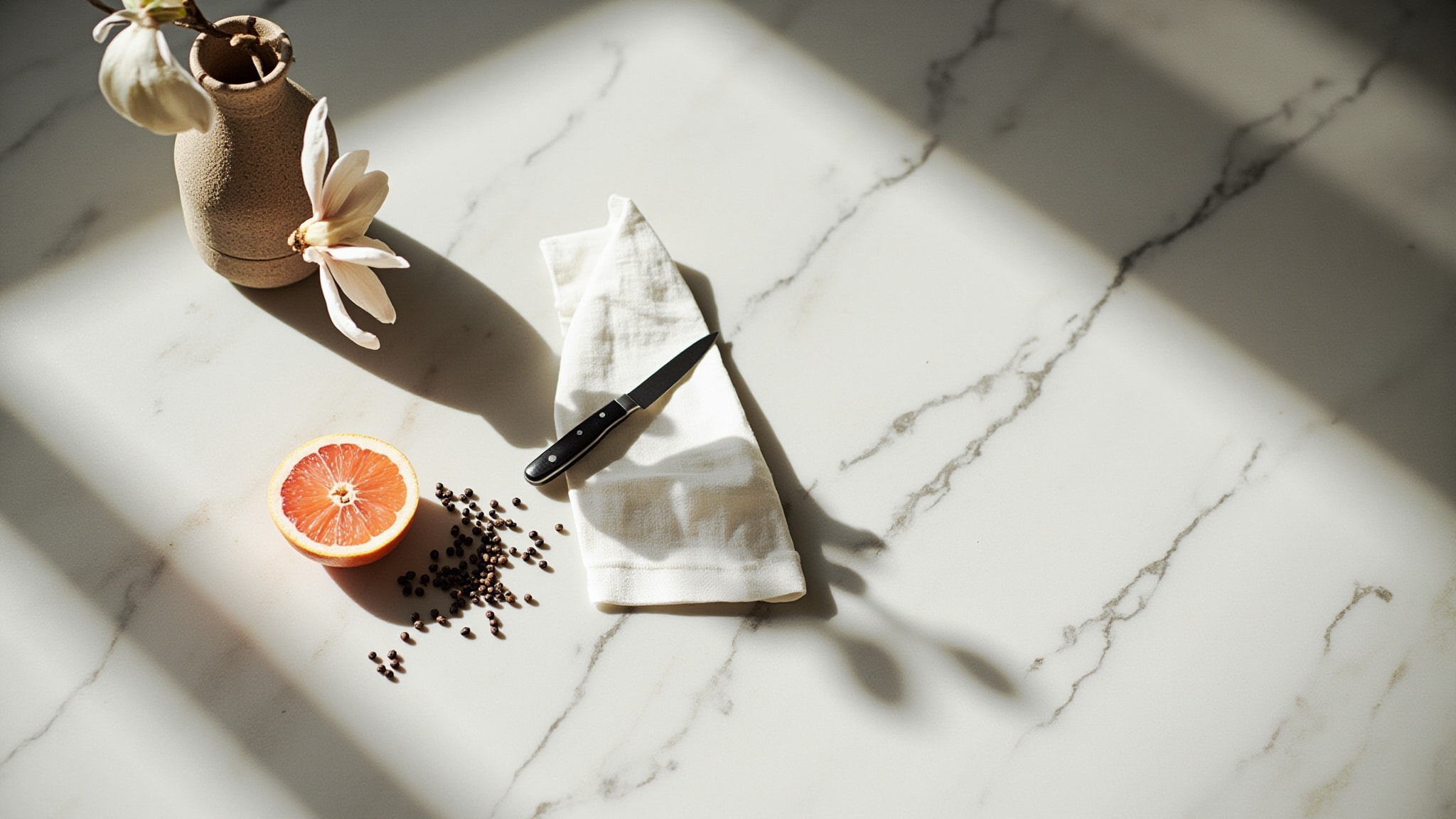
What makes this composition structurally interesting is the tension between its citrus-spiced opening and its watery, mossy base. This one refuses the expected route. Grapefruit and pepper open with a spark that could belong to a cologne, then the heart pulls back into something vegetal and slightly bitter, wood and moss doing the work that jasmine or tuberose would do elsewhere. The marine notes in the base pull the whole thing sideways into something that smells less like a flower arrangement and more like a coastal garden after rain.
The evolution
The first 30 minutes are loud, almost aggressive with grapefruit and pepper slicing through any hint of floral sweetness. By the end of hour one, the magnolia surfaces, but not as a solo bloom. It comes wrapped in moss and dry wood, the kind of green that's alive rather than decorative. The marine note in the base never announces itself outright, but it cools everything down starting around the two-hour mark, giving the composition a wet-stone quality that keeps it from ever feeling like a standard floral. The transition from opening to heart feels deliberate, almost staged, as if the composition wants you to register each structural shift. The pepper recedes slowly, leaving a faint warmth behind, and the grapefruit's bitterness mellows into something more like rind than juice. The moss and wood take over with a quiet authority, giving the mid-dry-down a forest-floor character.
Cultural impact
Magnolia Grandiflora Sandrine occupies an unusual corner of the floral category. This one runs toward green, bitter, and almost saline, which sets it apart from softer, sweeter floral compositions. It launched in 2013, carrying the name of its perfumer, Sandrine Videault, who passed away that same year. The fragrance wears light enough for warm weather but has enough backbone to hold its own against heavier compositions. It appeals to wearers who want a floral with a backbone, something that reads green and sharp rather than soft and powdery.
The House
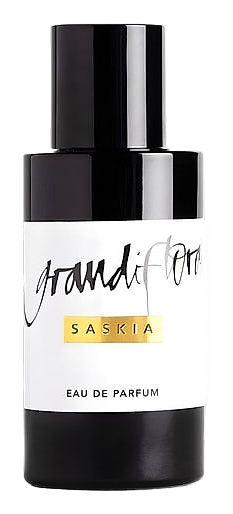
GrandifloraGrandiflora is an Australian fragrance house founded by Sydney florist Saskia Havekes. The brand grew from her flower shop of the same name, opened in Potts Point in 1995, into a perfume collection that translates her experience arranging flowers into wearable form. Havekes developed an interest in fragrance after meeting British fragrance expert Michael Edwards, whose reference work Fragrances of the World has shaped the industry for decades. Their connection led to the creation of Grandiflora's first perfume in 2013. The collection focuses on floral compositions, drawing on Havekes's botanical knowledge and her access to fresh flowers through her retail business. The brand operates from Sydney and marks its fragrance work as an extension of the flower shop rather than a separate venture. Saskia, released in 2020 to mark 25 years since the shop's founding, was composed by perfumer Christophe Laudamiel and reflects both the flowers and atmosphere of the Potts Point flagship.
The Creator
Sandrine VideaultVideault's signature lay in her ability to translate botanical gardens into liquid form. She worked primarily with living flower materials rather than isolated aromatic compounds, a practice that required both technical mastery and an artist's sensibility.