The Story
Why it exists.
The beginning
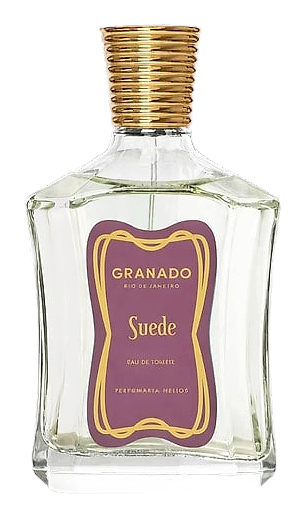
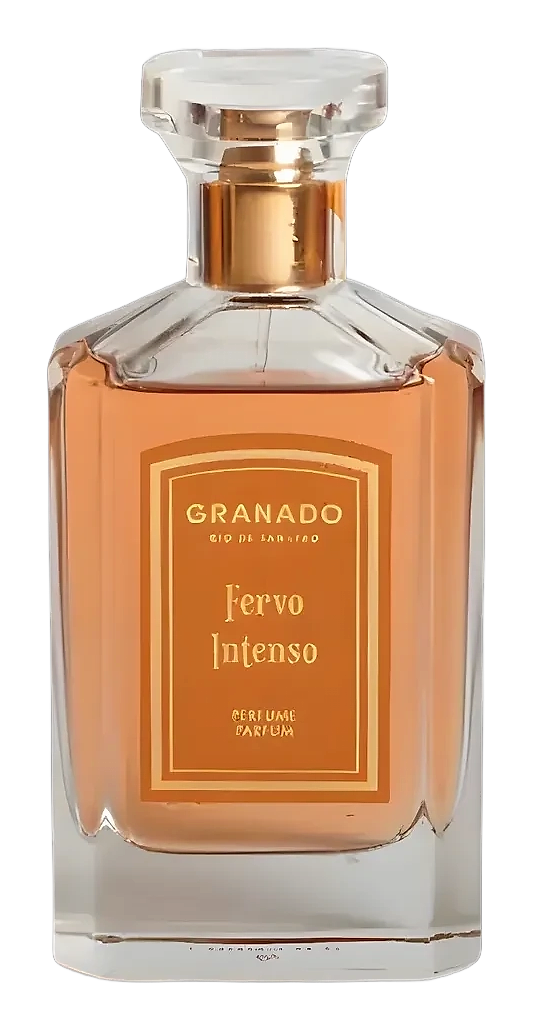
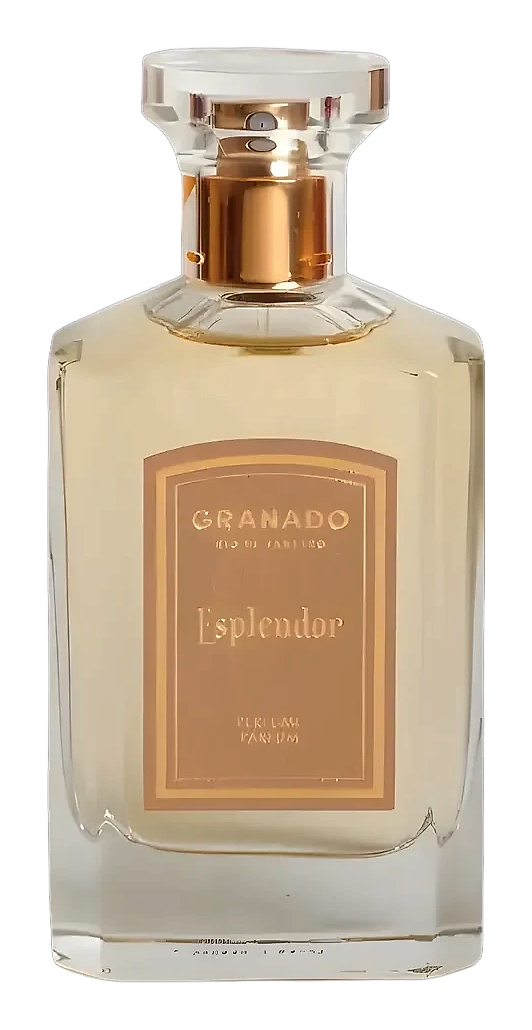
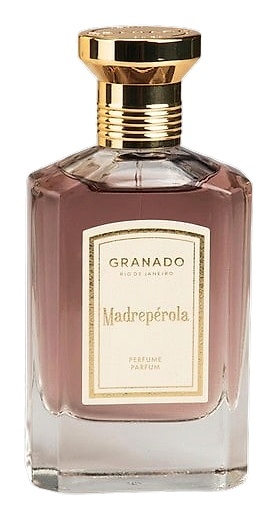
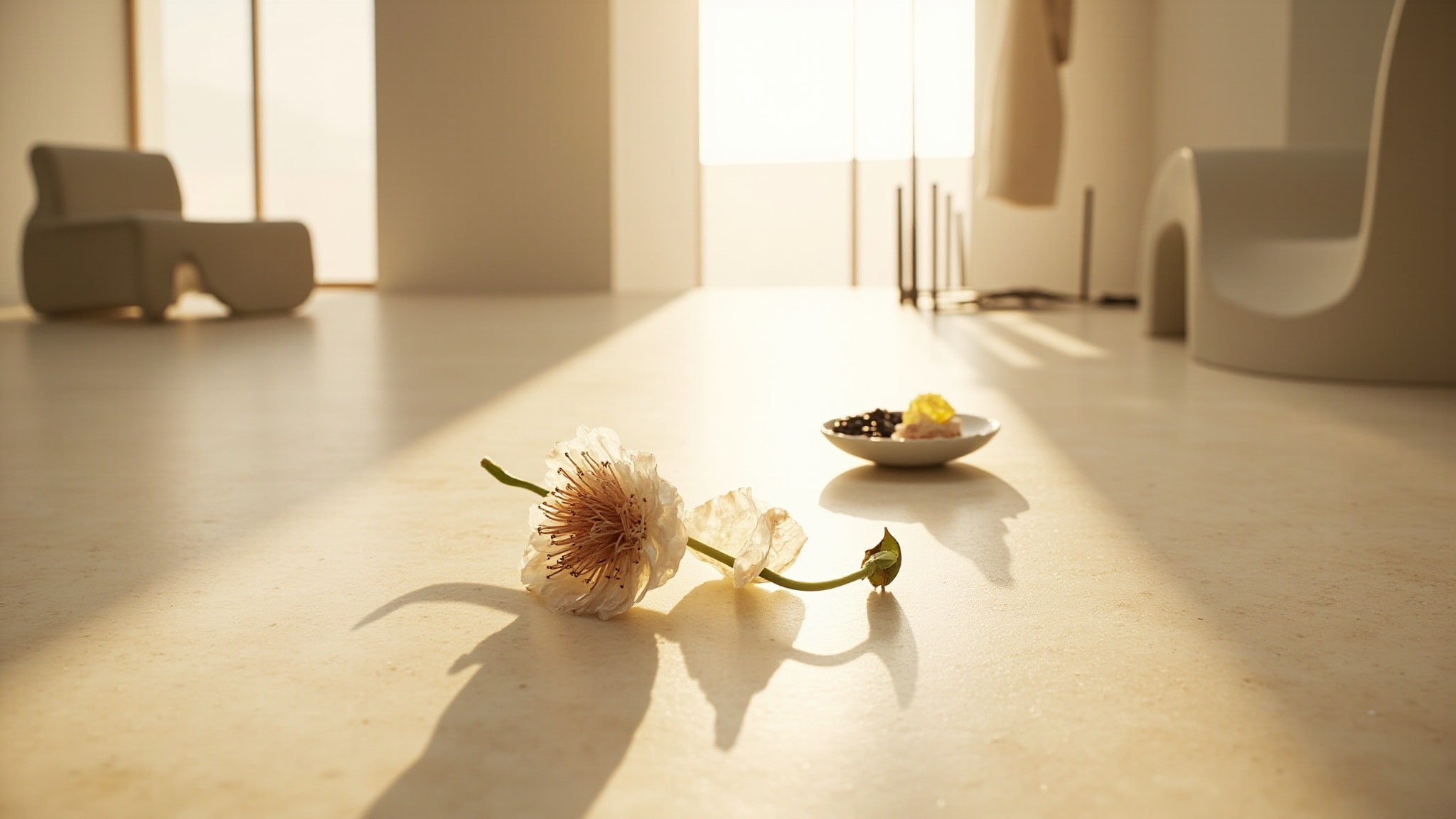
Madrepérola, Portuguese for mother-of-pearl, takes its cue from the quiet luminosity of a Rio de Janeiro coastline at first light. The name isn't decorative. It's the visual brief: that soft, iridescent quality of light catching on the inside of a seashell, milky and warm without being opaque. The 2026 release from Granado translates that image into scent, leaning on the creaminess of tuberose and the glow of orange blossom to carry the mood. Ilias Ermenidis composed the fragrance, working within Granado's Vintage collection, a line that treats each release as both an archival gesture and a contemporary statement. There's no single dramatic moment in the bottle. The whole thing is calibrated to feel like a held breath, the air just before the day tilts toward afternoon. Pearl, not flash. Glow, not sparkle.
What makes this composition interesting is how it refuses to choose between the floral and the spicy. The pyramid reads straightforward on paper, black pepper, frankincense, and lemon up top, ylang-ylang, orange blossom, and tuberose in the middle, sandalwood, musk, and tonka underneath. But the proportions matter. The black pepper isn't a garnish; it's a structural element, giving the white florals a dry, almost smoky frame before they fully open. The frankincense adds resin without religion, a clean bitterness that keeps the sweetness honest.
The evolution
The first 15 minutes are almost deceptive. Lemon and black pepper arrive together, sharp and bright, and there's a moment where it reads almost like a cologne, clean, sparky, the frankincense sitting underneath like a low hum. Then the florals start. Ylang-ylang and orange blossom push up first, the orange blossom giving that sun-warmed-soap feel, while the ylang adds a dense, almost overripe sweetness behind it. Tuberose comes in slightly later, but once it lands, it takes over the composition. Not the indolic, almost rotting tuberose of some compositions, a creamier, more lactonic version, the kind that smells like warm skin rather than a garden. This is the heart phase, and it stretches for hours, the florals layering into one another until the individual notes blur into a single, creamy warmth that sits close to the skin.
Cultural impact
Madrepérola carries a warmth and groundedness that sets it apart from many contemporary white florals. The composition draws on tropical richness, the ylang contributing a dense, almost sun-heavy sweetness, while the frankincense adds a dry, resinous counterpoint that keeps the whole thing from drifting into pure sweetness. This isn't a tuberose reimagined through a pared-back, sheer lens. It carries weight, the kind of substantial presence that feels rooted in place, in a particular climate and a particular tradition of working with bold floral materials.