The Story
Why it exists.
The beginning
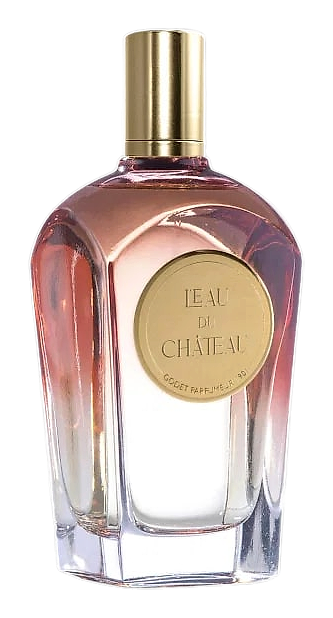
L'Eau du Château was born from a collaboration between Sonia Godet and the Château Saint-Martin & Spa, set in the hills above Vence on the French Riviera. The gardens there informed everything: citrus terraces giving way to fig trees, roses climbing old stone walls, the mineral warmth of Provençal rock after midday sun. That specific landscape lives inside the bottle, the way stone dust lingers on warm skin and petals release their oils only when the air gets hot enough. The fig note carries that earthy sweetness, the rose translates the garden's late-afternoon scent, and the grapefruit opening pulls the Mediterranean light straight through the top. Released in 2026, the formula stays grounded in the house's preference for handcrafted, natural materials, free from synthetic ingredients.
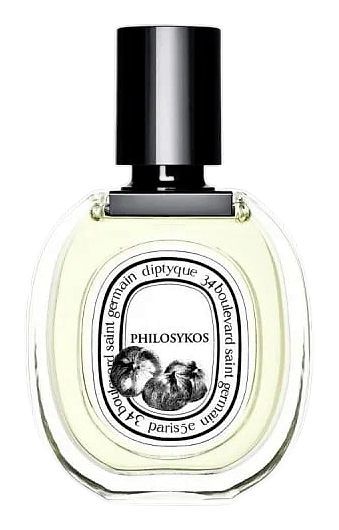
The fig note is the structural anchor here, and it's a less common choice for a luminous floral composition. Fig brings something greener, milkier, more rooted than the sweetness you'd expect from a sunny scent. There's a vegetal depth to it, almost savory at the edges, the kind of note that smells like the moment a fig leaf snaps between your fingers. Paired with the fruity character of Tango rose at the heart, it creates a sweetness that reads as botanical rather than confectionery. The rose adds a dewy, almost wine-like quality that keeps the fig from feeling too heavy or syrupy.
The evolution
The first minutes are a grapefruit announcement, sharp and bright, with bergamot and lemon leaf adding green bite beneath it. Peony arrives quickly, rounding the citrus into something more petal-like. This opening reads almost like a cologne splash, clean and uncommitted, the kind of freshness that makes you think of just-stepped-outside mornings. Then the shift. Fig enters, and the whole composition pivots. The sharpness softens. Rose blooms through the fig's milky sweetness, joined by softer white florals, and you're sitting in something warmer, more golden. The grapefruit retreats into memory, a bright thread you can still feel if you press your wrist to your nose. The base is where this earns its staying power. Amber and woody notes settle underneath the fig-rose heart, giving it weight without darkening it.
Cultural impact
L'Eau du Château sits in the radiant floral category but earns its particular character by anchoring its brightness in fig rather than the sweetness or aquatic accords that often dominate the genre. It's a fragrance for people who want sunlight without the synthetic sweetness that sometimes comes with it. The Château Saint-Martin collaboration gives it a sense of place rooted in a specific landscape: not a fantasy of the Riviera but an actual stretch of it, translated through Godet's preference for handcrafted, natural materials.