The Story
Why it exists.
The beginning
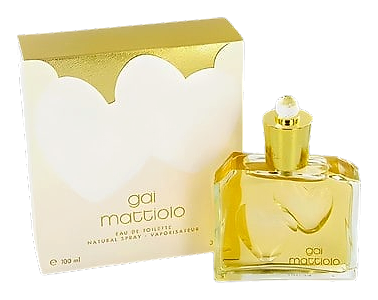
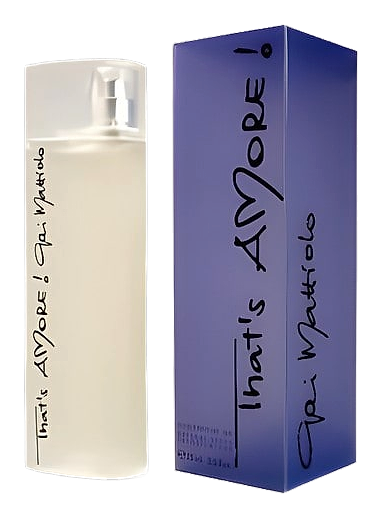
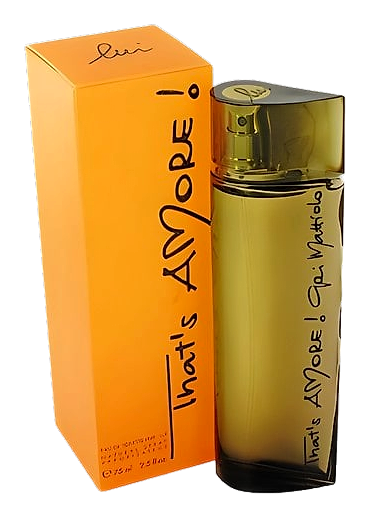
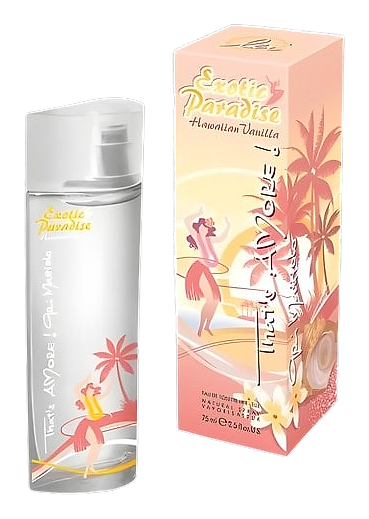
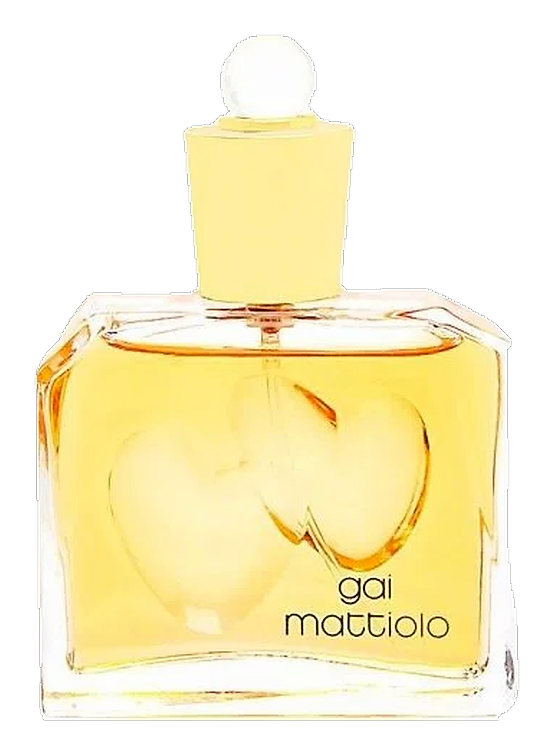
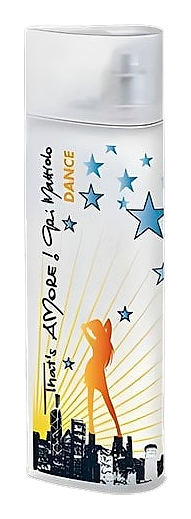
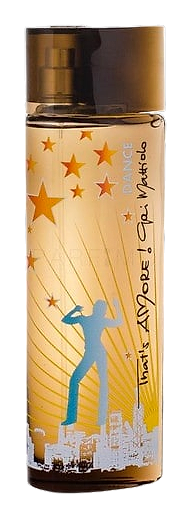
That's Amore! Dance Lui arrived in 2007, one piece of Gai Mattiolo's expanding That's Amore! universe. By the mid-2000s the brand had established itself as a fashion house built around bold color and a confident, declarative approach to menswear. The Dance pairing (him and her) signaled the line's interest in evening energy: dressed-up compositions built for dressed-up moments. Dance Lui was positioned as the masculine counterpart, a scent meant for the hours after the meal, after the reservation, when the night actually begins. The opening is built around an unusual contrast for a men's fragrance, a sharp herbal-spice accord layered over a juicy citrus lift, before the powdery florals and resinous base take over and pull the composition into warmer territory.
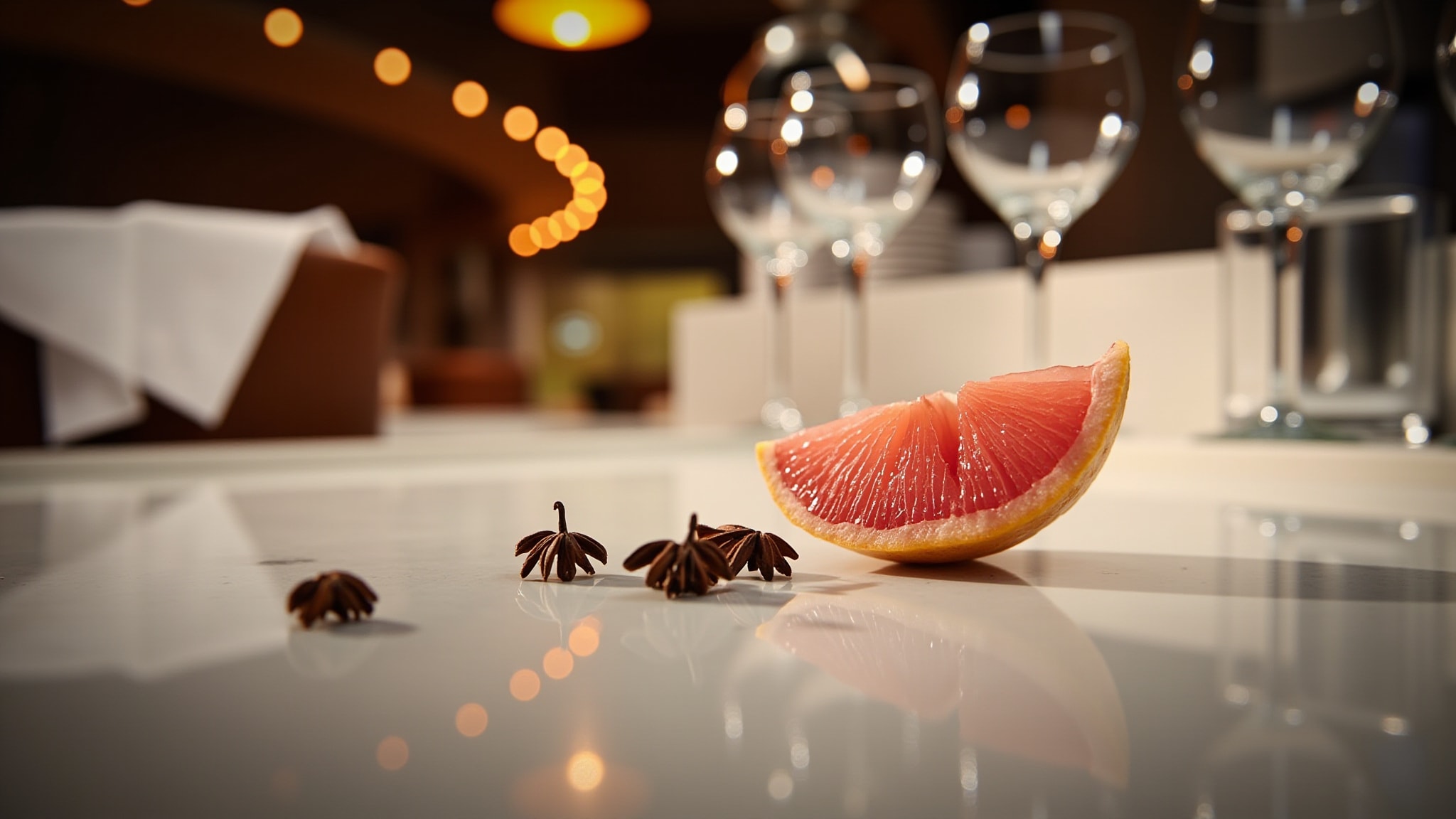
The anise top is the move here. Star anise isn't a common men's fragrance opener, and pairing it with rosemary rather than a bright citrus or green herbal accord gives the composition an immediate herbal-liquorice tension from the first spray, almost a digestif cue. The combination reads as warm and slightly sweet on skin rather than sharp, the anise contributing a soft licorice sweetness while the rosemary keeps things lifted and aromatic.
The evolution
The first 15 minutes belong to star anise and grapefruit, sharp, almost piercing, like the cocktail round before the meal. Bergamot and rosemary hold the edges. By the 30-minute mark the anise steps back and lavender takes over, quieter, powdered, joined by violet leaf and a faint heliotrope sweetness that feels like the second course arriving. The heart stage settles into a soft, almost edible sweetness, the lavender contributing its familiar herbal-clean backbone while the violet leaf adds a dewy, cucumber-cool quality that prevents the powder from feeling dry or old-fashioned. Two hours in, amber and tonka bean warm everything up, pulling the composition toward the skin rather than outward.
Cultural impact
Dance Lui sits firmly inside that wave of mid-2000s designer releases that took a more theatrical approach to men's perfumery, willing to lead with something as distinctive as star anise and trust the wearer to follow. It reads as dressier than the average designer men's release of its era, the sort of scent built for the table rather than the commute. The anise top has aged into something of a signature for the fragrance, distinctive enough that anyone who has worn it tends to recall that opening long after the other details fade, even when the late-stage drydown brings it into more familiar amber-woody territory.