

    Home/Brands/Gai Mattiolo

    Gai Mattiolo

    Gai Mattiolo began as an Italian fashion label before expanding into fragrance in the late 1990s. The house is rooted in Rome, where the designer opened his first boutique at nineteen with his father's support. Since 1997 the brand has released a series of Eau de Toilettes that echo the designer’s love of colour, theatricality and Made‑in‑Italy craftsmanship. The perfume line sits alongside a clothing range noted for bold tailoring and playful details, offering a cohesive lifestyle expression for those who enjoy a splash of drama in everyday wear.

    ItalyEst. 1979
    8
    Fragrances
    4.2
    Avg rating
    Shop the collection
    SignatureGai Mattiolo
    Gai Mattiolo
    EDT
    Community
    4.2
    Average rating
    across 8 fragrances
    Collection
    8
    Fragrances and counting
    Heritage
    1979
    Founded in Italy

    Most loved

    Bestsellers from Gai Mattiolo

    Fresh in

    New from the house

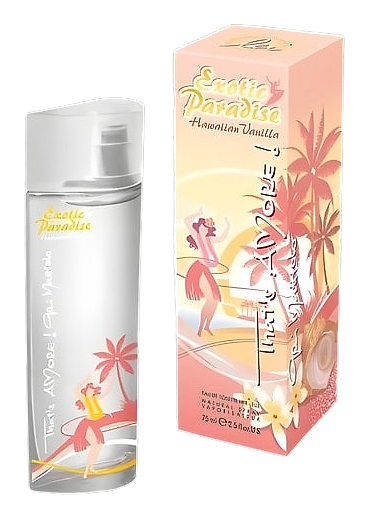
    That's Amore! Gai Mattiolo Exotic Paradise LEI Hawaiian Vanilla by Gai Mattiolo
    Gai Mattiolo
    That's Amore! Gai Mattiolo Exotic Paradise LEI Hawaiian Vanilla
    4.3
    Compare prices
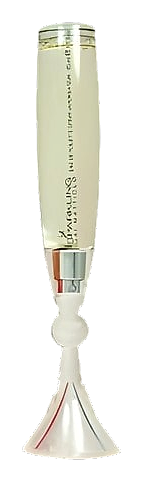
    Be Sparkling by Gai Mattiolo
    Gai Mattiolo
    Be Sparkling
    3.8
    Compare prices
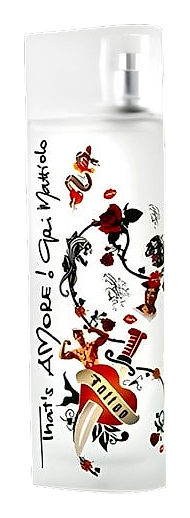
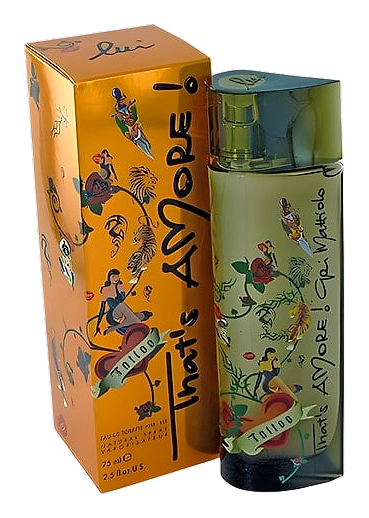
    That's Amore! Tattoo Lei by Gai Mattiolo
    Gai Mattiolo
    That's Amore! Tattoo Lei
    4.3
    Compare prices
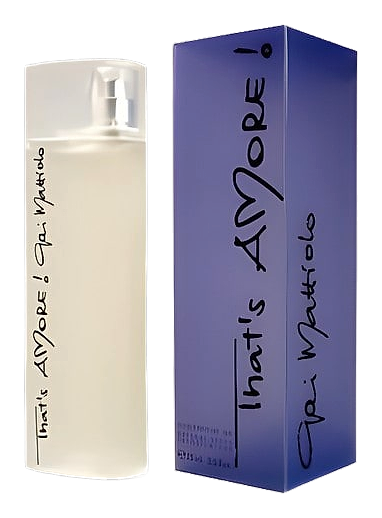
    That's Amore! Lei by Gai Mattiolo
    Gai Mattiolo
    That's Amore! Lei
    3.8
    Compare prices
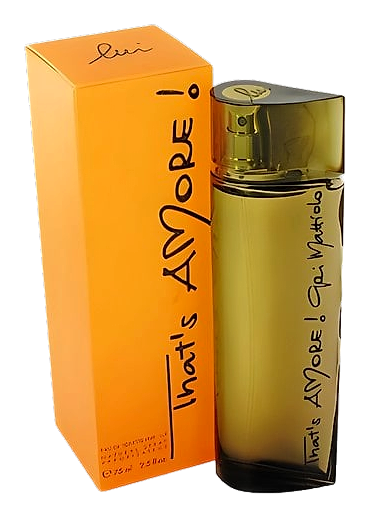
    That's Amore! Lui by Gai Mattiolo
    Gai Mattiolo
    That's Amore! Lui
    4.3
    Compare prices
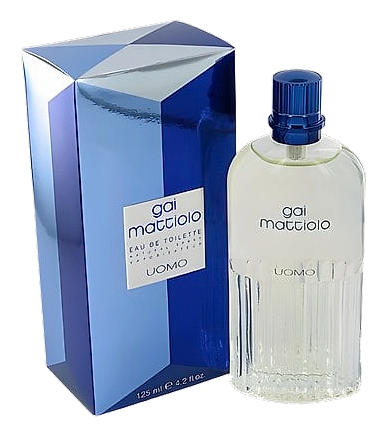
    Gai Mattiolo Uomo by Gai Mattiolo
    Gai Mattiolo
    Gai Mattiolo Uomo
    4.7
    Compare prices
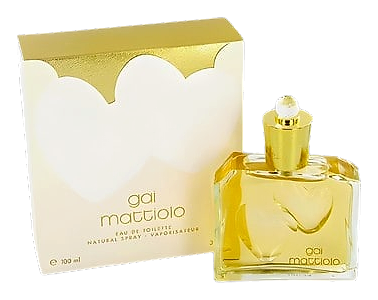
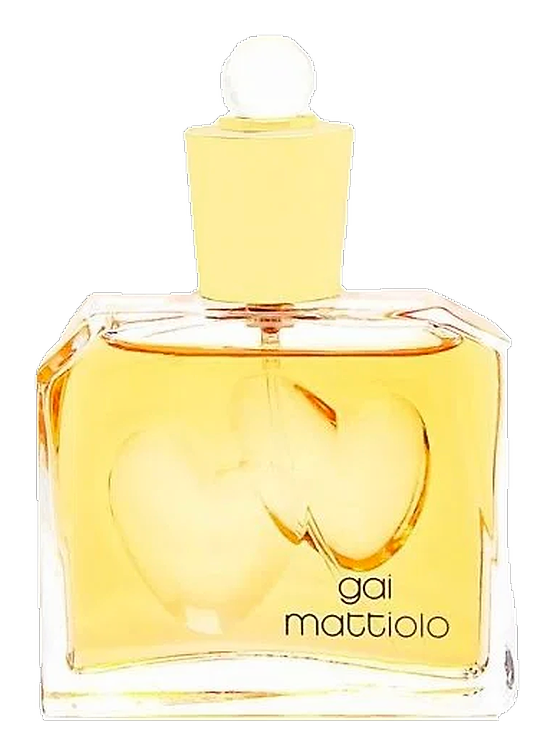
    Gai Mattiolo by Gai Mattiolo
    Gai Mattiolo
    Gai Mattiolo
    4.0
    Compare prices
    Gai Mattiolo Woman's by Gai Mattiolo
    Gai Mattiolo
    Gai Mattiolo Woman's
    4.0
    Compare prices
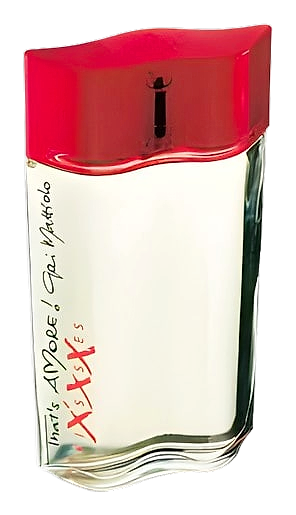
    Coming soonThat's Amore! Gai Mattiolo Exotic Paradise LUI Hawaiian Water by Gai Mattiolo
    Gai Mattiolo
    That's Amore! Gai Mattiolo Exotic Paradise LUI Hawaiian Water
    3.4
    Coming soon
    Coming soonThat's Amore! Dance Lei by Gai Mattiolo
    Gai Mattiolo
    That's Amore! Dance Lei
    4.2
    Coming soon
    Coming soonThat's Amore! Dance Lui by Gai Mattiolo
    Gai Mattiolo
    That's Amore! Dance Lui
    4.2
    Coming soon
    Coming soonThat's Amore! Tattoo Lui by Gai Mattiolo
    Gai Mattiolo
    That's Amore! Tattoo Lui
    3.7
    Coming soon

    Heritage

    A house, in its own words

    Gai Mattiolo was born in Rome and entered the fashion world as a teenager. At age nineteen his father financed a small boutique on Via del Corso, allowing the young designer to showcase his first collections of bright, sharply cut garments. Throughout the 1990s the label grew a reputation for flamboyant runway shows that mixed classic Italian tailoring with unexpected colour palettes. In 1997 the house launched its inaugural fragrance, simply titled Gai Mattiolo, marking the first step into olfactory design. The following year the brand introduced Gai Mattiolo Uomo, a masculine scent that mirrored the label’s confident aesthetic. The early 2000s saw a rapid expansion of the perfume portfolio: That’s Amore! Lei and Lui arrived in 2000, followed by That’s Amore! Kisses XXX in 2002, and That’s Amore! Man’s in 2003. A series of limited‑edition releases – Tattoo Lei (2005), Dance Lei and Dance Lui (2007), and Exotic Paradise Lei Hawaiian Vanilla (2009) – reinforced the brand’s habit of pairing scent with a visual narrative. While the fashion side of Gai Mattiolo has faced the usual cycles of runway relevance, the fragrance line has maintained a steady presence in Italian department stores and specialty boutiques, often displayed alongside the designer’s clothing in coordinated visual merchandising. The brand’s history reflects a consistent commitment to Italian production, a willingness to experiment with bold themes, and an enduring link between sartorial and olfactory expression. The creative vision of Gai Mattiolo rests on the idea that style should be unapologetically expressive. Interviews with the designer reveal a belief that colour and silhouette can convey personality as directly as scent. This philosophy extends to the perfume range, where each launch is framed as a story – a romantic gesture, a tropical escape, or a night of dance – that invites the wearer to inhabit a role. The brand values authenticity, insisting that all products be produced in Italy using local artisans whenever possible. Sustainability is mentioned in recent press releases, with the house reportedly seeking responsibly sourced ingredients and recyclable packaging, though detailed data remain limited. Overall, the label positions itself as a bridge between fashion and fragrance, encouraging consumers to curate a personal narrative that is both seen and smelled.

    1979
    Gai Mattiolo opens his first boutique in Rome with family backing, launching his fashion career.
    1997
    The house releases its first fragrance, Gai Mattiolo Eau de Toilette, marking entry into perfumery.
    1998
    Gai Mattiolo Uomo debuts, expanding the line with a masculine scent.
    2000
    That’s Amore! Lei and That’s Amore! Lui are launched, introducing a romantic dual series.
    2005
    Limited‑edition That’s Amore! Tattoo Lei appears, tying scent to a visual tattoo motif.
    2007
    Dance Lei and Dance Lui release, emphasizing movement and nightlife themes.

    Did you know?

    Interesting facts

    01

    Gai Mattiolo opened his first boutique at just nineteen, an unusually early start for a designer who later built a multi‑category brand.

    02

    The fragrance line frequently uses limited‑edition packaging that mirrors specific fashion collections, creating collectible items for fans.

    03

    Several of the That’s Amore! scents were marketed with accompanying music playlists, reinforcing the brand’s narrative‑driven approach.

    04

    Despite being a fashion‑origin house, Gai Mattiolo works with established Italian perfume manufacturers rather than maintaining an in‑house lab.