The Story
Why it exists.
The beginning
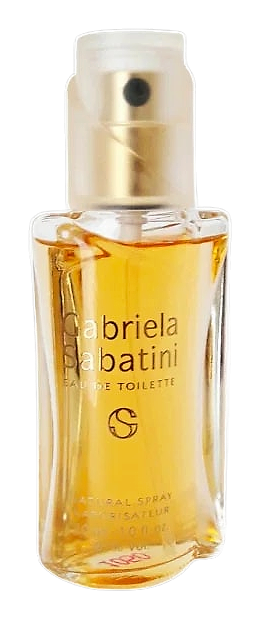
In 1989, Argentine tennis champion Gabriela Sabatini released her debut fragrance, a composition with a clear point of view. The formula went to Harry Frémont, a perfumer whose work tends to emphasize radiant florals with structure underneath. What emerged was a citrus-aldehydic floral built in the classic late-80s idiom: bright at the top, warm through the middle, and grounded by a substantial base. The scent opens with that sharp aldehyde snap, almost a tactile brightness that hits before the citrus even registers. Neroli lifts at the edges. Bergamot and tangerine fill in the body. Lemon slices through, keeping the whole thing from collapsing into sweetness.
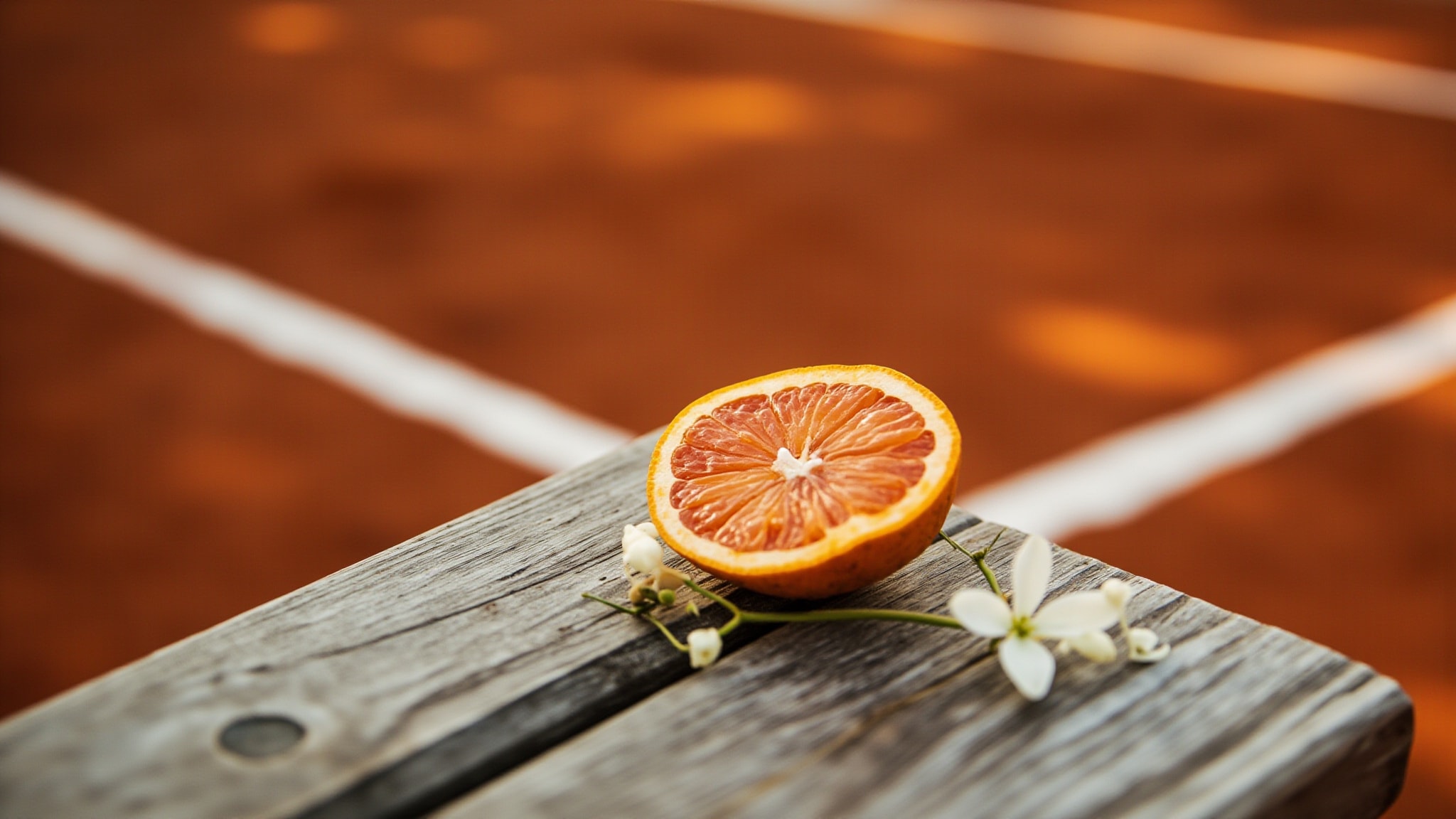
The aldehydic citrus opening is unmistakable, that synthetic sparkle cutting through before anything else has a chance to register. Frémont's formula layers neroli, bergamot, tangerine, and lemon beneath that brightness, giving the opening a natural lift. The citrus reads as fresh rather than synthetic, with each note pulling in a slightly different direction: neroli stays green and sharp, bergamot gives it body, tangerine adds sweetness, lemon keeps the whole thing from going flat.
The evolution
The aldehydes hit first, that synthetic sparkle most newer fragrances skip entirely, and underneath them the citrus opens in layers. Neroli reads sharp at the edges. Bergamot and tangerine fill out the body, giving the citrus some weight. Lemon cuts through just enough to keep things from going soft. The aldehydes step back gradually, and the floral heart takes over. Jasmine arrives first, then tuberose, dense and almost creamy. Rose threads through the middle. Honeysuckle softens things. The composition reads powdery now, with heliotrope adding an almond sweetness that pulls things slightly gourmand. The base starts to surface as the florals settle. Sandalwood shows up warm and woody. Amber wraps around the vanilla. Musk softens everything. Patchouli sits low, barely there but giving the whole drydown an earthy gravity.
Cultural impact
As a 1989 fragrance composition, this sits within a specific moment in perfumery: the aldehydic-floral structure that defined much of the late 1980s. The combination places it in recognizable territory alongside other radiant, powdery florals from the same window. The aldehyde opening, layered citrus, dense floral heart, and grounded base reflect the conventions of perfumery from that era. The composition reads as deliberate rather than accidental, with each section of the fragrance pulling its weight. The aldehydes give it presence. The florals give it warmth. The base gives it staying power.