
The Story
Why it exists.
The beginning
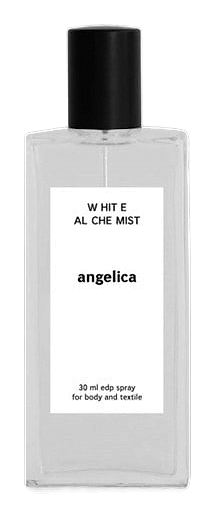
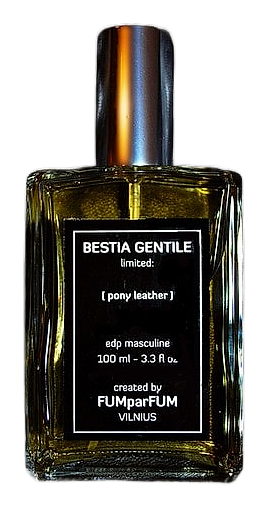
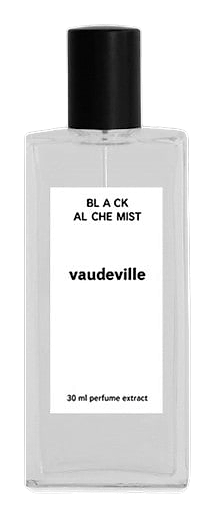
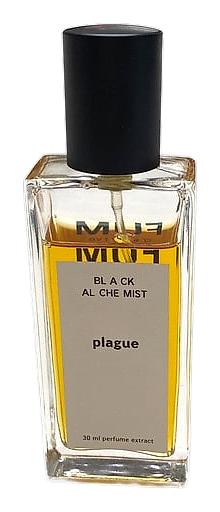
Plague arrived in 2021 from FUMparFUM, as part of the Black Alchemist collection. The name sits inside a body of work that treats fragrance with a certain seriousness, each bottle carrying the weight of its materials rather than any single marketing hook. Plague belongs to a quieter, darker act in the collection, a fragrance built from resins, tars, and dried botanicals that smell less like a room and more like a memory of one. Where other FUMparFUM compositions might lean brighter or more floral, Plague leans into shadow: the smoke of birch tar, the medicinal bitterness of clove, the warm resinous pull of labdanum and opoponax. There is an apothecary gravity to it from the first spray, a sense that the liquid was designed to be worn rather than displayed.
What makes Plague structurally unusual is the weight the composition gives to materials most modern releases treat as accents. Birch tar, opoponax, labdanum, and immortelle stack across the listed notes with a density that rewards attention, yet the heart also carries narcissus, a floral note with a cool, slightly green quality that keeps the whole thing from collapsing into pure smoke. The listed base notes include oakmoss, oak wood, ambergris, and benzoin, giving the resinous character a grounded foundation rather than a purely sweet one.
The evolution
The opening belongs to birch tar and clove, a sharp, smoky bitterness that reads medicinal and unapologetic from the very first breath. There's nothing polite about the entrance, no softened top notes designed to court the casual wearer, just smoke and heat arriving together with a dry, almost peppery edge from the clove. As the composition settles on skin, immortelle takes over, that distinctive note that gives the composition its warm, almost cured undertone without ever crossing into anything edible or sweet. Opoponax and labdanum deepen the resinous spine while narcissus adds a cool thread that keeps the smoke from smothering everything around it. The drydown eventually settles into oakmoss, cedar, and a quiet benzoin sweetness, the kind of close-to-skin warmth that develops slowly and rewards patience.
Cultural impact
Plague sits within FUMparFUM's Black Alchemist collection, a grouping that brings together the house's darker, more material-driven compositions. The fragrance appeals to wearers who already gravitate toward dense, resinous work and who treat fragrance as something to be studied rather than simply worn. It's the kind of scent that earns its reputation through depth rather than through recognition, and that distinction matters to the kind of collector who values a private ritual over a public statement.
The House
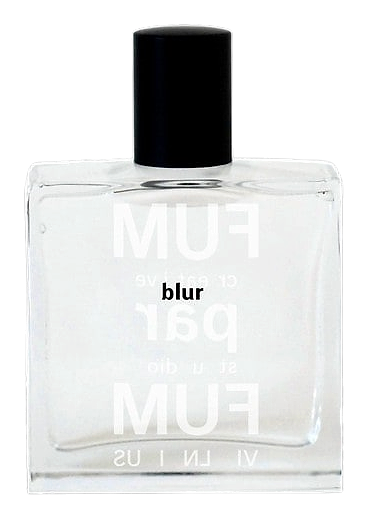
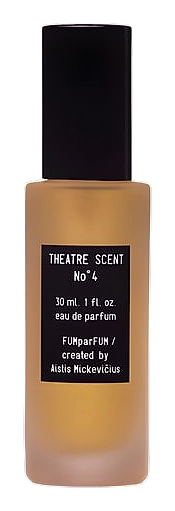
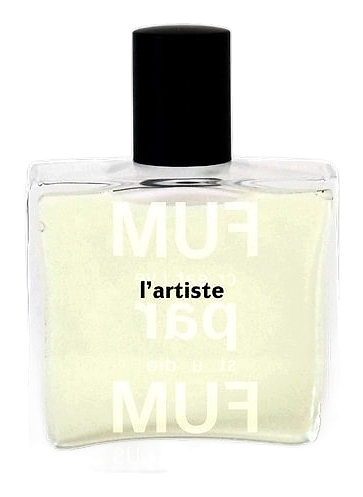
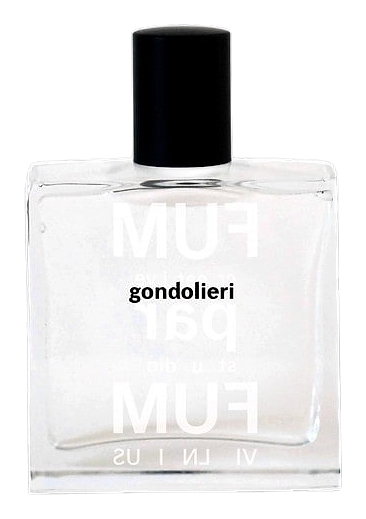
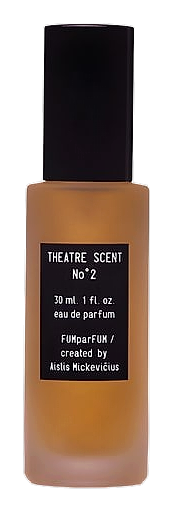
FUMparFUMFUMparFUM is a micro‑brand that lives at the intersection of performance art and olfactory craft. Founded in Vilnius, Lithuania in 2011 by actor‑turned‑perfumer Aistis Mickevičius, the house produces a handful of hand‑blended scents each year. Its catalogue reads like a personal diary, with titles such as Theatre Scent No 4 (2014), Blur (2016) and Thyme (2024). Each bottle arrives in a simple, matte‑finished container that lets the fragrance speak for itself. Though the studio now operates out of Los Angeles, the brand retains its Baltic roots, offering collectors a glimpse into a sensibility that values narrative over hype.
The Creator
Aistis MickevičiusHis technique blends classic French structure with Baltic raw materials. He often begins with a mineral or forest‑derived base, then layers bright citrus or aromatic herbs to create contrast.