The Story
Why it exists.
The beginning
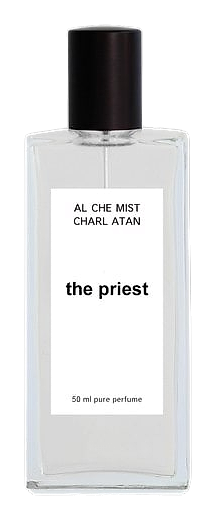
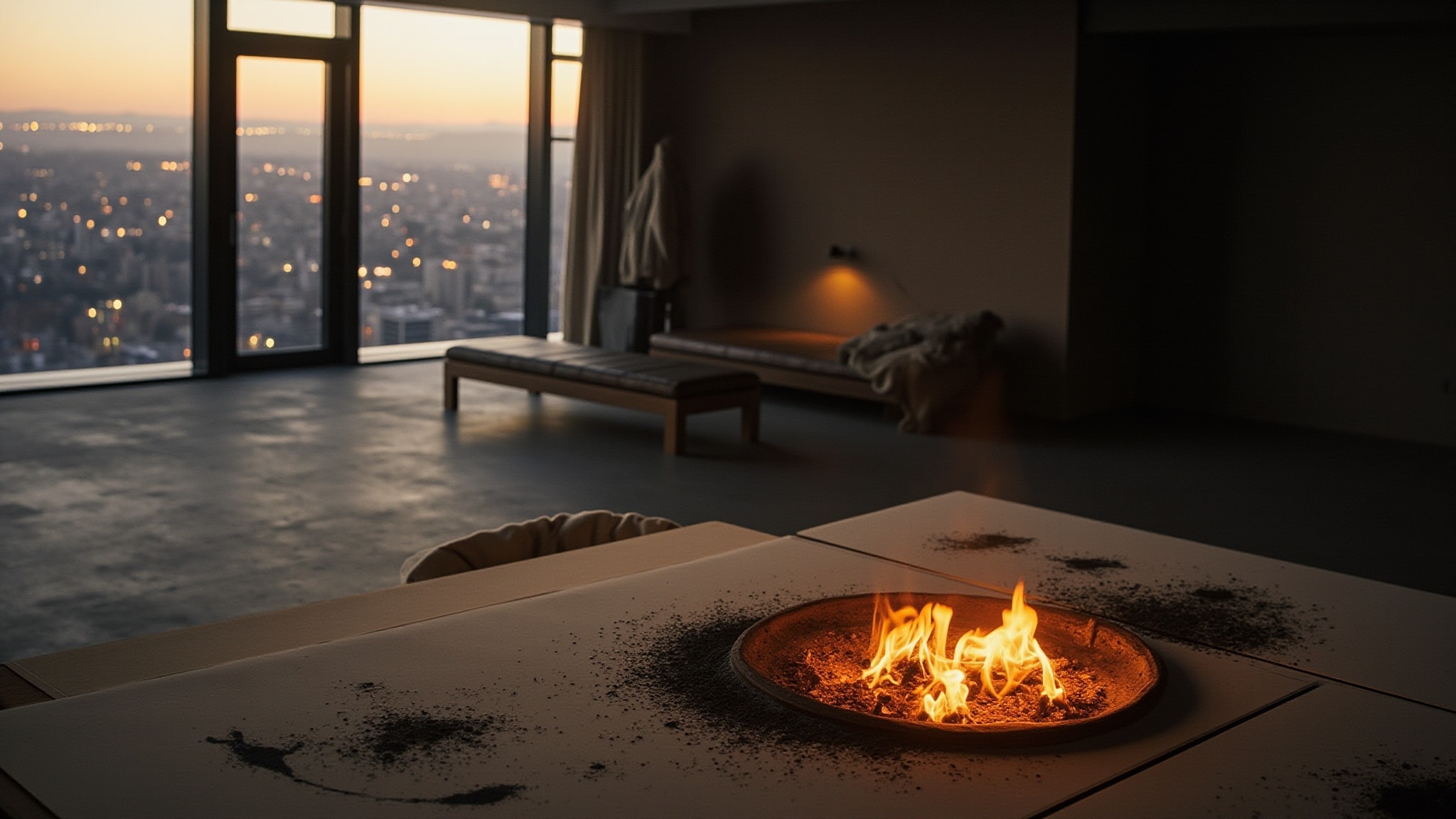
Aistis Mickevičius built FUMparFUM as a one-man theatre company in scent form, each fragrance a character with a role to play. In 2019, he introduced The Priest as part of a collection called Black Alchemist, alongside Golden Sawdust and Old Piano. The three scents were conceived as a triptych: different stories told from the same set of olfactory materials. The Priest was the contemplative one. Mickevičius described it as the moment when a church empties and a lone figure kneels in silence, surrounded by burned candles and old wood. No audience. No performance. Just the smell of dust and devotion. The name came first, the fragrance grew from it. Mickevičius has described his process as building characters the way an actor inhabits a role, understanding the psychology of the person, then finding the sensory details that make them real.
The structure is unusual. Aldehydes typically appear in the opening, lending a bright, sparkling quality that fades quickly. Here they behave differently, they persist, threading through the incense and cedar like a cold current under warm water. The effect is of a space that hasn't fully warmed up, even as resinous heat builds around it. The heart of cedar, immortelle, and labdanum creates a botanical tension. Immortelle brings that characteristic hay-floral sweetness; labdanum adds the sticky, resinous depth of ancient incense.
The evolution
The opening is immediate and cold. Aldehydes arrive first, waxy, aldehydic, almost metallic. The cold is the point. Then incense smoke follows, settling into the space the aldehydes opened. Not sweet myrrh or playful oud. This is church incense, the kind that has been burning in the same room for generations. Bergamot flickers in and out, a brief citrus suggestion that disappears before you can name it. Twenty to thirty minutes in, the heart opens. Cedar dominates here, but it is not a fresh, sharp cedar, it arrives softened by the resins around it. Immortelle and labdanum create a hay-floral sweetness that catches the smoke and holds it. Frankincense becomes more present. The sillage shifts from filling a small room to sitting close to the skin, about an arm's length. This is when the fragrance feels most contemplative. The aldehydes are still there, adding that cold-wax quality to the warmth building underneath. Two to three hours in, the drydown takes over. The aldehydes finally recede, and what remains is a beautiful tangle of warm resins and aged wood.
Cultural impact
The Priest belongs to a category of fragrances that treat scent as a narrative medium rather than a consumer product. Mickevičius designed the Black Alchemist collection, of which this is a part, as an olfactory triptych, three scents from the same materials telling entirely different stories. The intention was closer to performance art than commercial perfumery. What makes The Priest notable in that context is its refusal of accessibility as a virtue. The aldehydes demand attention. The incense doesn't apologize. The cedar doesn't soften for comfort. Wearers who connect with it tend to describe it in personal terms, it reminds them of something specific, a place, a memory, a feeling they couldn't name before.