Heritage
A house, in its own words
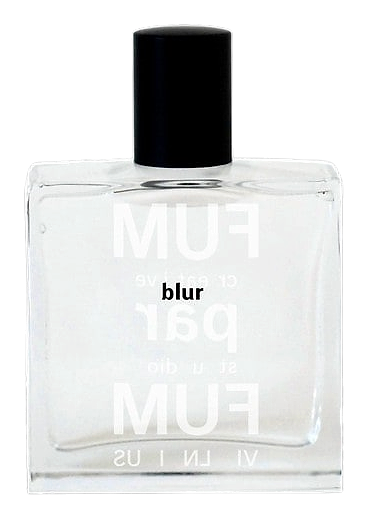
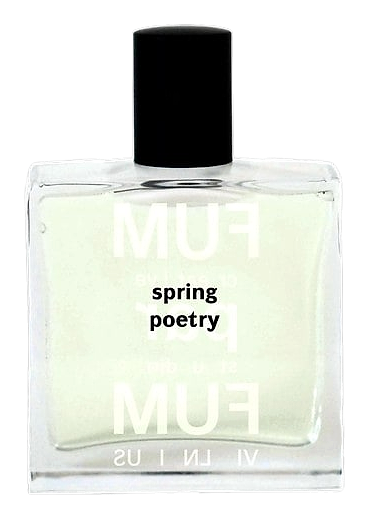
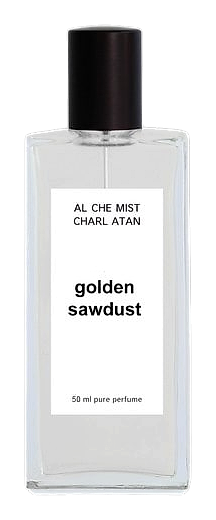
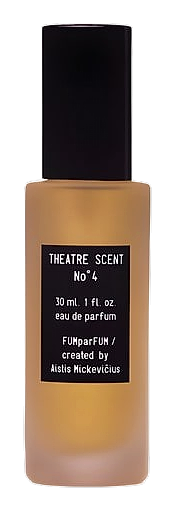
The story of FUMparFUM begins in 2011 when Aistis Mickevičius, a Lithuanian stage actor, decided to translate his love of character work into scent. Mickevičius grew up in Vilnius, a city known for its quiet cafés and historic architecture, and he often described his early experiments as “smelling the script.” The first public release, Theatre Scent No 2, appeared in 2014 and was followed closely by Theatre Scent No 4 the same year, both referencing his theatrical background. In 2016 the brand introduced Blur, a composition that mixed citrus and green notes to capture the feeling of a spotlight fading. Golden Sawdust arrived in 2019, a warm amber that referenced the wooden stages of old theatres. Angelica (2020) marked a shift toward botanical storytelling, while Pear Gurlz (2022) and Spring Poetry (2022) explored playful fruit and seasonal imagery. 2024 saw the launch of two new fragrances, Thyme and Blackcurrant Bud, each built around a single, vivid ingredient. Throughout its evolution, FUMparFUM has remained a one‑person operation, with Mickevičius handling formulation, testing and packaging decisions. The brand’s modest scale allowed it to participate in niche gatherings such as the 2023 Nagoya perfume showcase, where a pop‑up studio highlighted its Los Angeles‑based laboratory. Over more than a decade, the house has cultivated a loyal following among collectors who appreciate the personal narrative that each scent carries. FUMparFUM treats perfume as a form of storytelling rather than a commercial product. Mickevičius draws on his acting training, viewing each fragrance as a character that must be rehearsed, refined and finally performed on the skin. The brand’s statements emphasize honesty, intimacy and a willingness to experiment with unconventional pairings. Rather than chasing trends, the house follows a seasonal rhythm that mirrors the cadence of a theatrical season: a new act appears, runs its course, then bows out. Sustainability is approached pragmatically; small batch production reduces waste, and ingredients are sourced from suppliers who can provide traceability reports. The creative process often starts with a memory or a line from a play, which then guides the selection of accords. This method keeps the work grounded in personal experience, allowing the scents to feel like extensions of the creator’s own narrative voice.