The Story
Why it exists.
The beginning
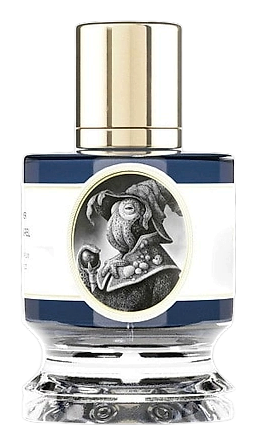
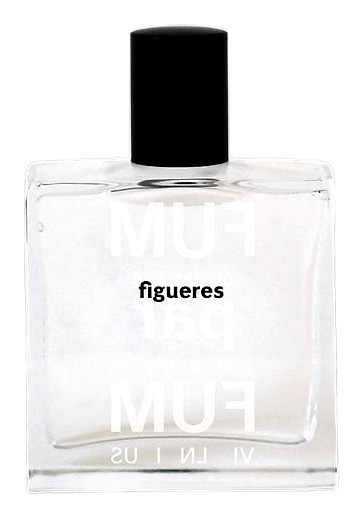
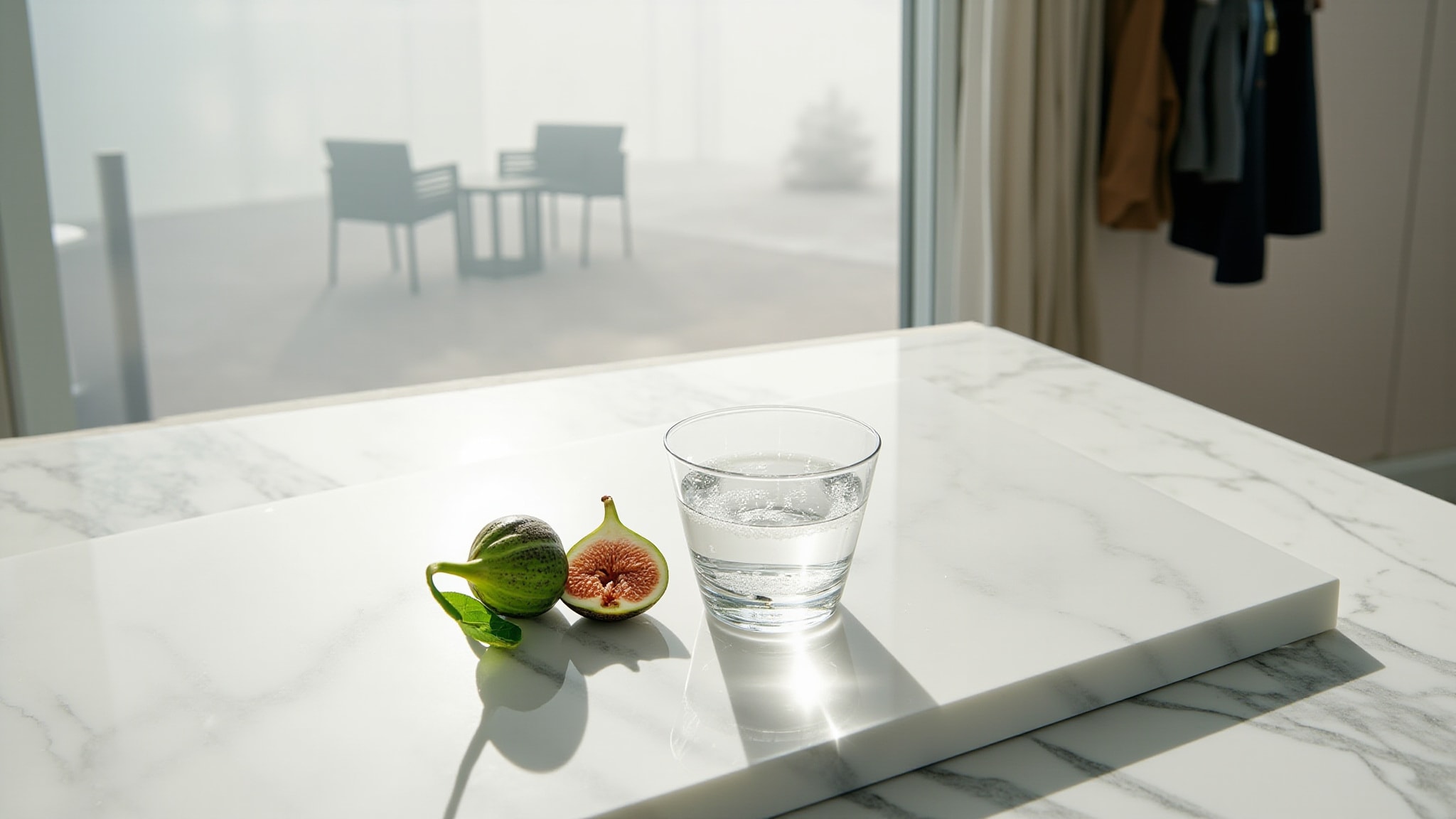
Figueres is a town in Catalonia, Spain, best known as the birthplace of Salvador Dali and as a place where fig trees grow in abundance. That's the reference. The town name literally encodes the fruit. Lithuanian perfumer Aistis Mickevičius chose it deliberately, building a fragrance around the fig that Dalí would have passed every morning on his way to the Teatre-Museu. The goal was an interpretation of the unripe fruit, the one still hanging on the branch in late summer, not yet soft, not yet sweet, acidulous and in flux.
Wild fig and grapefruit might seem an odd pairing until you realize they're answering the same question. Both are unripe in character, tart, green, unresolved. Hedione doesn't sweeten the deal. It clarifies it, adding a clean, luminous quality that feels like sunlight through leaves rather than the fruit itself. The base, white amber, vanilla, ambergris, white musk, doesn't soften the composition so much as settle it. This is what the fig becomes when it finally ripens: warm, close, intimate. Not loud. Not trying to prove anything.
The evolution
The opening hits fast. Wild fig and grapefruit arrive together, green, tart, the kind of brightness that makes you check if someone just peeled something nearby. This phase lasts about 30 minutes before the grapefruit recedes and the fig takes center stage, still unripe, still a little sharp. Hedione enters around the 30-minute mark, bringing a clean, almost delicate quality that elevates the composition without softening it. It holds for two to four hours, depending on skin. Then the base arrives, white amber and vanilla arriving first, ambergris and white musk settling in beneath. The sillage drops from moderate to intimate. The scent moves from the air around you to the skin on you. The drydown is where this fragrance becomes personal.
Cultural impact
Figueres arrived in 2016 as part of FUMparFUM's Alchemist Charlatan collection, a satirical project that questioned the fetishization of indigenous fragrance traditions within niche perfumery. The Lithuanian house, founded by stage actor Aistis Mickevičius, positioned the collection as high-concentration, character-driven work that rejected both the exoticizing narratives and the blockbuster commercial logic dominating the niche market at the time. The 2016 release coincided with a wave of fig-forward fragrances, but most leaned lactonic and dessert-like, whereas Figueres chose green, unripe tartness as its signature. This positioned it against the prevailing fig aesthetic and attracted a specific audience skeptical of sweetness.