
The Story
Why it exists.
The beginning
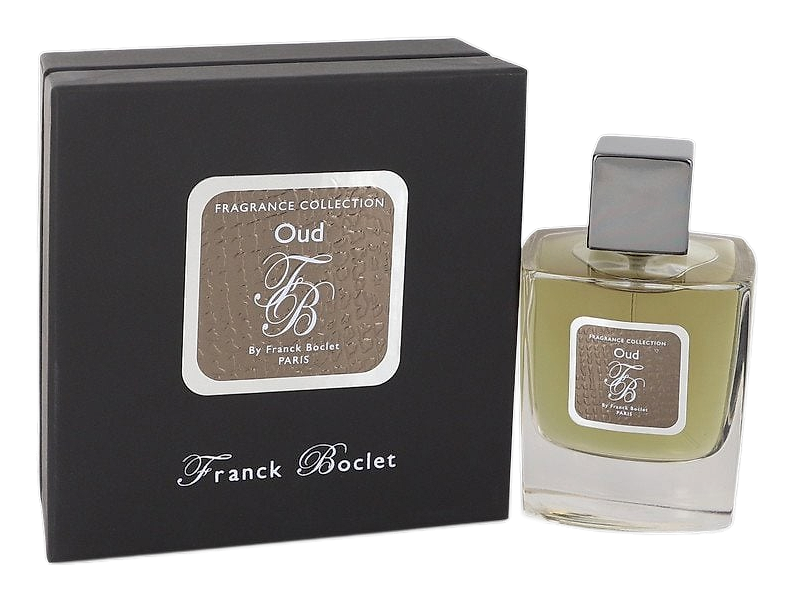
OUD appeared in 2013 as part of Franck Boclet's fragrance line, a composition built by Melanie Leroux. Where many oud fragrances crowd the agarwood with sweetness or fruit, this one leads with spice. Cumin, clove, and ginger do the opening work, a trio that reads closer to a market stall or a kitchen in late autumn than to a more familiar expectation of oud. The oud waits in the heart, patient and structural rather than decorative. The spice layering feels like a deliberate choice, and it tells you something about how Boclet wanted to be perceived in the fragrance world: confident, a little off-center, fluent in the language of wood without defaulting to its most obvious translations.
The construction works differently from what's expected when spice leads an oud composition. When agarwood takes the lead position, the surrounding notes usually soften around it, but here the spice trio pulls the temperature high before the oud even arrives, which means the wood has to work harder. It reads drier, more resinous, less sweet. The patchouli and cedar in the base reinforce that austerity, giving it the texture of something carefully composed and built rather than something layered on for effect.
The evolution
The first 15 minutes are all heat. Cumin's earthy bite, clove's sharpness, ginger's warmth layered on top of each other without much breathing room. It reads almost savory, the kind of opening that makes you lean in rather than pull back. By the 30-minute mark, the oud surfaces, and the spice recedes just enough to let the wood do its work. The drydown is where this fragrance stops being about oud at all. Patchouli and cedar carry the final 4-5 hours, dusty and dry, with the oud's smokiness baked into the wood rather than sitting on top of it. On the next morning, what's left is a clean, warm wood scent close to skin, like the trail of someone who left the room an hour ago. The sillage stays within arm's reach, the kind of scent detected rather than announced.
Cultural impact
OUD belongs to a set of compositions built around restraint, where the typical ornamentation gets stripped away and the agarwood is allowed to breathe inside a tighter frame. Some wearers gravitate toward it precisely because they already know what oud smells like and want a version without the usual sweetness. It's a fragrance that sits inside a more specific conversation about wood, about how much you can remove from an oud composition before it loses its character entirely, and how much character that austerity adds in return.