The Story
Why it exists.
The beginning
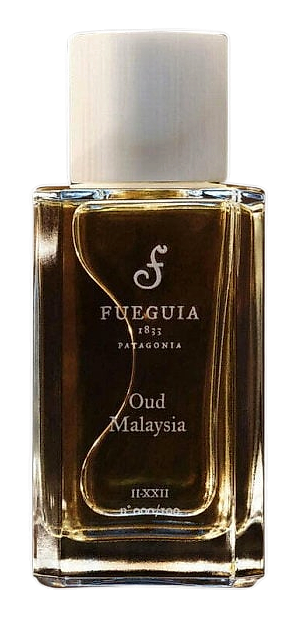
Oud Malaysia belongs to Fueguia 1833's El Mundo de los Ouds collection. The 2022 release turns its compass to Malaysia, where agarwood trees have perfumed ritual and commerce for a long time. Julian Bedel, perfumer, approached the material with a directness that has become something of a signature: he treats oud not as a note to interpret but as a substance to encounter. The Malayan oud carries the weight of the composition almost entirely on its own, with a pheromone accord underneath that works more like skin chemistry than a traditional musk. What comes out of that approach reads as dense and mossy on one hand, almost intimate on the other.
What makes this composition worth attention is its refusal to dress the oud up. The Malayan oud carries the full weight of the composition, and the pheromone accord underneath acts in a way that feels different from a typical musk note. It shifts how the fragrance reads on skin, less a separate ingredient you can pick out and more a change in the temperature of the oud itself. The result is a study in what oud actually does when nothing else is fighting for attention.
The evolution
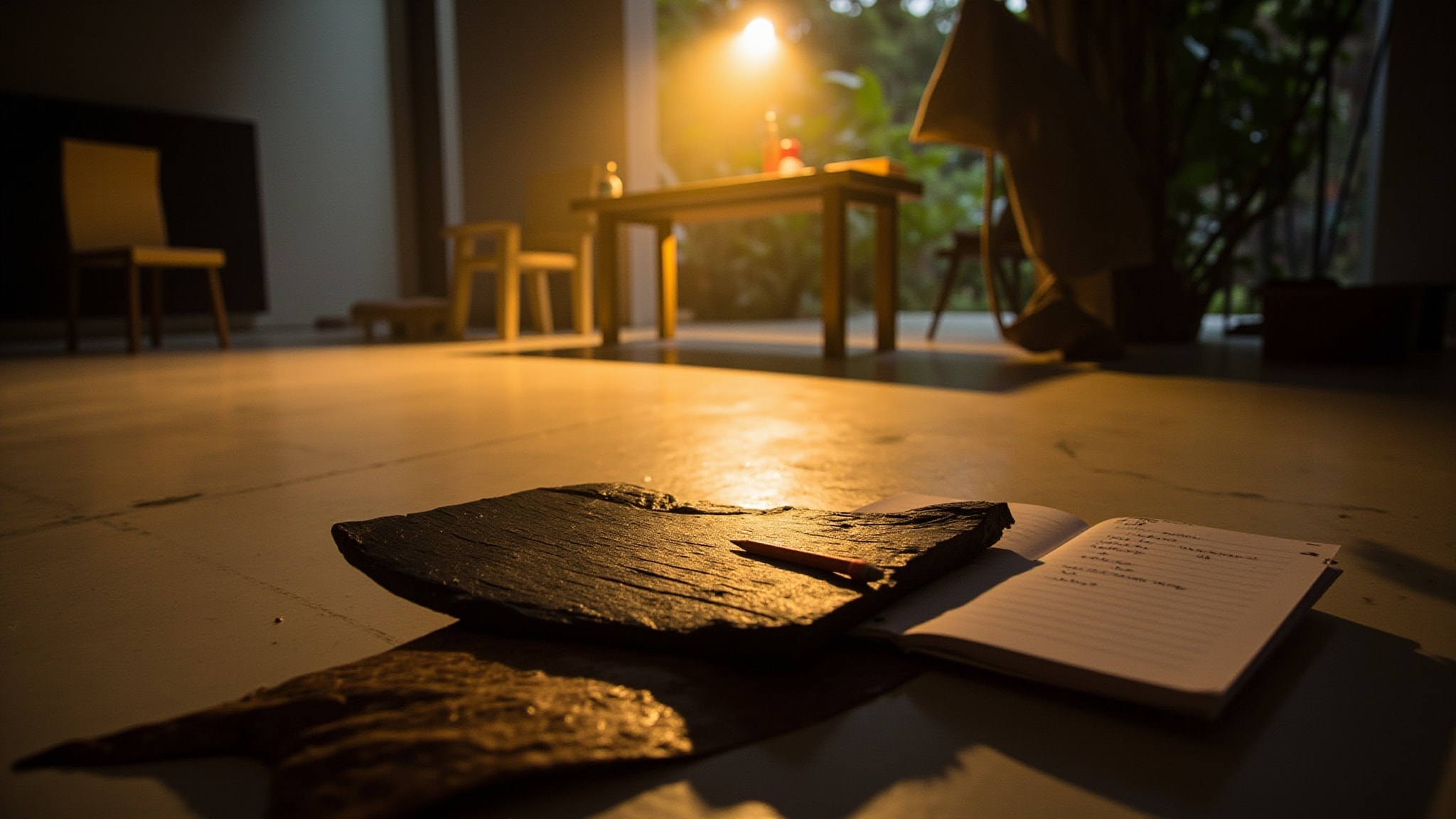
The opening is almost geological. Dense, mossy, green at the edges where resin meets damp bark. For the first 15 minutes there's a sense of walking into an old-growth forest just after rain, but the sharpness softens fast. By the 30-minute mark the Malayan oud begins to show its animal warmth, the part that smells less like wood and more like something alive that once lived in the wood. The pheromone accord never announces itself. It works underneath, lifting the oud's natural warmth into something that reads closer to skin than to perfume. Around the 2-hour mark the composition settles into its dry phase, and that's where the magic lives. The resin deepens, the green fades, and what remains is a warm, slightly sweet, distinctly human trace.
Cultural impact
Oud Malaysia arrived in 2022 as part of Fueguia 1833's El Mundo de los Ouds collection. The release placed a specific regional agarwood at the center of the composition, pairing Malayan oud with a pheromone accord and allowing the material to carry the weight of the fragrance largely on its own. Julian Bedel, perfumer behind the Argentine house, has built the line around the idea that ouds from different regions each carry their own character, and the Malaysian edition reflects that approach.
The House
Fueguia 1833Fueguia 1833 is an Argentine fragrance house that creates limited‑edition scents rooted in the botanical heritage of Patagonia. Each perfume draws on medicinal plants harvested from the region’s wild landscapes, and the brand presents its creations as vintage‑style bottles that evoke a sense of travel and memory. The house operates a vertically integrated supply chain, growing, extracting and bottling its own raw materials, which allows it to maintain tight control over quality and environmental impact. Its collections, such as Rosa de los Vientos (2018) and Oud Jungle (2022), have attracted collectors who value authenticity and a narrative that links scent to place.
The Creator
Julian BedelJulian favors a palette that mixes rare South American botanicals with classic European absolutes. He often extracts essential oils from medicinal herbs such as catuaba, calafate and patagonian tea, then anchors them with ambergris, cedar and fine musks.