The Story
Why it exists.
The beginning
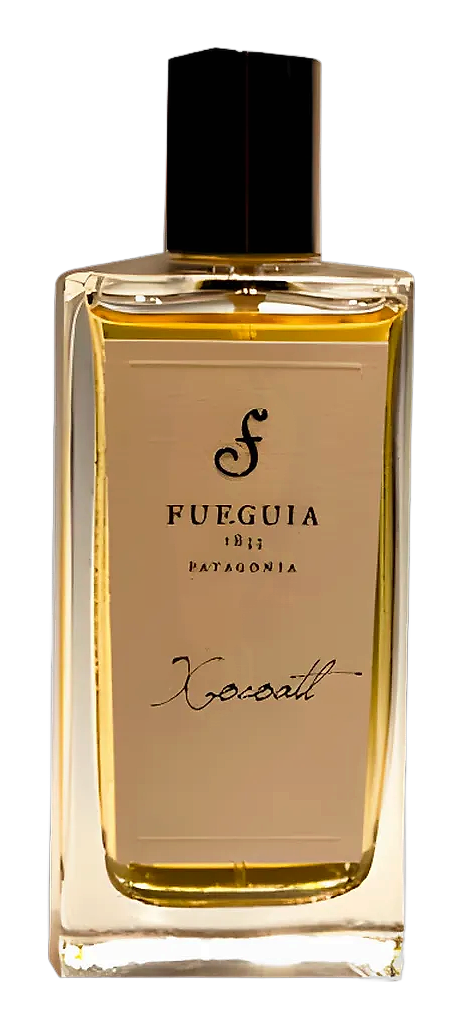
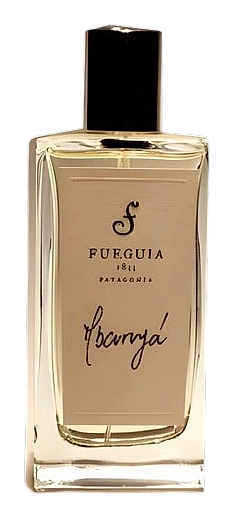
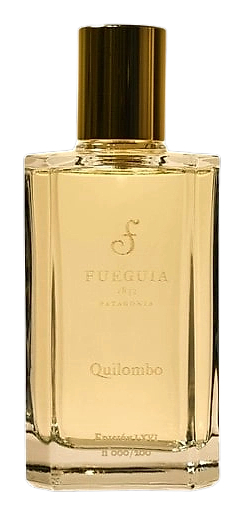
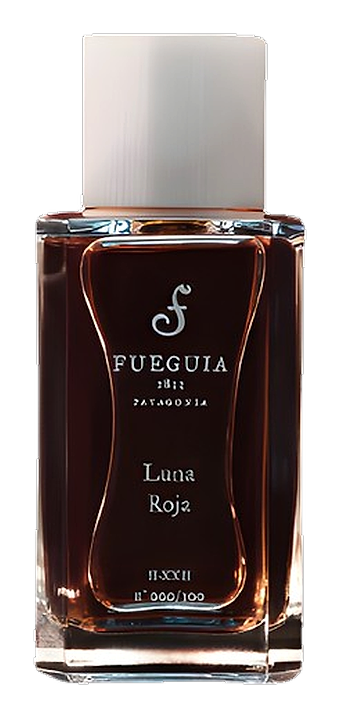
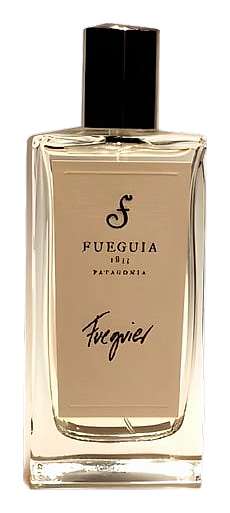
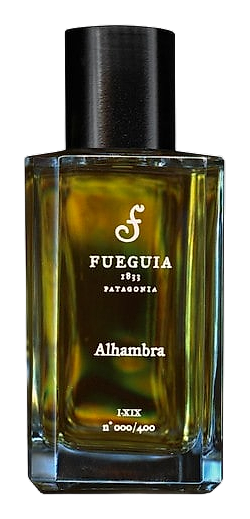
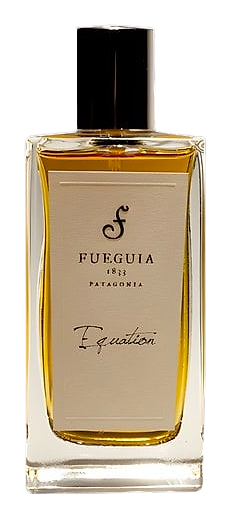
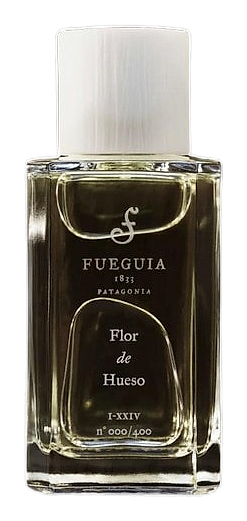
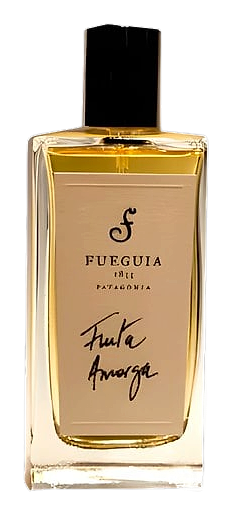
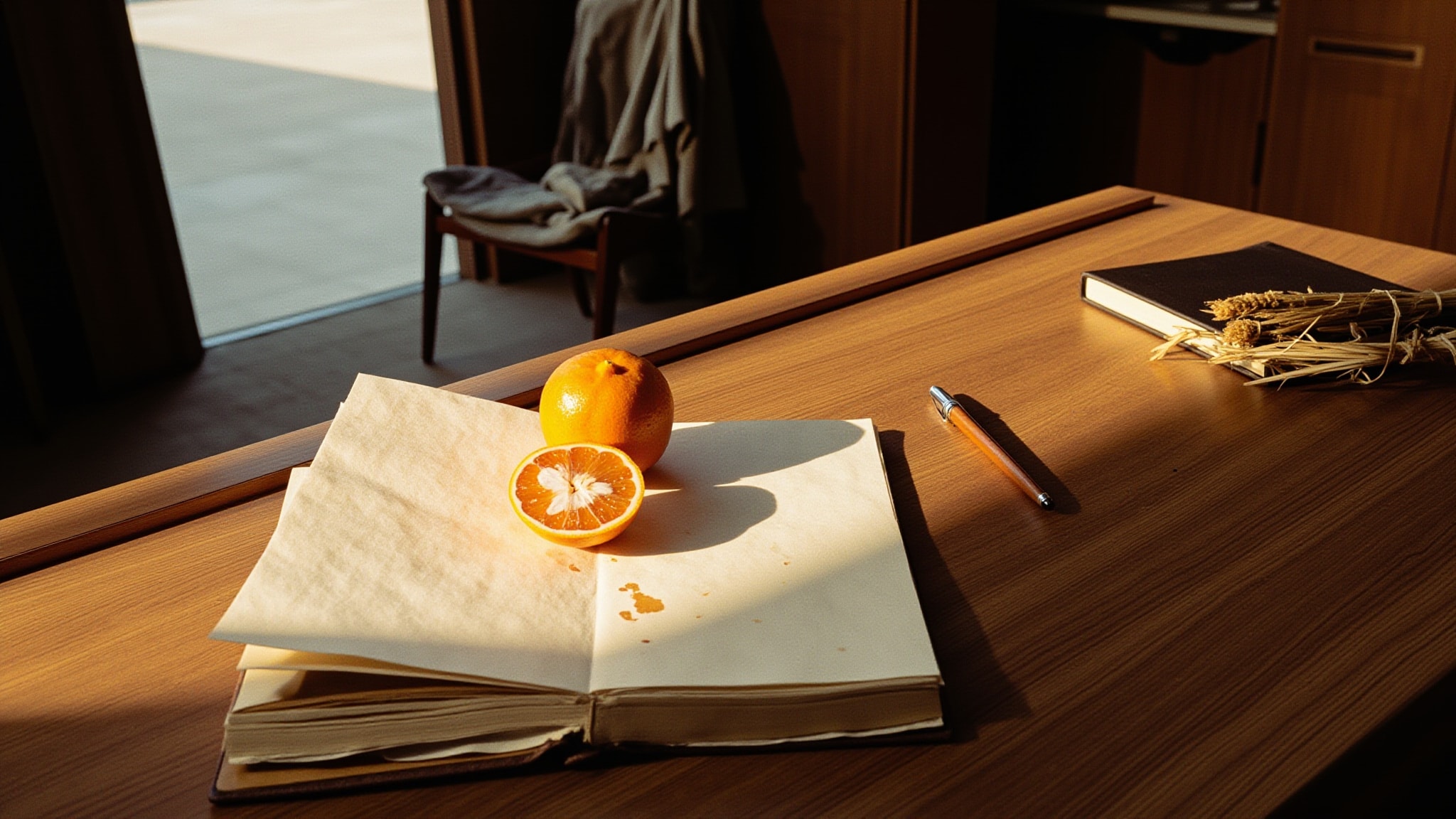
Fruta Amarga translates plainly: bitter fruit. It comes from Fueguia 1833, a house Julian Bedel built around singular accords and a particular way of listening. The conceit here is restraint, a small handful of ingredients doing serious work, and Bedel framing the scent as homage to poet Homero Manzi. Manzi wrote tango lyrics with the ache of a Buenos Aires night, notebooks open, rooms paneled in warm wood. Bedel didn't try to capture tangos or Buenos Aires literally. He went after the mood of Manzi's pages: spare, a little sour around the edges, and built to outlast the moment you walk in. On skin, the mandarin opens with a sharp, almost bitter zest, the kind that puckers rather than sparkles. There's no candied sweetness here, no sugared peel.
What makes Fruta Amarga worth stopping for is its refusal to behave like a citrus. Mandarin orange at the top would normally promise something bright, almost cheerful. Here it's flanked by vetiver at the heart and papyrus at the base, two materials that drag everything downward, into the soil. The composition leans woody and earthy before the fruit has finished introducing itself, and that tension between brightness and weight is the entire game.
The evolution
The opening lasts longer than most openings have any right to. Mandarin arrives not sweet but sharp, with that particular bitter edge the best mandarins carry when they haven't been bred for sugar. There's something almost peel-like about it, slightly herbal, not yet fruit. Then comes the handoff, and it happens fast. Within fifteen minutes the vetiver at the heart takes over, and the citrus recedes into something almost green, almost cold. The papyrus underneath starts writing its own paragraph, dry and woody, a little mineral, the way old paper smells when you open a book nobody has touched in years. The drydown is where Fruta Amarga becomes itself. Hours in, the mandarin is a memory. What remains is papyrus and vetiver, dusty and close to the skin, a scent that feels less like perfume and more like the aftermath of something, a room after the conversation ends, the page after the pen lifts.
Cultural impact
Fruta Amarga sits in a narrow lane, citrus fragrances that refuse to perform like citrus. Within Fueguia 1833's own catalog it reads as one of the more austere compositions, closer to a sketch than a painting. Wearers tend to be people who already know what they want from fragrance and don't want to be charmed. It is not a fragrance that trends or announces itself. It rewards patience and the kind of nose that's already tired of sweetness.