The Story
Why it exists.
The beginning
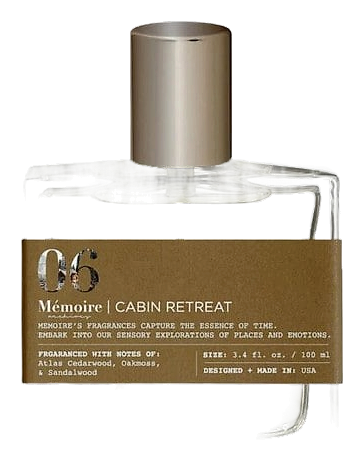
Cabin Retreat translates the idea of retreat into scent, a numbered moment in the Mémoire Archives catalog, one that asks what it feels like to step away from everything and find that the woods don't need you to perform. Cedar opens. Oakmoss settles. Sandalwood warms. The pyramid is minimal by design, three materials doing what dozens often try to do.
The three-note structure is the point, not a limitation. Each material is given room to exist fully before the next arrives. Cedar arrives sharp and honest, then yields to oakmoss's green stillness, then sandalwood softens everything into warmth. No filler, no distraction. If a fragrance can make three materials feel complete, it means each one had to earn its place.
The evolution
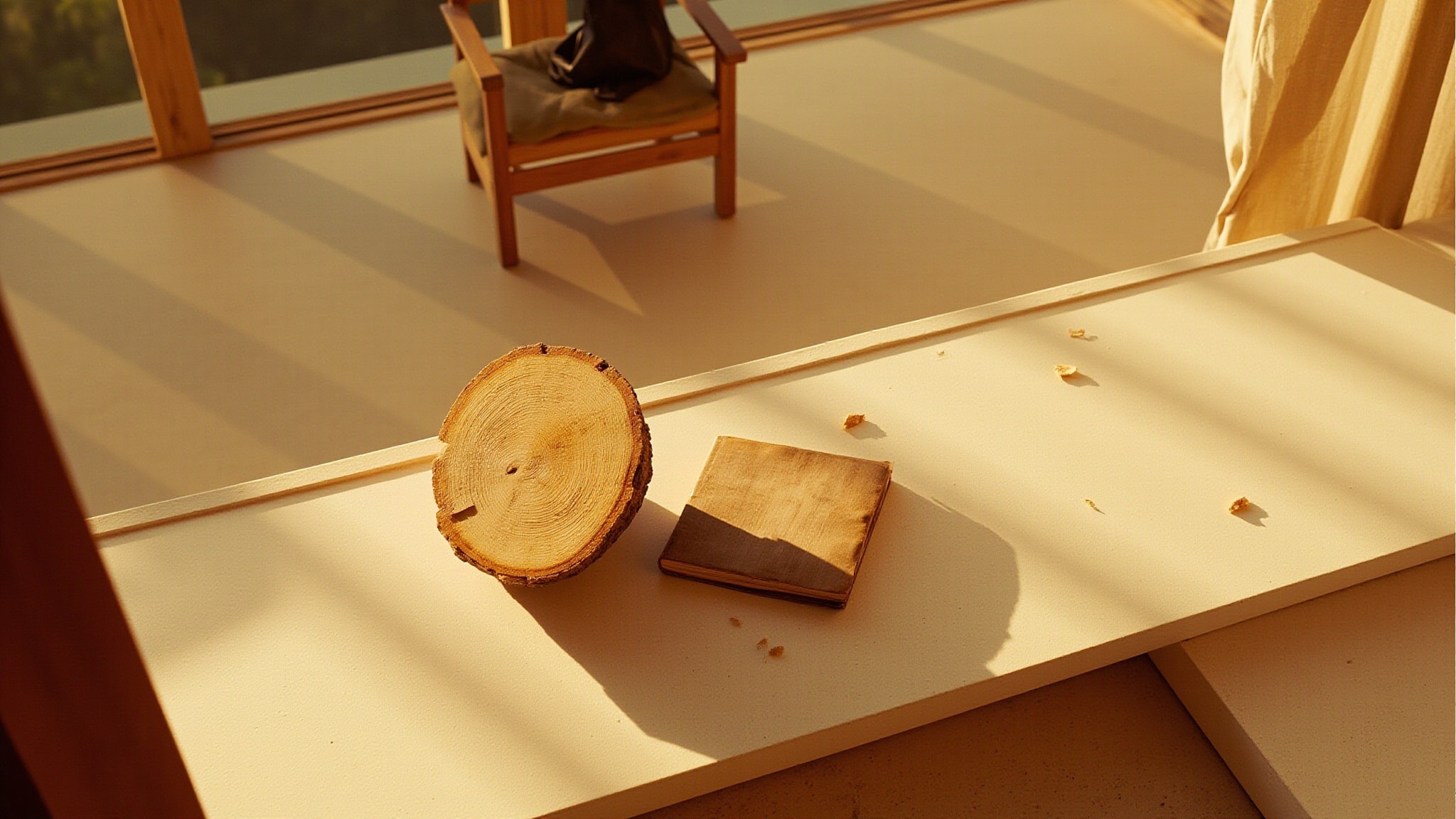
Cedar hits first, clean, dry, almost pencil-shaving sharp. Within minutes the oakmoss creeps in, green and slightly powdery, and the cedar softens around it. They hold together for the middle hours, a quiet forest stillness. The sandalwood doesn't arrive so much as settle, creamy warmth spreading slowly through the composition. By hour six, it's skin-close and soft, the kind of presence that almost disappears. On unwashed fabric the next morning: faint cedar, warm sandalwood, still there.
Cultural impact
Cabin Retreat sits in the lineage of woody fragrances that prioritize atmosphere over assertion, the scent equivalent of a quiet evening indoors when the alternatives are noise and performance. Wearers describe it as the fragrance of someone who doesn't need to announce themselves. Comparisons to Le Labo Santal 33 are inevitable given the shared sandalwood-cedar core, though Cabin Retreat reads as more austere, less creamy. It's not trying to seduce. It's trying to belong.