The Story
Why it exists.
The beginning
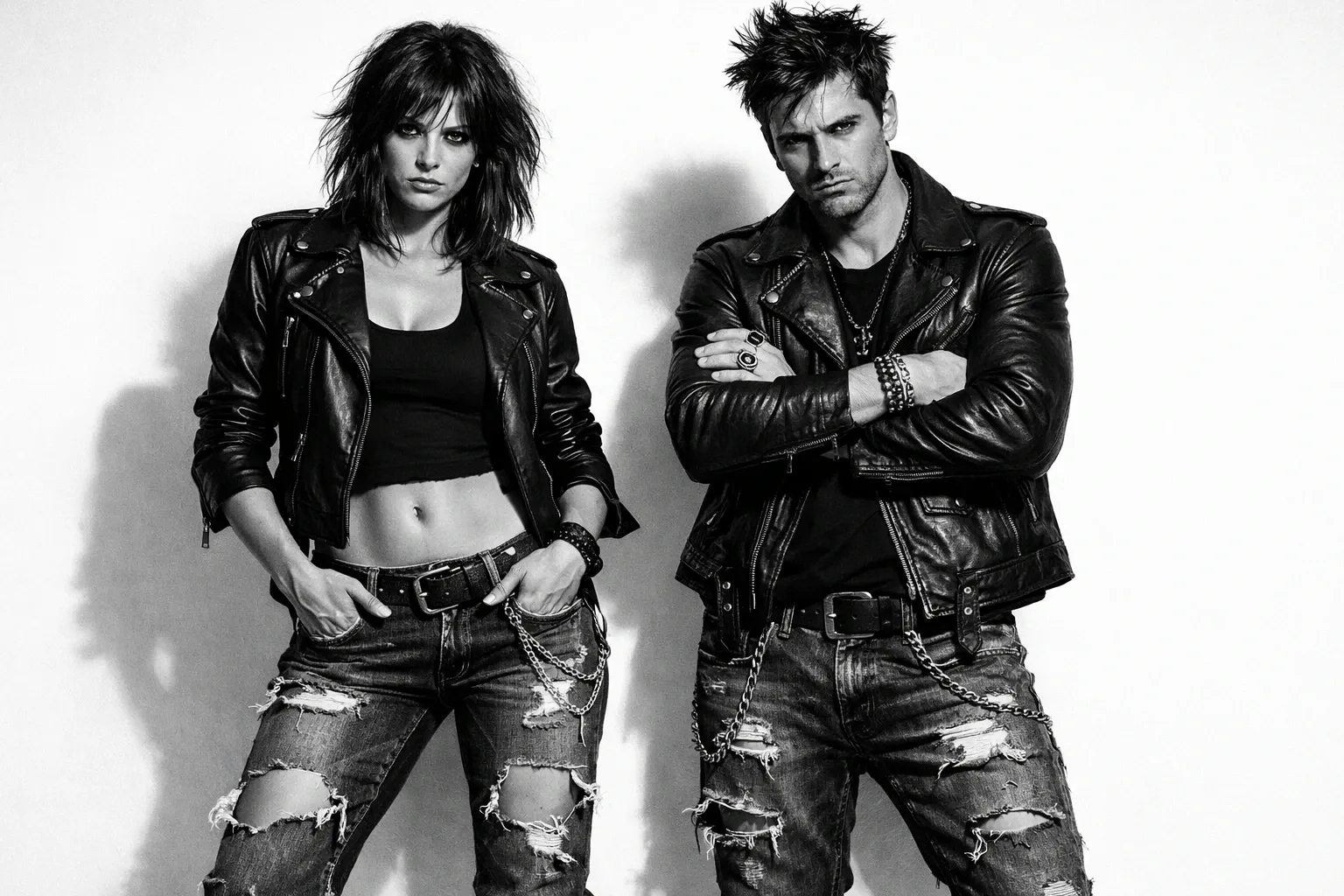
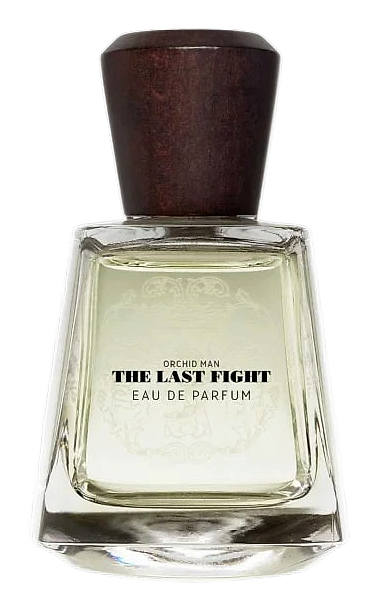
The name says it. The Last Fight isn't about the bout. It's about the man after, still standing, still composed, with something burning under the polish. Frapin called on Jérôme Epinette to build that portrait, a composition that trades any expectation of simplicity for something more layered and quietly assured. The composition leans into contradiction: tropical fruit where you'd expect austerity, smoke where you'd expect cleanliness. It smells like the last cigarette before walking back into the room. There's an ease to it, a kind of composure that doesn't ask for attention so much as assume it. The saffron gives it warmth, the leather gives it weight, and the fruit keeps it from ever feeling like it's trying too hard.
The saffron does heavy lifting here. It's not the metallic, almost-bitter saffron of high-Middle Eastern compositions, but a warmer, more golden version, the kind that carries depth without sharpness. Layered with passion fruit and raspberry, it creates a sweet-spicy opening that feels distinctly modern rather than retro. The black leather base doesn't announce itself with aggression either. It's a quieter, closer expression of leather, the kind that feels worn rather than displayed. Papyrus adds an almost paper-dry, faintly smoky edge that keeps the sugar from tipping into dessert territory.
The evolution
The opening is the loudest it gets. Passion fruit and bergamot hit bright and tropical, undercut immediately by saffron that pulls the whole thing toward something drier and spicier. The fruit and citrus eventually step back, and davana arrives with its wine-like, slightly herbal warmth, sitting right next to raspberry's jammy sweetness. Labdanum thickens the mid-section, adding an amber-like resinousness that smooths the edges. The transition into the base comes gradually, without a sharp break between phases. That's when the black leather takes over, smoky and close, with papyrus lending a dry, almost papery texture beneath. Patchouli grounds it without going earthy. Sugar weaves through everything, keeping the drydown warm and slightly sweet rather than austere. The final hours belong to leather and sugar, close and intimate, with just enough smoke to remind you what's underneath.
Cultural impact
The Last Fight occupies an interesting space: it's smoky and leathery in ways that draw interest, but the tropical fruit opening and sugary drydown give it a broader appeal. Wearers tend to describe it as a scent that gets better the longer it sits, the fruit fading into something more composed and smoky. It sits at a crossroads between modern perfumery and more traditional French composition, and that tension between heritage craft and contemporary execution is what makes it worth trying. The mood it creates is confident without being loud, present without being demanding.