
The Story
Why it exists.
The beginning
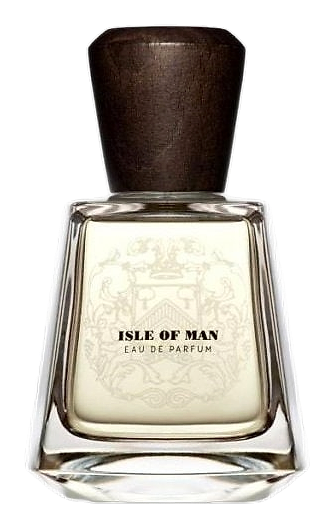
Isle of Man takes its name from the island in the Irish Sea, rugged coastlines, exposed cliffs, salt-wind and wild grass. Frapin tasked Aliénor Massenet with translating that specific geography into scent. Not a beach vacation. Not tropical. Something wilder and less forgiving. The brief was the island itself: its mineral air, its green interior, the way the coast smells after the wind dies down.
Ironwood is the structural oddity here, a dense, fragrant wood from tropical regions that doesn't often appear in masculine perfumery. Where most men's fragrances reach for cedar or sandalwood, ironwood brings an unusual weight and aromatic resin that reads differently on skin. Paired with Haitian vetiver, smoky, earthy, grounding, the base becomes a study in mineral depth rather than warm woods. The salt accord bridging heart and drydown functions as an architectural element, not a marine gimmick. And the violet-freesia heart, while present, stays subordinate to the woody-green surrounding structure. These florals don't soften the fragrance. They complicate it.
The evolution
The opening arrives bright, grapefruit and bitter orange arriving together, energetic and sharp. Basil adds a green, slightly medicinal lift that keeps the citrus from feeling like cleaning product. This opening lasts about thirty minutes before the composition shifts. Salt takes over the heart. Not oceanic, not aquatic. Mineral salt, the smell of air near rocky coast rather than beach. Violet and freesia arrive as quiet florals, powdery and restrained. The ironwood begins to show through, lending a woody density to what could have remained a thin, airy composition. The drydown settles into vetiver and ironwood. Musk keeps it close, intimate, skin-warm. The salt never fully disappears, lingering at the edges like sea spray on a cliff face. What remains after eight hours is a quiet mineral-wood combination that stays close and personal.
Cultural impact
Isle of Man occupies a specific niche in men's fragrance: mineral and aromatic rather than aquatic or leathery. Where most masculine fragrances reach for conventional strength, tobacco, leather, heavy woods, this one draws from a coastal vocabulary that reads as fresh, modern, and slightly unexpected. The salt-forward approach places it among a small group of fragrances that use mineral notes structurally rather than as decoration.